Online Reporter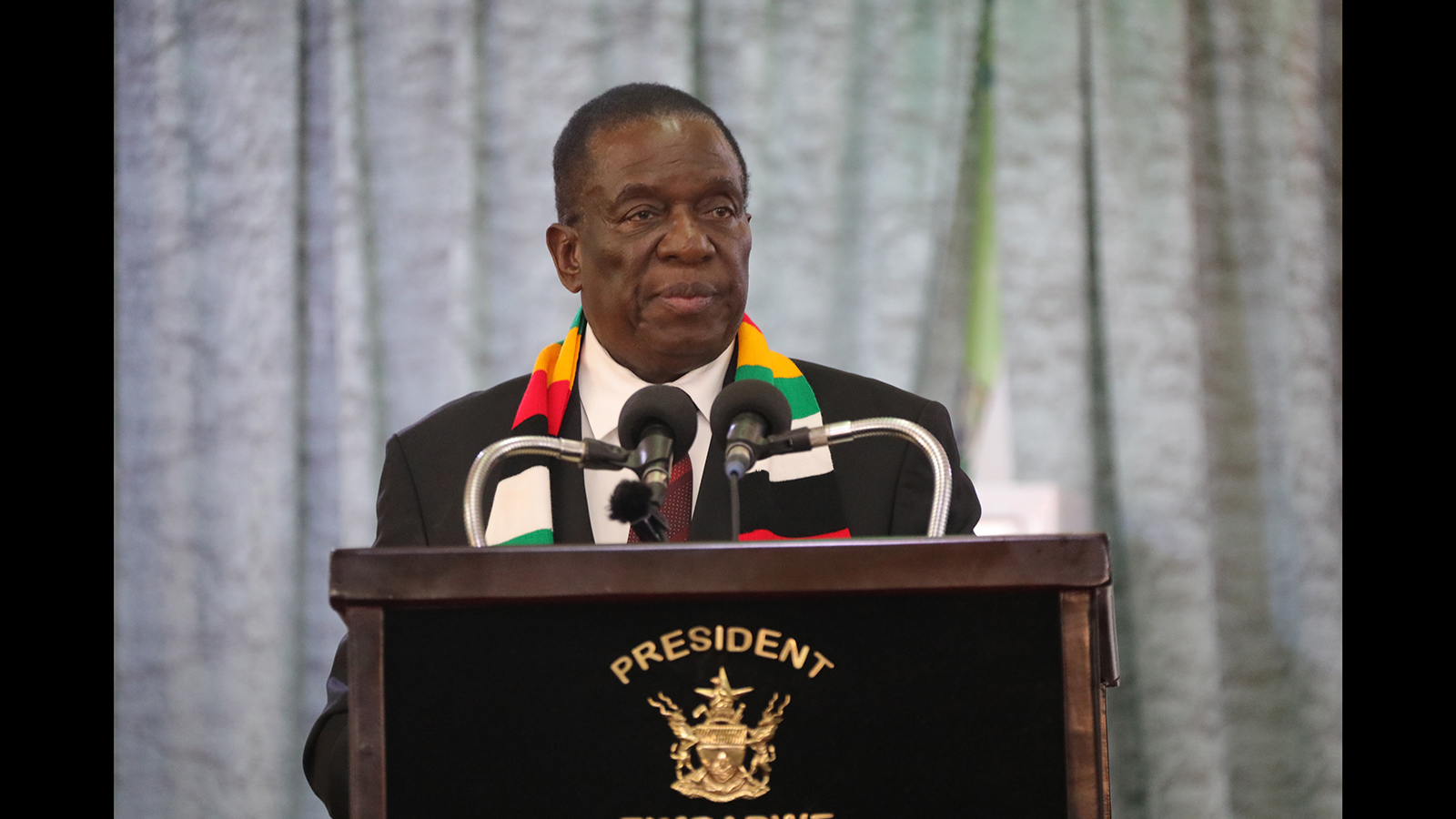
DRAMATIC reductions in poverty in Zimbabwe have largely been driven by Government policies that ensure those at the very bottom of the economy in society, and they formed 62 percent of the population in 1995, can move to at least the first rung.
Most poverty reduction programmes in Zimbabwe are built around this partnership, that the State can help create opportunities but that the hard work must be done by the people.
The idea of free transfers of wealth has never caught on in Zimbabwe, because there is not much wealth to transfer.
In any case, Government reckons, it is better to help families and communities mobilise and to make their own choices over how they can advance, rather than spoon feeding them. This means that the gains remain regardless of the external events because they are now part of the lives of those moving forward.
The figure of 38,3 percent of the population still regarded as being in abject poverty in 2019 must have been significantly reduced during the Second Republic after the major efforts with programmes such as Pfumvudza/Intwasa designed to push families up the economic ladder, as well as sort out deficiencies in family, community and national food supplies.
Zimbabwe in general, and the Second Republic in particular, has been keen to see gains and development benefiting all, not just elites, and that we all move forward together, with no one left behind.
This is the only way to permanently push back poverty, by bringing us all forward together so that we create the sort of environment where we can produce and do business with each other, regardless of the outside world and global problems.
The definition of poverty will often have to change as successes come through and are spread. At one time we would define the very poor as people who might not have enough to eat. As we sort that out, we probably have to start defining the poor who need assistance as those without much, rather than those with nothing, so that we have useful guidelines for opening new doors.
Poverty reduction does go, as President Mnangagwa told the World Summit for Social Development this week, beyond just opportunities for economic advancement. Part of those opportunities require a decent education system with everyone having access, so that they acquire the basic kills and tools. This starts with literacy, so that they can access knowledge easily and can be taught through their lives how to do better.
One major programme in Zimbabwe is the BEAM programme that supports 1,5 children a year with school fees and some other expenses. Recent exposure of some sloppy administration will not end the scheme, rather, as we have seen in other programmes, reforms that keep the parts that work while changing the bits that do not.
What is important is making sure that all programmes are effectively monitored and checked out regularly, so that remedial action can be taken early before there is much damage and those cheating can be dealt with.
This approach worked extremely well for the distribution of farming inputs, with physical checks that farmers existed, had land and were making the correct preparations.
Even then, while problems have yet to be seen, the Government is looking at using modern databases and the like to make sure that cheating simply cannot occur in the future.
It seems obvious that more social programmes, such as BEAM, would benefit from similar technology use to ensure that proper transparent rules are in place and are being followed.
Such an approach last year was highly successful when severe drought meant that a lot of people needed basic food supplies. The Government laid down standards and rules that calculated how much each person and household would get in grain or, in urban areas, cash and then used cheap but highly effective technology to keep track of each beneficiary and payment.
Poverty reduction can be speeded up with the measures needed to fight and control climate change and other modern problems. This does require more and better access to finance, and President Mnangagwa noted the need for promises already made to be delivered. But with the right programmes, each addition in available finance can see that benefit multiplied by involving those who need the support the most.
Zimbabwe has shown that, despite some harsh financial sanctions, it can make significant and rapid progress in eradicating poverty using its own resources and treating people as partners in their own development. Already plans being made against the day the sanctions are finally dropped in full retain these gains learned the hard way and would use increased access to development funds to accelerate progress, rather than for them to be the basis of any progress.
This is how everyone can move forward, being given opportunities that they then have to take up and run with to create the progress.
This also ensures that the development is owned by the people it benefits, and that makes huge differences when it comes to making sure that first the right development is done and secondly that infrastructure and the like is looked after and properly maintained.
That sort of approach also ensures that as people move out of poverty they retain the responsibility to continue to move forward.