admin
admin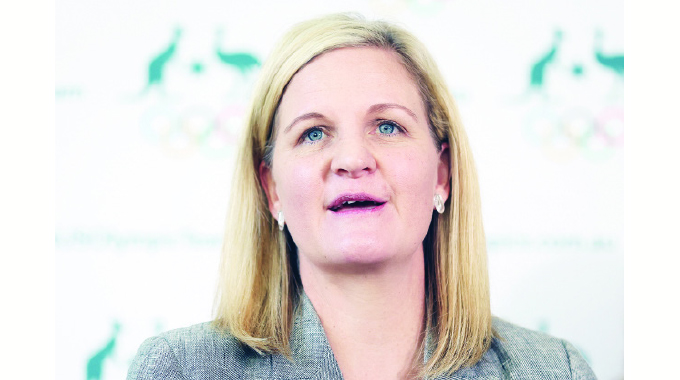
The great news this week is that Zimbabwe is back in international, continental and regional soccer as Fifa lifts suspension of the country and endorses the new four-member transitional normalisation committee that will run Zifa for a year while soccer is restructured.
It has been a hard 16 months since the then Zifa executive was suspended and the automatic Fifa ban on Zimbabwean international football came into effect.
As Minister of Youth, Sport, Arts and Recreation Kirsty Coventry noted at the ceremony where the new committee was unveiled, she has been exceptionally unpopular, as has Sports and Recreation Commission chairman Gerald Mlotshwa.
But they stuck to their guns, that the continuing sliding from crisis to crisis, mismanagement and probable corruption at Zifa could no longer be tolerated. Sometimes Governments have to make unpopular decisions because they cannot simply allow a national organisation to continue making Zimbabwe a laughing stock, continue wasting and siphoning money, and continuing to ignore its proper functions while its leadership look after themselves.
It obviously took longer than expected for Fifa, which has in the past seen its own boss taken away in handcuffs, understand the true seriousness of the situation at Zifa. Fairly obviously, the continuous contact maintained with Fifa has paid off, and new transitional committee has been accepted as acceptable to lead football in Zimbabwe.
Fifa, besides offering technical support to the committee and working with it, while it reforms soccer administration in Zimbabwe, is also opening the tap for financial support, Zimbabwe’s share of the international Fifa revenues, mainly from the television rights to international tournaments.
But whatever information has been passed to Fifa and conclusions that organisation has drawn, the financial and accounting muddle at the old Zifa obviously struck home.
Fifa will be paying out Zifa’s financial support in monthly instalments, and even then it will want to see the budgets, the monthly accounts and the bank statements before the next transfer is made.
This is unusual, but we understand Fifa’s insistence on continual financial monitoring since the total lack of financial discipline was a hallmark of the old Zifa executive and one of the main reasons for the action taken by the Minister and the SRC.
In fact, once Fifa was convinced of the sort of mess Zifa was in, much of the battle over the Government action was won, and the subsequent negotiations must have simply dwelt on re-establishing the independence of Zifa but with a competent and honest executive.
Neither the Government nor the SRC want to run soccer. They agreed that soccer people should run soccer. But they also wanted legality, integrity, honesty and competence.
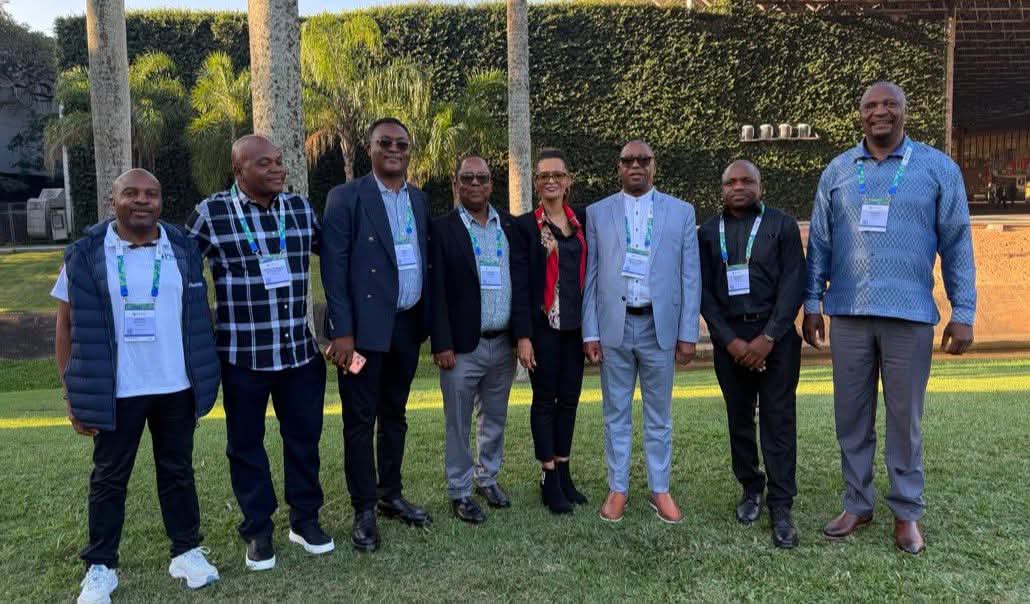
The new committee went through a selection process before being invited, a very careful one according to the new chairman, Lincoln Mutasa.
He himself was a successful Dynamos player and later on Dynamos chairman, and has built a solid business reputation. His three fellow members have similar backgrounds, successful people, although not flashy types, and are known for their integrity. This is a good start.
The fact that the committee is even split between men and women is a major advance. Women’s soccer not only needs to be taken very seriously, as seriously as men’s soccer, but the disturbing reports and complaints of sexual harassment need to be investigated and sorted out, and systems put in place to prevent anything similar happening again. Fifa obviously agree and this is one of the areas where Fifa want input.
The next year will be crucial. Zifa needs to be rebuilt, and there is a solid base with the clubs and largely with the zones.
Many of these are run by people who simply love soccer, as do most players, and few even if their expenses are covered can earn a living from soccer administration, especially below the top levels. Their voices need to be heard. A core problem at Zifa has been the rampant vote buying at election time and the propensity for rich men, and this is men not women, to seek the top post without necessarily putting in the sort of effort at Zifa that they used to build their own businesses.
Under the sort of ripped and leaky umbrella that these less-than-committed, or less-than-able, top officials have carried, a lot of others have tried to grab whatever is not nailed down to the bedrock.
Sometimes this involves squandering funds, regrettably legally, on perks and luxury allowances for meetings, sometimes just plain illegal corruption. Fifa have pumped a lot of money over the years into Zifa, and there is almost nothing to show for it. For example, where is the Zifa Village? And the continual emergency calls for funds whenever a team had to travel show that forward planning and budgeting is non-existent. The Fifa instance on monthly accounts now makes sense.
Here the new committee will have to sort out Zifa administration systems, and that includes financial systems. There are enough strong soccer lovers within the accounting community who can help the committee design and implement new financial systems and ensure solid accounting. Fifa’s instance on monthly accounts will help accelerate that process.
For a start Zifa needs to move to ensuring that every cent moving in or out of the organisation goes through a bank, so there is a back-up set of records that an auditor can easily use when checking accounts. And simpler auditing will cut audit fees.
The new committee, we hope, is starting with a fresh page for Zifa accounts under its new mandate, so there is no contamination from the old accounts, which in any case will be subject to a forensic audit.
A lot of work needs to be done on the Zifa constitution. It is all very well to seek out competent and honest people to run the organisation but things can still go wrong.
For a start the vote-buying scandals have to end. This means a total and absolute ban on any payments from candidates, or if they are officers seeking re-election, of them authorising payments. Expenses for meetings need to come from a well accounted-for fund with strict rules of what is covered and for how much, so everything is automatic. Zimbabwe Cricket can provide some useful pointers. Cricket has had severe problems in the past, but ZC has a couple of aces.
For a start the administration is first class with accounts that shine in the dark. So no matter how bad some disputes get, the International Cricket Council keeps the funds flowing, and ZC relies heavily on its share of international cricket’s television income.
Secondly Zimbabwe Cricket has a capacity for self-correction. Right now the executive is headed by a competent person who is obviously moderately comfortable, but who cannot be described as rich or even well-off. He got the post because he was good, had integrity and loved his cricket, pretty much the sort of person who now forms the Zifa transitional committee.
The head of Zifa and the top officers need to be rather special people, people who are committed, will put in the time needed, have integrity, and have competency.
Zifa has a year to rebuild itself. As Mutasa pointed out, neither he nor the committee can do the job themselves. They need backing from the whole soccer community and in a sense from all soccer lovers.
A lot of work needs to be done, a lot of innovation put in place and a lot of decisions taken. With good will on all sides the new committee can oversee this process and produce something a lot better that the soccer fraternity in Zimbabwe can be proud of, and can ensure that they contributed to its creation.


 Online Reporter