Online Reporter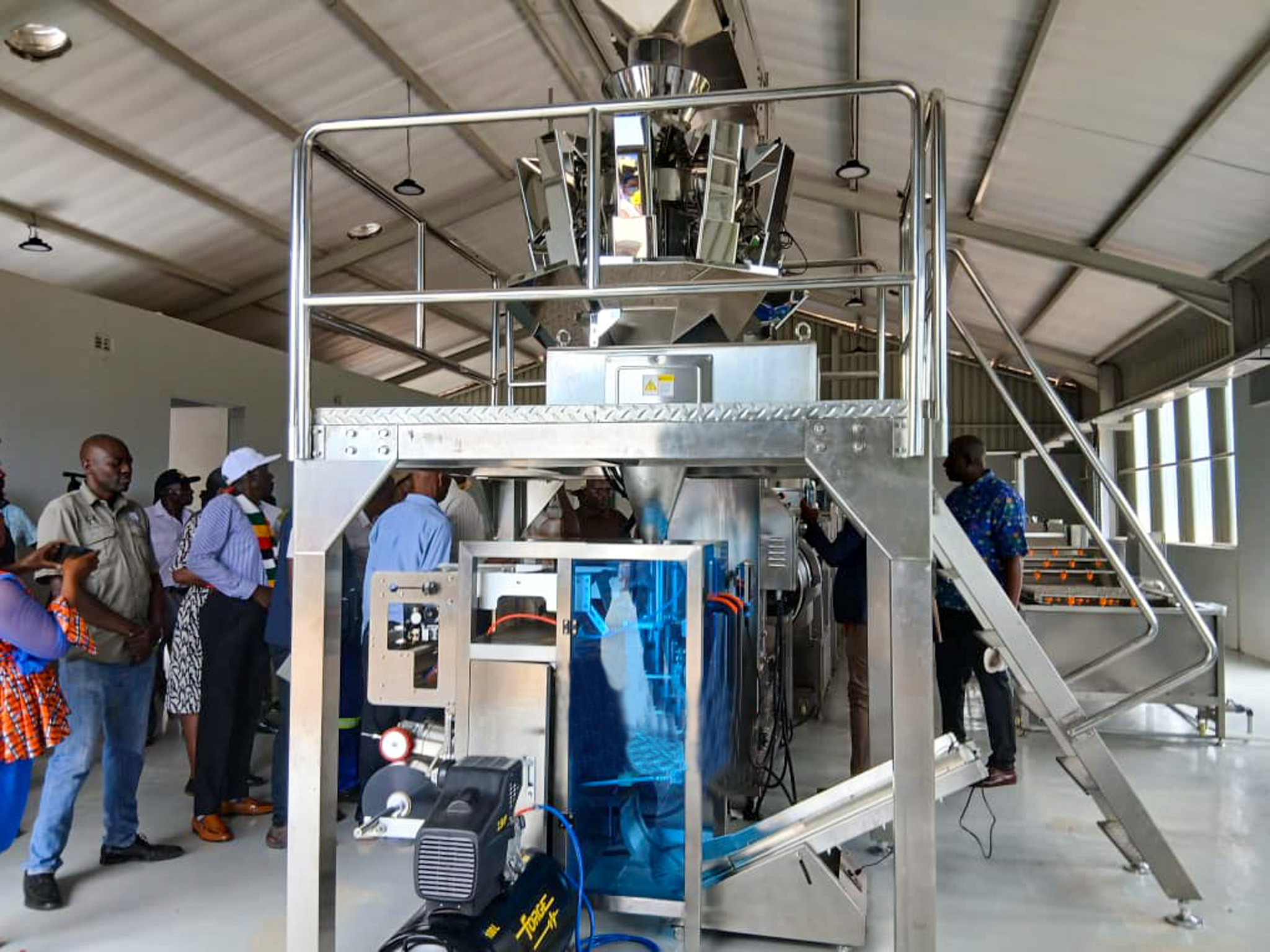
SUPPORTING rural industrialisation projects like the Hauna Banana and Vegetable Processing Plant is, not just a development imperative—it is a transformative strategy for inclusive economic growth and community empowerment.
The completion of the Hauna Fruit and Vegetable Processing Plant in Honde Valley marks a pivotal moment in Zimbabwe’s rural development narrative.
This initiative exemplifies how targeted investment in agro-processing can unlock the latent potential of rural economies.
For decades, communities like those in Mutasa and Nyanga have grappled with the twin challenges of post-harvest losses and volatile market access. Farmers often found themselves at the mercy of middlemen, receiving meagre returns for their hard-earned produce.
The Hauna Plant directly addresses these issues by introducing value addition at the source, turning perishable bananas into durable banana chips and other processed goods that fetch higher prices and have longer shelf lives.
Beyond economic efficiency, the plant is a catalyst for social transformation. It is expected to directly benefit over 600 farmers, and indirectly support more than 2 000 individuals in the surrounding areas. This means more stable incomes, reduced rural poverty, and improved food security.
The facility also creates employment opportunities, not just in processing, but across the value chain, from logistics and packaging to marketing and retail. Young people, often forced to migrate to urban centres in search of work, now have a reason to stay and build livelihoods within their communities.
Rural industrialisation also fosters resilience. By decentralising economic activity, it reduces the over-reliance on urban hubs and insulates rural populations from national economic shocks.
The Hauna Plant, aligned with Zimbabwe’s Vision 2030 and National Development Strategy (NDS1), is a model of how localised industrial capacity can be scaled to meet national development goals.
It demonstrates that rural areas are, not just sites of subsistence agriculture, but can be engines of innovation and productivity when given the right infrastructure and policy support.
Innovation in rural settings often goes unnoticed, yet the Hauna Plant exemplifies how technology and entrepreneurship can thrive outside urban centres. The facility incorporates contemporary agro-processing techniques and adheres to quality standards that make its products competitive beyond local markets.
It has also sparked a ripple effect of innovation among farmers, who now adopt better cultivation practices to meet the plant’s supply requirements. This symbiotic relationship between industrial infrastructure and agricultural improvement underscores the potential for rural areas to evolve into hubs of innovation when given the right tools.
The social impact of the Hauna Plant is equally profound. It has created employment opportunities, especially for youths and women, who are often marginalised in rural economies. By anchoring economic activity within the community, it reduces rural-urban migration and strengthens local resilience. Families now have access to more stable incomes, which translates into better education, healthcare, and overall quality of life. In essence, the Hauna Banana and Vegetable Processing Plant is more than an industrial facility—it is a blueprint for rural transformation. It demonstrates that with targeted infrastructure and supportive policies, rural areas can transcend subsistence agriculture and emerge as engines of innovation, productivity, and sustainable development. This model deserves replication across Zimbabwe and beyond, as it holds the key to unlocking the full potential of rural communities.
Furthermore, such projects promote environmental sustainability. Local processing reduces the carbon footprint associated with long-distance transportation of raw produce.
It also encourages better agricultural practices, as farmers become more invested in quality and consistency to meet processing standards.
It calls for continued support, replication, and scaling of similar initiatives across the country. The future of Zimbabwe’s development lies, not only in its cities, but in the revitalisation of its rural heartlands.