admin
admin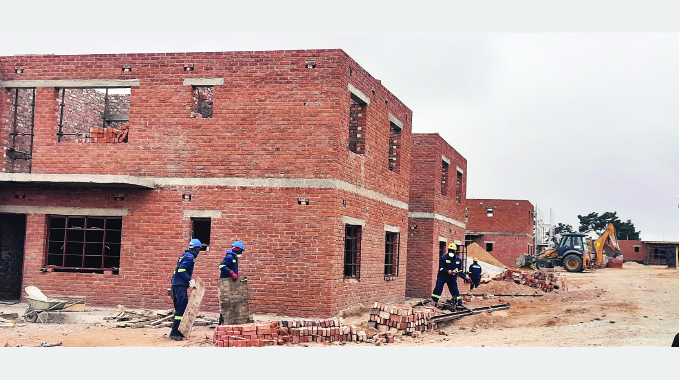
HOUSING, and its associated services, is a critical need in the development of Zimbabwe and in urban areas, and in particular in Harare metropolitan, the present infrastructure is totally inadequate. The urban councils and some rural district councils surrounding Harare are not managing the problem adequately, and we are faced with outdated planning and building regulations.
The Ministry of National Housing and Social Amenities, which has been pushing housing with some successes, recognises the whole range of problems that need a concerted effort by central Government, local authorities and the private sector, which includes the banking sector, to sort out.
While rural housing needs to be improved, this is being done differently and with far fewer problems. As farming households make more money from farming, they build better houses, and that continual improvement has been noted in the national censuses, with the majority of rural people now having at least some modern sections in their homesteads.
This sort of natural upgrading will continue as the agricultural development continues and the rural homestead with pumped piped water from a borehole or well and solar panels on the roof will cease to be rare or unusual. The spread out nature of farming also means that much of the shared urban infrastructure is simply not needed.
So the main problem is the urban areas, from the small towns and market centres all the way to the largest cities and metropolitan provinces, where we are simply not coping.
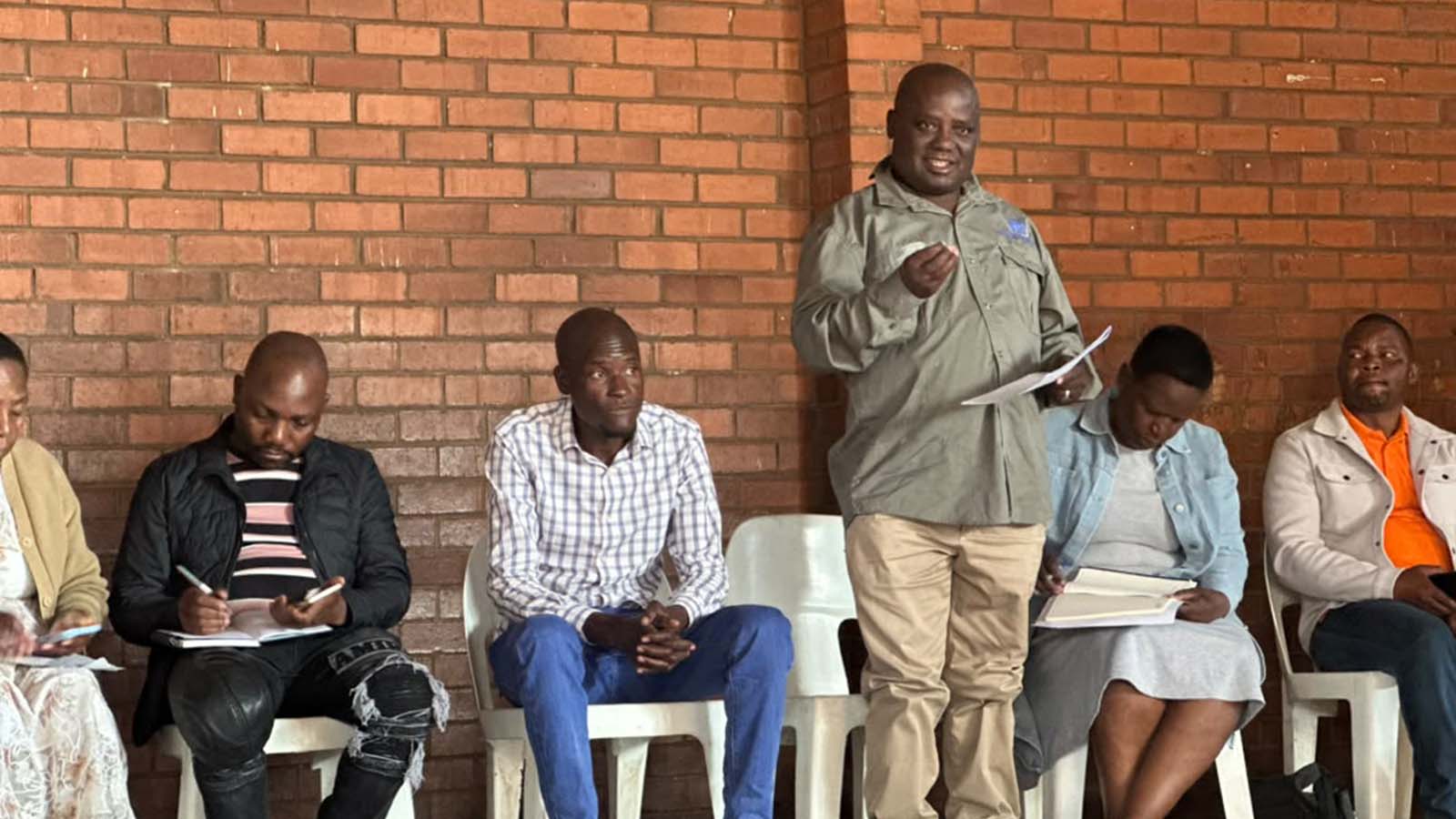
At a workshop called this week for all 92 local authorities and the private sector by the Ministry, Minister Zhemu Soda outlined the challenges, and more particularly showed that despite major efforts under the Second Republic, we need some radical new thinking. What we have inherited and what we have been doing for so many decades are simply not the solution for what we need to do now.
Minister Soda noted the rapid urbanisation in Zimbabwe, with a lot of people in rural areas who do not wish to farm moving into urban areas. This can be people moving to a new mining town, people moving into the growing rural industries and service centres, and people moving to the large towns and the cities.
The range of urban centres is why all 92 local authorities have been assembled, since rural district councils also need to think very hard about the new urban centres arising in their areas, which need to grow without the sort of problems older towns have, as well as the overflow from existing towns and cities spreading out, often illegally.
The housing problems have become a lot worse with the widespread corruption in many urban councils, as well as the corruption in neighbouring rural areas. The battle against this corruption over the last six years has revealed that it was a lot worse than originally thought. At the same time many urban authorities have exceptionally bad governance, councils simply not doing their job and being part of the problem, rather than the solution.
The solution is obviously building houses and flats, so that people have somewhere respectable to live. But this means there must be basic infrastructure, the road network, the sewers and sewage treatment works, the bulk water supplies, the garbage collection and disposal, and an electricity grid.
To this must be added imaginative planning, so these services are readily available at affordable costs where needed, and are properly installed and maintained. At the same time this growing urban population cannot be allowed to spread over the land that we need to grow the food they eat. So the old fashioned idea of every family on a detached house on a plot simply does not work anymore.
Even some of the inherited detached housing has plots that are so small that radical redevelopment is needed to create more spacious premises without chewing up more land.
The private sector, backed by Government, and the Government itself have been far more creative in the last few years. The upper-income and middle-income suburbs are seeing cluster housing and the Government has been building blocks of flats that in many respects are a major advance, everything from low-maintenance external finishes to ensuring that proper three-bedroomed houses are stacked up.
RELATED STORIES
The land barons and their corrupt councils went in a different, and incorrect direction, having to add to the urban sprawl because they were not putting in services. We will have to live with this as we regularise, but there is no need to let it expand further. We need to make sure that new land allocated to urban areas is properly planned, and properly planned for an upper-middle income country, or even a developed country considering how long a house can last.
The workshop also raised the issue of how to streamline the indemnification of suitable land and then reassign it for the correct sort of urban development, with infrastructure and services.
At the same time the technology we have been entrenching for housing is neither modern nor the best. The Government itself, and some of the more imaginative private developers, have been using more innovation in materials and designs, cutting costs while increasing quality, and enough has been done now that a lot of technical and planning regulations inherited from the depths of the colonial era can be dramatically modified and rewritten.
At the same time we need to sort out the governance issues. The Government is applying pressure, as are some State agencies such as the Zimbabwe Anti-Corruption Commission, but we need to redouble efforts.
We also need to mobilise funds and savings. From the 1950s to the early years of the present century, building societies took the lead, and did some incredible work. Several pension funds moved into housing development for rent, an area that does need to be grown and properly managed, and some banks have schemes. But this needs to be upgraded, something that with a stable currency and low inflation should be possible.
When Zimbabweans think through the problems and seek innovative solutions we are sure we will succeed, but it needs everyone, not just the Housing Ministry, to do this.


 Online Reporter