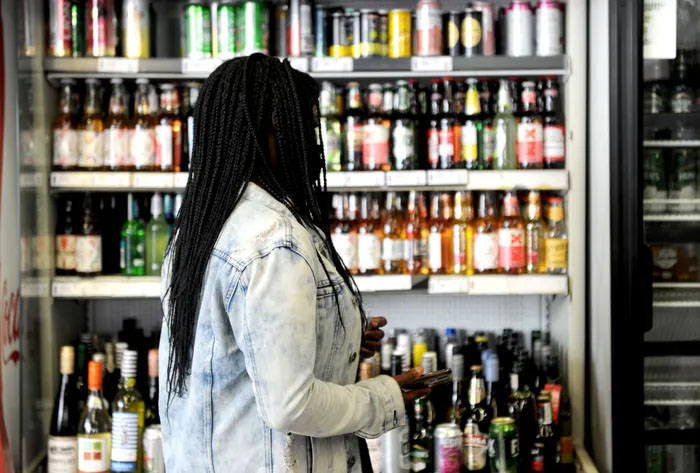
THE revelation that nearly half of Manicaland’s beer outlets are operating without licences is more than just a statistic — it is a wake-up call.
It underscores the urgent need to overhaul Zimbabwe’s Liquor Licencing Act, a piece of legislation that has remained largely untouched since 1976.
In its current form, the Act is outdated, misaligned with the Constitution, and ill-suited to the realities of modern business and social life.
Reviewing it is not simply a bureaucratic exercise; it is a matter of public order, economic fairness, and social responsibility.
Licencing is not a mere formality. It is the foundation of accountability in the liquor trade. When operators are properly licenced, they are subject to oversight, standards, and obligations that protect both consumers and communities.
A licenced outlet is expected to comply with health regulations, contribute to local revenue, and operate within the bounds of the law.
An unlicenced outlet, by contrast, exists in a grey zone where accountability is minimal, and the risks—ranging from unsafe products to unchecked social harm—are magnified.
The importance of licencing becomes even clearer when one considers the darker side of the liquor trade. Without proper regulation, some operators exploit the system to launder money or to disguise illicit activities such as drug peddling. These practices, not only undermine legitimate business, but also corrode the social fabric.
Communities suffer when alcohol outlets become fronts for criminal enterprises, and young people are particularly vulnerable to the destructive consequences of drug abuse.
Punishing those who acquire licences dishonestly—those who use them as shields for illegal activities—is therefore essential. A licence should be a badge of legitimacy, not a loophole for crime.
Reforming the Liquor Licencing Act is also about ease of doing business. The current system is cumbersome, expensive, and riddled with inefficiencies. Many operators avoid licencing, not because they wish to break the law, but because the process is prohibitive.
Excessive levies, outdated procedures, and bureaucratic red tape discourage compliance. By streamlining licencing procedures, reducing unnecessary costs, and modernising the framework, the Government can encourage more operators to come into the legal fold.
This will, not only increase compliance, but also expand the tax base, creating revenue that can be reinvested in public services.
At the same time, reform must balance accessibility with enforcement. Lowering levies and simplifying procedures should not mean lowering standards.
The revised Act must include robust mechanisms to detect and punish those who attempt to exploit the system for criminal gain. Stronger vetting processes, regular inspections, and harsher penalties for offenders will ensure that licences are not misused. In this way, reform can create a fairer environment where genuine operators thrive while bad actors are weeded out.
The broader significance of reviewing the Act lies in aligning Zimbabwe’s regulatory framework with modern governance principles.
The Constitution demands laws that reflect contemporary realities, uphold rights, and promote transparency.
A law crafted in 1976 cannot possibly address the complexities of today’s society, where issues such as youth drinking, drug abuse, and economic empowerment intersect with the liquor trade.
Updating the Act is therefore not just about business—it is about safeguarding communities, protecting public health, and ensuring that the liquor industry contributes positively to national development.
Ultimately, the liquor trade is a double-edged sword. On one side, it supports livelihoods, generates revenue, and provides recreation. On the other, it can fuel social problems if left unchecked.
The role of the Government, through the Liquor Licencing Board, is to sharpen the positive edge, while blunting the negative.
Reviewing the Liquor Licencing Act is a decisive step in that direction. It will create a system where operators are licenced fairly, consumers are protected, and communities are shielded from the scourge of illicit trade.
The message to operators is clear: licencing is not optional. It is a duty, a responsibility, and a safeguard.
Those who seek to bypass the system or to misuse licences for criminal purposes must face the full weight of the law.
Only then can the liquor industry in Zimbabwe be transformed into a sector that is, not only profitable, but also principled.
EDITORIAL COMMENT: Licencing reform key to ending drug fronts