admin
admin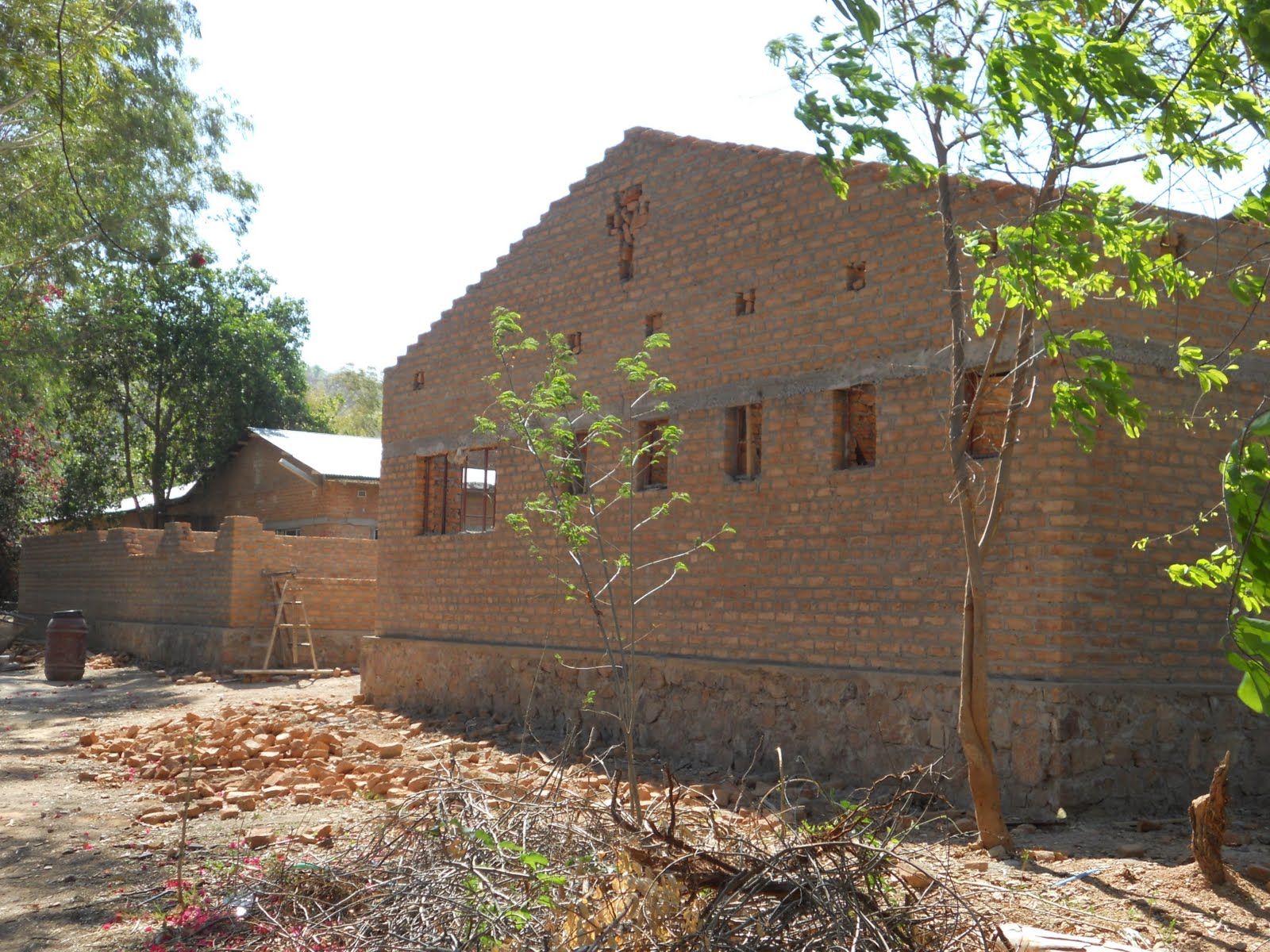
 Zimbabwe has since independence made great strides in ensuring that children have access to education. The government and local authorities have over the years built thousands of both primary and secondary schools. In both rural and urban areas, schools in most areas are within walking distance.
The new thrust had therefore shifted to improving the quality of education. Zimbabwe is as a result one of the few countries with a literacy rate of above 90 percent. In its bid to improve the quality of education, the government with the assistance of non-governmental organisations, had started investing in educational materials such as textbooks and other such materials.
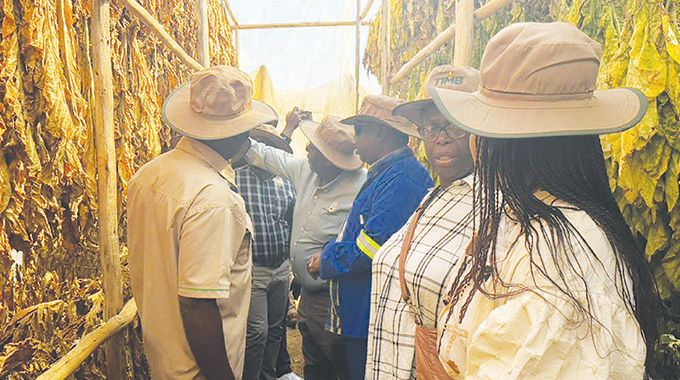
Most schools in urban areas now have qualified teachers as teachers’ colleges continue to churn out thousands of teachers every year. The new challenge facing government is, however, in resettlement areas where pupils are enrolled at satellite schools. The satellite schools are mainly old farm buildings which have been converted into classrooms such as farm houses or tobacco barns.
At most of these schools pupils attend classes under trees because the classrooms are not adequate. The environment at these schools is not conducive to learning and what has worsened the situation is that qualified teachers shun such schools because there is no accommodation. According to a story we carried at the weekend, government has condemned 1,400 satellite schools because the infrastructure at these schools is unsuitable for learning and has made an undertaking to construct proper structures.
The Ministry of Primary and Secondary Education said 833 primary schools and 587 secondary schools required proper infrastructure. The ministry said it was allocated $866 million in the 2014 budget which it said was inadequate to enable it to embark on the construction projects given the fact that 96 percent of the allocation will be gobbled by employment costs.
Government, as already stated, had made great strides in ensuring that children have access to education but it seems not much has been done to maintain this momentum in resettlement areas. More than 300,000 families have been allocated land in mostly prime farming areas which used to be a preserve of the whites and in these areas there were no schools. Government in a bid to address this anomaly has established satellite schools most of which have no infrastructure.
Pupils in these areas walk long distances to these satellite schools where they spend the greater part of the day learning under trees. The situation is very pathetic during the rainy season as pupils end up being crammed in the few buildings available. There is therefore need for government to come up with a special fund meant to fund the construction of schools in these resettlement areas. Government, it is a fact, has many competing priorities but it has an obligation to ensure that children in resettlement areas are not denied their right to education. What these children need is not just education but quality education.
The satellite schools should therefore be upgraded to proper schools with not only adequate classrooms but furniture and all the learning materials just like what obtains in schools in both urban and some rural areas. Parents in resettlement areas should join hands with the government in ensuring that their children have adequate classrooms.
The parents’ contribution could be in the form of bricks, pit and river sand as well as labour. The quality of education at satellite schools is compromised as the schools are failing to attract qualified teachers as a result of poor infrastructure and lack of accommodation for teachers.
It is therefore important for government working together with resettled farmers to build proper schools. The issue of proper schools in resettlement areas is urgent if the country is to maintain its high literacy rate. We want to once again appeal to government to, without delay, mobilise resources for the construction of proper schools in resettlement areas.



 Online Reporter