

 admin
admin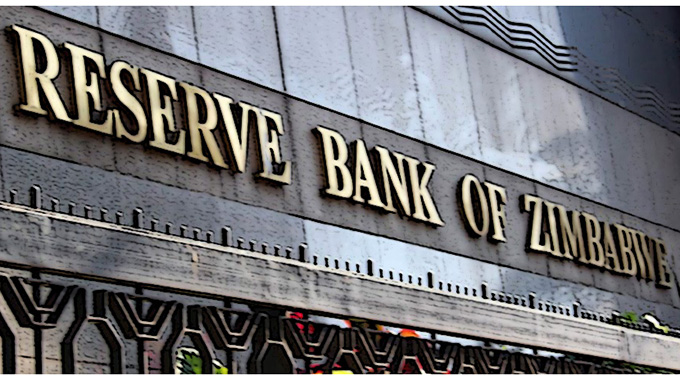
The need to regulate and monitor the motor industry and its associated trading has been seen for many years, and now the Financial Intelligence Unit of the Reserve Bank of Zimbabwe has added its weight to the calls for regulation.
The FIU is concerned about the vast amount of cash dealing in that industry, and what these unmonitored deals may hide, including money laundering.
There have also been concerns, highlighted recently by the 2 000 or so cheating deals over civil servants getting tax rebates on car imports, that not all taxes and fees are being paid. In fact this aspect is covered in the present police operation to “Tame the Traffic Jungle”.
Normally the FIU can efficiently monitor potential money laundering in real time through its access to bank accounts.
It is not bothered, unless a law is being broken, over what people buy and sell and what sources of income they may have. So it keeps very high levels of confidentiality.
Even when it finds suspicious activity the final decision is taken by the Reserve Bank or the Ministry of Finance, Economic Development and Investment Promotion, and that is where any “naming of names” is authorised.
The FIU provides the rock hard data to the decision makers and several of its functions these days are laid out in statutory instruments.
Zimbabwe has won a high status in the global banking community of not just zero tolerance to money laundering by criminal and terrorist elements, but for being able to implement its commitments effectively by not letting such laundering occur, and investigating every suspect transaction.
There are jurisdictions where everyone condemns, but nothing really effective is done. Zimbabwe is up there with the best.
But this status is in the banking sector. Zimbabwean banks now have enough safeguards that criminals and terrorists cannot launder money through bank accounts.
But this does not stop people carrying around fat wallets or briefcases of US dollars, which requires different techniques to stop money laundering. The motor trade, which is now a very large business sector as the continued creation of car sales and the other dealings show quite clearly, is in the opinion of many, and not just the FIU, very opaque over how vehicles are bought, sold and paid for.
There are concerns that a lot of vehicles have been sold without any formal change of ownership, which means no police check, no notification to Zimra, no taxes paid for the transfer and no change of ownership at the Central Vehicle Registry. The vehicle remains under the name of the last person who did register.
Again the cheating in the civil servants rebates illustrates the problem. The cheating civil servant provides the name and signs the bits of paper produced by the person putting up the money in return for exclusive use of the imported vehicle, but the vehicle is registered in the name of the civil servant, who signs the next bits of paper applying for the rebate. And there are at least 2 000 of these deals, which shows that the practice is not trivial.
The interesting point is that any criminal charges can only be brought under the tax code. It is not illegal to “sell” a car but retain legal ownership, or to keep the effective but not full change of ownership secret from the Central Vehicle Registry, as there are no rules there.
There are a reasonable number of honest business people in the motor trade who will, usually for a fee, ensure the deal is followed up with the authorities and the buyer becomes the registered owner and the seller is legally disconnected from the vehicle.
That is also likely to include going through Zimra to make sure that all the paperwork required by the tax authorities is done, which is one reason why sellers of vehicles need to ensure that the proper import duties were paid when the car first entered Zimbabwe if they want a trouble-free transfer when it is sold.
But there are a lot of private deals, and deals through some in the motor trade, where the objective is secrecy and opacity, and that can hide the money laundering, or potential money laundering.
The FIU has no desire to become a regulating authority, but thinks that the motor trade does need to be regulated and that those in business in the trade need to keep decent and accurate accounts so that if something suspicious does come to light it is possible to “follow the money” in the words of one police officer.
That means that an investigator can at least find out who paid whom what and why, even if the transactions are all in bundles of US dollar banknotes which were never banked by either seller or buyer.
Considering the size of the present motor industry the FIU, the police, Zimra and the CVR all have cause for concern.
Perhaps just one percent of dealers are seriously breaching all money laundering rules, that would still be a lot. And many would suspect that the percentage is considerably higher, and possibly becomes a majority.
A second problem is that a dealer might not be intentionally dishonest, but is highly unlikely to make the sort of checks a bank likes to make when someone they do not know turns up with large bundles of cash.
Banks have sifted their customers when the accounts were opened and so know who they are and in any case will make checks if they think something is a bit weird. Car dealers are not trained to do this, and are not obliged to even demand proof of identity or have the knowledge to spot a fake ID card.
As the FIU have noted, the same sort of problems does not occur in property sales, where buyers are really very keen to have title deeds so the Deeds Office is able to assemble the ownership history of any private land, knowing when it was bought and sold and by whom and to whom.
Some serious cash transactions take place in that market as well, but it is easy to follow the money. When property is bought and sold the transaction needs to be done through a lawyer, so another set of independent records exist and which will be almost certainly accurate, with the lawyer explaining what taxes need to be paid.
Now what is needed is to have similar records for the motor trade. This will not only ensure that there are proper records of who owns every vehicle, and its past ownership history, but also ensure that the correct taxes are paid.
It will even ensure that the police can track stolen cars and cars that have been involved in an accident, making that sort of crime easier to detect.



 Online Reporter