Online Reporter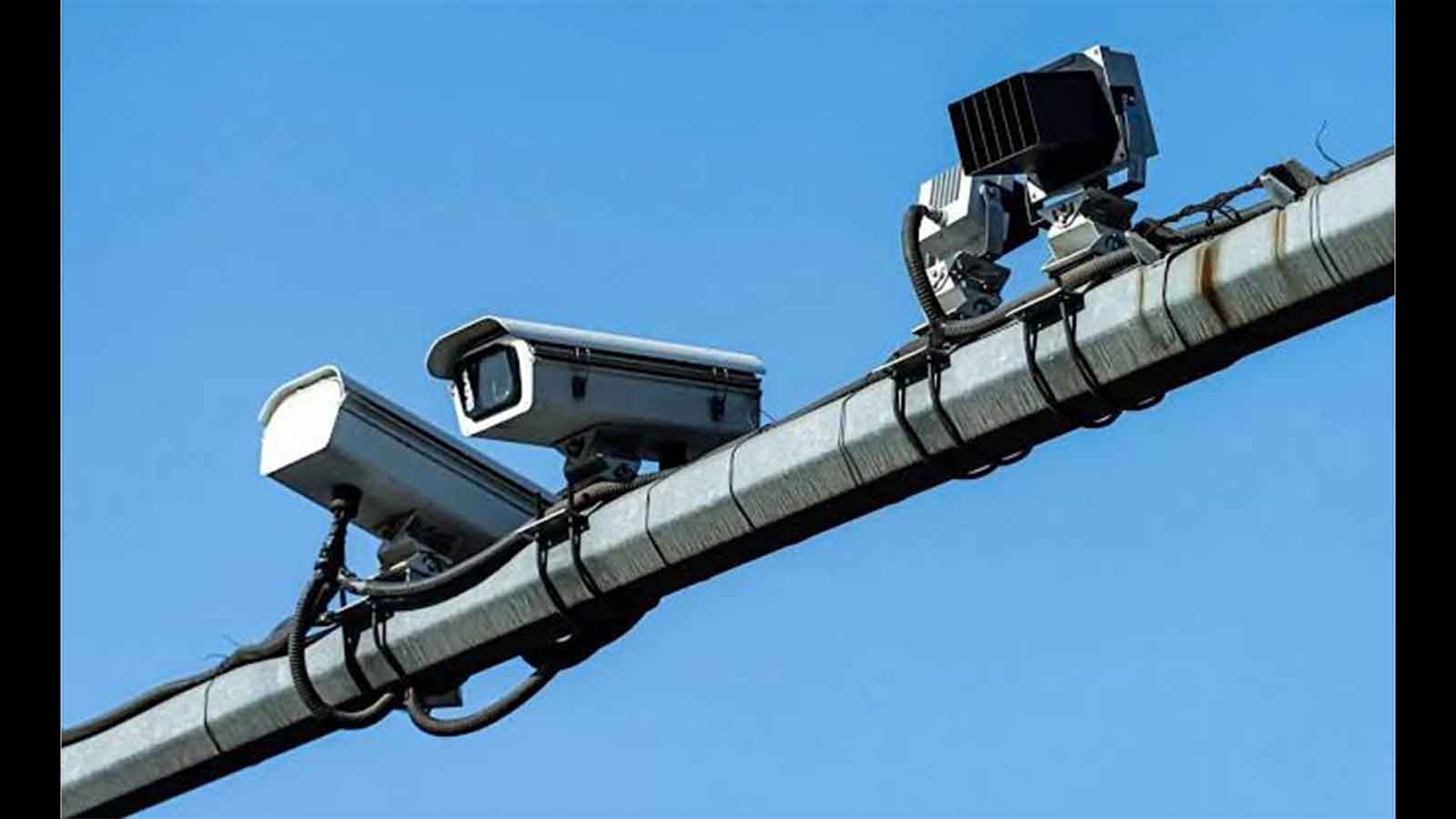
EVERYONE has been aware for a long time that driving standards in Harare are appallingly low and motoring and traffic offences are very common.
In this regard, the first 20 cameras installed as part of a new traffic management system have found the position is worse than anyone ever imagined.
The cameras, which are switched on 24/7, are recording around a million offences every month.
These range from the life-threatening reckless driving including passing through red lights down to offences that disrupt traffic, but create only moderate danger.
With just 20 cameras at major intersections in the city centre and along major arterial roads, each is recording an average of 50 000 violations a month.
And this is just the first phase of the Smart Traffic Management and Surveillance Programme, a joint initiative involving the Ministry of Home Affairs and Cultural Heritage and TelOne.
A lot of offences must be going undetected. So that figure of 1 million a month is likely to rise sharply when all 300 planned Harare cameras are in position.
Some will be at places where there is less traffic, and so presumably fewer offences, but we can expect a sharp rise in recorded offences, plus being able to track those motorists who commit a dozen offences during a short trip.
Justice demands that adequate verified evidence is accumulated before a charge is made and a fine levied. Parts of the whole system can be automated, but the courts will need to be convinced that it works properly.
And for the most serious offences, the courts, hopefully special extra courts so that justice is not delayed, should be needed.
Fines are all very well as they hit everyone equally, the rich and the poor. This allows the rich to just treat a fine as a minor nuisance, not a lesson to be learned, and other frequent and repeat offenders might simply regard fines as an overhead for their business.
So this is where courts are needed. For serious offences a spell of community service would seem an appropriate sentence, although obviously if the offence sees others killed or seriously injured, a spell behind bars would be more appropriate.
Right now the police must be working on how to deal with the 4 million offences already recorded since the first camera was turned on a few months ago, and the additional 1 million a month, more than 30 000 extra every day or an average of 24 every minute.
No matter how good automated systems are, it still requires some human control and checking, and manpower is not unlimited.
We would like to see in any selection process that the most serious life-threatening offences are tackled first: reckless driving including passing through a red light, overtaking in the face of oncoming traffic, sudden U-turns or stopping in the middle of the road to let passengers on or off and, as the system progresses beyond intersections, the more serious speeding offences.
Once people are being charged and at least being fined the word will start getting around that the cameras are working and that offences can be followed up.
That should start reducing that appalling figure of a 1 million a month. Each reduction should therefore allow more resources to be applied to the less severe offences as we work to reclaim our roads.
At the same time, the system can identify some of the worst places for offences, and an intermittent blitz by a block of traffic officers, under reasonably senior command to prevent corruption, can be mounted.
We have the odd road blocks every day so there is some manpower than can be concentrated for at least a few hours at a bad point.
Since the cameras will be on, the officers on the ground can be given the precise details of each vehicle that needs to be stopped and any argument can be settled almost instantly by a replay of the recording made.
By linking the camera recording of an offence to the instant stopping of the offending driver, all sorts of problems can be avoided.
The police have set up a bank account for fines, partly to speed up the process and partly to prevent corruption when liquid cash is being passed around.
Even in these mini-blitzes the fines must go to that account from the phone or card of the offender, with no physical cash allowed.
At the same time, the Zimbabwe Traffic Safety Council and the police must launch a programme to show and teach drivers just what sort of offences they might be committing.
Far too many drivers last saw a Highway Code when they were cramming for their provisional licence; those testing knowledge later of the code, such as in defensive driving courses, find low levels of retained knowledge.
There are licenced drivers on our roads who have not seen a Highway Code, let alone read one, for 50 years or more.
At some stage we will need compulsory retesting of all drivers, at least on the Highway Code, for a licence to remain valid.
But in the meantime we could look at compulsory Highway Code lessons and testing for some offences, or, when we introduce the points system, as required when multiple minor offences pile up. Several countries have introduced this sort of system.
We know now the true horror of just how bad the breakdown of legal and orderly driving is, and it should be possible to build up the statistics, fine ever more of the offenders, educate the rest of the motoring public and generally restore legal driving on our roads.