

 admin
admin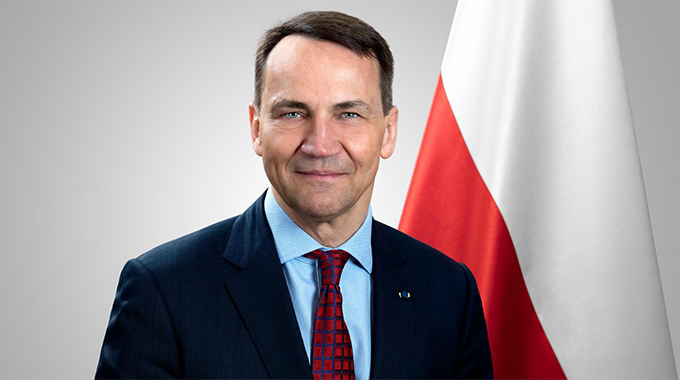
THE near total normalisation of relations between Zimbabwe and the European Union, with only the largely a symbolic arms embargo left of the old sanctions regime, shows the gains of the Second Republic’s pragmatic foreign policy of engagement and re-engagement.
On its part, the EU has also displayed remarkable magnanimity and open-mindedness in acknowledging the immense progress achieved under President Mnangagwa since he took the reins of power in 2017.
The new normal was seen at the weekend when Polish Foreign Minister Mr Radoslaw Sikorski visited Zimbabwe to co-chair a SADC-EU Ministerial meeting. During Poland’s Presidency of the EU Council, this is a duty that falls to Polish Ministers and so Mr Sikorski was representing the EU, and while his presence was obviously normal, he was still the highest ranking EU representative in the country for more than 20 years.
But in many ways more importantly was the step last week, when the last EU sanctions targeted entity in Zimbabwe, the Zimbabwe Defence Industries, was removed from the list. It is very unlikely that there are any ties between that company and any European business, but the removal meant that there were no longer any EU sanctions targets in Zimbabwe.
This is important. The problem with so-called targeted sanctions is that there is serious collateral damage on ordinary people and the country as a whole.
European companies doing business in Zimbabwe had to make sure that no person or entity targeted was involved in any way in the deal. In the same vein, European banks in particular had to make sure that every payment from a Zimbabwean business for something they bought from a European company and every payment to a Zimbabwean company did not involve a target.
This imposed practical restrictions on a lot of business and financing, as checks had to be made and when the profits of a deal, or the banking fee, were to be chewed up by the costs of a required check then often the decision was made not to bother.
Now any European company and any European bank can go ahead and conduct normal business with Zimbabwean customers and suppliers without having to look over its shoulder.
The final EU sanction, the arms embargo, does not have this effect since all arms sales in every country go through a separate defined route and need positive approval from the selling company’s Government, so there is never that need for major checks that the targeted sanctions demand.
In any case the lifting of that sanction would be largely symbolic, as Zimbabwe is not a major buyer of arms and has assured suppliers for the routine supplies of things like generic ammunition and the very modest supplies of equipment. The lifting of that embargo would thus just be a signal that there were no sanctions whatsoever, and so total normality of relations.
The EU joined the American and British sanctions in response to the land reform programme almost 25 years ago. They drew up their own lists of sanctioned individuals and companies and had their own set of financial sanctions.
At the same time many EU-Zimbabwe ties were put on the back burner, along with ties between Zimbabwe and many EU- member states.
The advent of the Second Republic and its policy of engaging with everyone attracted a response from the EU and from many European states. What we saw was largely a willingness to be open-minded and to look at what was happening, rather than looking at the past or wanting to remain entrenched.
That open-minded approach in response to the openness displayed by the Second Republic saw steady progress in the improvement of relations between Zimbabwe and the EU.
In recent years, EU member states and their Ambassadors have become noticeably very business orientated and tend to stress the positive aspect of relations rather than dwelling on the diminishing number of disagreements. The problem of Zimbabwe’s debt arrears, the difficulty of any new funding from international development institutions and the difficulty of sorting out rescheduling and other measures are still there but are being addressed.
The EU has made it clear that it sees the present progress in a very positive light, including that deal made a few years ago with the former commercial farmers fulfilling the Constitutional requirement for proper compensation for the improvements the farmers had made on the acquired farms. That compensation is being paid but it will be paid a lot faster once access to global development finance is possible.
Zimbabwe itself, for its own reasons and its own needs rather than in response to outside pressure, had put in place its new home-grown Constitution and started the lengthy process of bringing hundreds of pieces of legislation into line with the Constitutional requirements set by the people when they approved the new basic law. That included practical fulfilment of the compensation for improvements.
It has been apparent for some time that any attempt to block a debt-clearance arrangement that includes the normal rescheduling and other measures, along with a payment plan for Zimbabwe, would require the European countries to vote against relief for Zimbabwe. Even their abstentions would probably be enough to ensure the passing of a properly-worked out arrangement. So the present warming of relations makes an effective deal far more likely.
The new levels of EU-Zimbabwe relations, along with other diplomatic progress, has shown the practical benefits of President Mnangagwa’s engagement policy, and his determination to be a friend to all and an enemy to none.



 Online Reporter