Online Reporter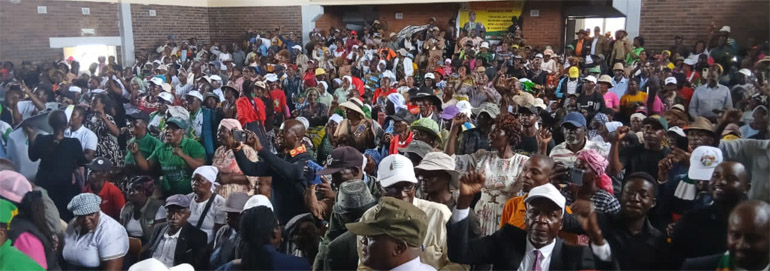
THE forthcoming consultations on the Constitutional Amendment Number 3 Bill present a defining moment for Zimbabwean citizens to actively shape the trajectory of the nation’s governance and democratic culture.
Constitutions are not static documents; they are living instruments that must evolve to reflect the aspirations, values, and realities of the people they serve. When amendments are proposed, it is not merely a technical exercise confined to legal experts or policymakers—it is a national dialogue that requires the voices of ordinary citizens.
Participation in these consultations is therefore, not only a right, but a civic duty, one that ensures the Constitution remains a true mirror of the people’s will.
Citizens must recognise that their inputs during these consultations carry immense weight. Every suggestion, concern, or endorsement contributes to the collective wisdom that guides lawmakers in refining the amendment.
The Constitution is the supreme law of the land, and its provisions affect every aspect of life—from governance structures and accountability mechanisms to the protection of rights and freedoms.
By engaging meaningfully, citizens safeguard their interests and ensure that the amendment process does not become detached from the realities of everyday life.
The consultations are not simply about agreeing or disagreeing; they are about ensuring that the amendment strengthens democracy, promotes inclusivity, and advances national development.
In this sense, every voice matters, whether it comes from a rural community, an urban youth, a professional association, or a civil society group.
Equally important is the manner in which citizens conduct themselves during these crucial gatherings.
Consultations are designed to be platforms for dialogue, debate, and consensus-building. They lose their value when marred by violence, intimidation, or disorder.
Public violence, not only undermines the integrity of the process, but also discourages participation, silencing those who may fear for their safety.
It erodes trust in democratic institutions and creates divisions that hinder progress.
Citizens must therefore commit to peaceful engagement, respecting differing opinions and recognising that diversity of thought is the foundation of a healthy democracy.
Constructive disagreement is not a threat; it is an opportunity to refine ideas and arrive at solutions that are more robust and representative.
Desisting from violence is also a matter of protecting the credibility of the amendment process. International observers, investors, and development partners often look at how countries handle such critical exercises as indicators of political maturity and stability.
A peaceful, inclusive, and transparent consultation process sends a powerful message that Zimbabwe is committed to democratic governance and the rule of law.
It enhances the country’s reputation and strengthens its position in the global community.
Conversely, violence and disorder tarnish the image of the nation, casting doubt on the legitimacy of the outcomes and weakening confidence in the country’s institutions.
Citizens should also view these consultations as an opportunity to build civic literacy. Engaging with constitutional issues deepens understanding of governance and rights, empowering individuals to hold leaders accountable.
It fosters a culture of participation where citizens, are not passive recipients of decisions, but active shapers of policy. This culture is essential for the sustainability of democracy, as it ensures that future generations inherit a system where dialogue, not violence, is the default mode of resolving differences.
The Constitutional Amendment Number 3 Bill consultations are more than a procedural requirement; they are a national moment of reflection and decision-making.
Citizens must rise to the occasion, actively participating to ensure that the amendment reflects the collective aspirations of the nation.
At the same time, it is crucial to maintain peace and order during these gatherings, recognising that violence undermines both the process and the outcomes.
By engaging constructively and peacefully, Zimbabweans can demonstrate their commitment to democracy and ensure that the Constitution continues to serve as a true embodiment of the people’s will.