admin
admin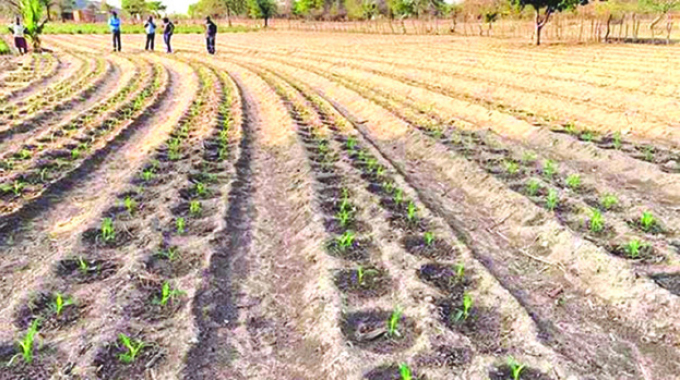
Pfumvudza/Intwasa looks as though it will be adopted by record numbers of small-scale farmers this year as a critical way forward to enhancing their farm production and going far beyond meeting their household grain requirements by growing crops that bring in income.
President Mnangagwa, who launched the new Pfumvudza season in Buhera yesterday, has been closely connected with the scheme since its beginning after a successful trial, and has been totally supportive, as shown by its official name, the Presidential Agricultural Climate-Proofing Input Support Programme.
The first critical aspect is the climate proofing, that is applying modern research to helping small-scale farmers, many of whom do not have irrigation, to produce a respectable crop.
This has now been extended as including the right sort of crop and varieties for each climate zone and district, so enhancing the chances of success and maximising the return on inputs.
This plank of the scheme includes generating the highest possible yields from a given package of inputs, rather than low yields from a wider area. Since so much labour is hand labour it is important to get the best possible harvest from the applied labour.
The conservation farming techniques were designed to maximise yields, even when rainfall was far from perfect, and experience has shown that farmers using them can still get reasonable yields even with dry spells and less than normal rainfall. Admittedly severe drought is harder to cope with, although a fair number of the Pfumvudza farmers managed at least something in the very severe El Nino drought last season.
The second plank of the scheme is the provision of inputs, at least for a basic batch of properly prepared plots, by the Government. To make sure that the allocations of inputs are fair and go only to serious farmers, agricultural officers have to physically check each household’s plots, having conducted the training programme, to make sure that the inputs will be used.
This has ended almost all corruption, and anything not accounted for is easy to track down. The other part of the package is of course that the only test is being a serious farmer and making sure you prepare your plots, dig your holes and gather your mulch.
No one cares who you or your relatives are, no one knows or cares how you vote, women get the same support as men, and youths the same as established farmers. And the target is everyone, without exception, so long as they meet that simple test.
In many ways Pfumvudza/Intwasa is a minimum package. Farmers can do more, and are encouraged to do more, but have to use their own inputs or get commercial sponsorship, as many now do in the tobacco belt. But just using their Pfumvudza package fully will give them a good start, and help them start building up the skills, resources and other requirements to extend the scheme.
Handing out this minimum package makes financial sense for the Government. It is a lot cheaper to give a family the seed and fertiliser to grow their own food than having to do, as has had to be done this year, giving out food aid.
But even more important it is getting some of the poorest people off the bottom rung of the ladder. When we talk about an upper middle-income economy we have to mean that we do not have much, if any, very poor people.
Pfumvudza not only moves the largest single group of households, no longer a majority, but still a formidable number, up the ladder, but through their incomes starts pumping cash into rural areas.
The other noteworthy aspect this year is the hope that farmers have after such a bad season. More than two thirds of the targeted number of plots have already been prepared and certified by the agricultural officers, and those inputs are about to be delivered to the farms having reached the GMB depots.
As the remainder are dug and certified, they too will get inputs.
President Mnangagwa and the Government are offering other opportunities to that huge group of small-farm rural households, from the village boreholes and the accompanying village business units to the poultry and livestock schemes.
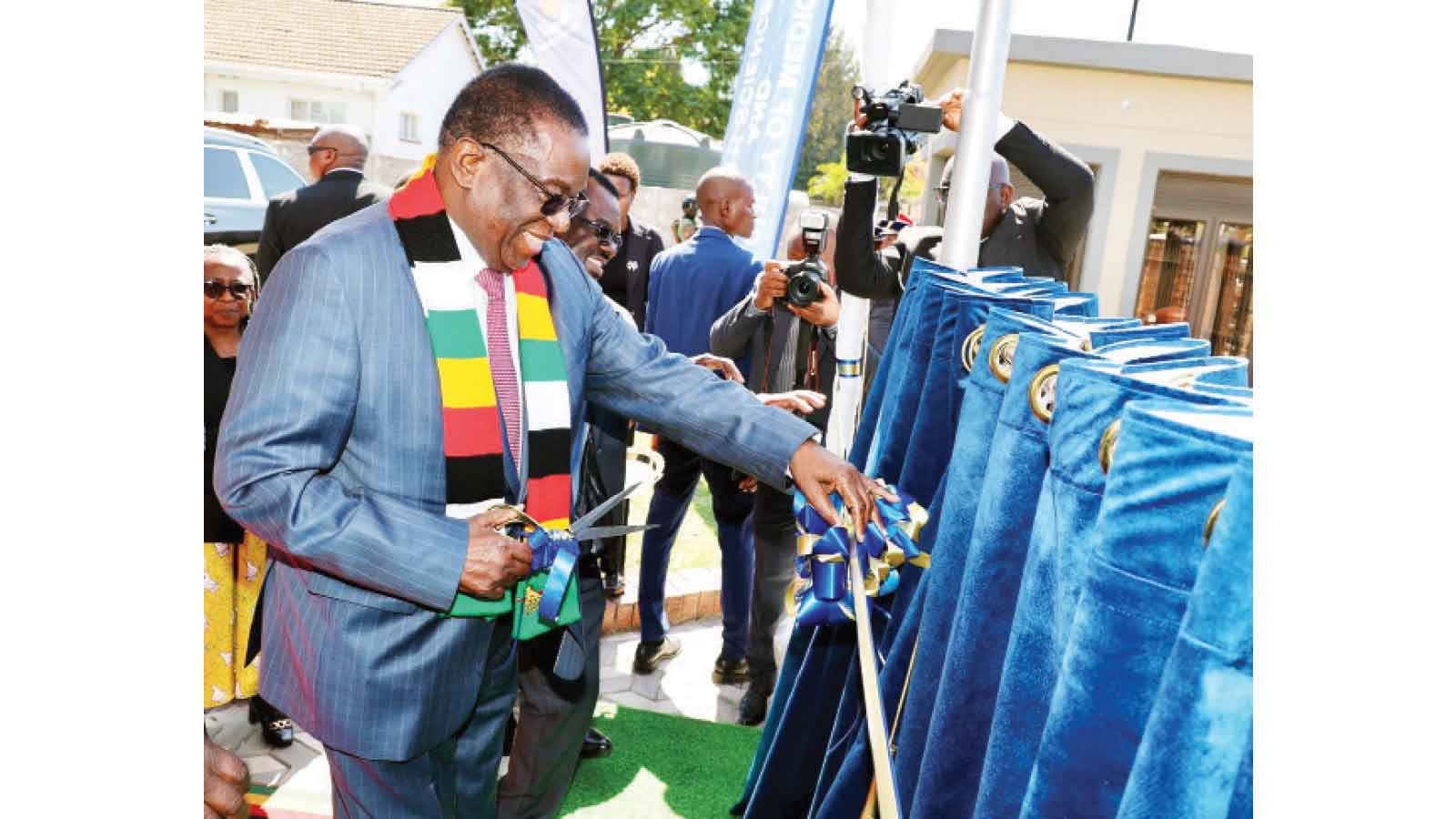
Among these is the determination to move forward with fish farming, and President Mnangagwa commissioned fish tanks yesterday as he showed the way forward.
A lot of rural development is not some sort of mono-culture but a wide variety of income sources for each household, as well as a better and more varied diet for each family, with the accumulation of food sources and income sources providing that middle-income standard of living we need to grow and encourage.
Pfumvudza/Intwasa and the other Government schemes are a partnership between Government and the farmers. The Government is determined to create opportunities, and to do so effectively and fairly. But opportunities are just that, an opening.
To exploit them we need the other half of the partnership, the farmers, gabbing the opportunities and then running with them to improve their lives. And it is this self-improvement and family improvement that is so important. No one wakes up in the morning and announces a forthcoming hard day in the fields to create national food security.
They go out to do the work to feed their own families and earn money for the things they want, and that is what the Government schemes offer, although the markets exist because the rest of us want to eat and will pay the farmers to grow the food.
The partnership is bringing in serious rewards and serious development, and even a very bad drought becomes just a blip that slows the growth and development for a year, before the farmers get going again, with the President and Government backing them, to keep building their lives and as a consequence keep building the country.


 Online Reporter