admin
admin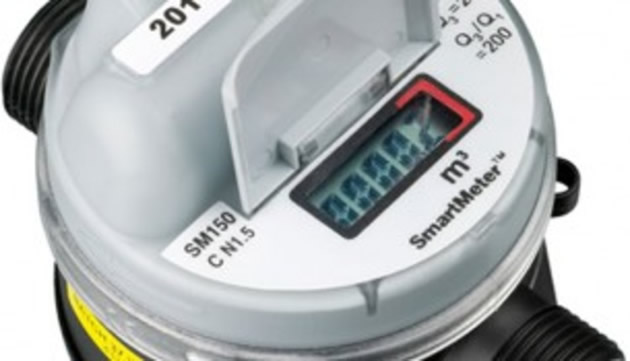
THE advantages of prepaid piped water are so many that all, except the dishonest who refuse to pay their bills, will embrace the introduction of new prepaid meters so long as Harare City Council reverses its decision to make residents buy the meters.
So we support, as a concept, the council’s decision to go ahead with the scheme. We also support the idea of installing 2 000 meters in an initial six-month test with all councillors and senior city officials among those testing the scheme.
This should allow any problems with implementation, and even meter quality, to be overcome before the rest of us are connected.
The advantages to users are many: we will only pay for water we use so the council must deliver if it wants our money instead of just charging us for dry taps; those who waste water, who refuse to fix leaks on their property, or who insist on flood irrigating their gardens can pay a lot more; and households can manage their consumption.
We have seen all of these advantages in electricity supply since Zesa introduced their pre-paid meters.
The council also wins.
For the first time in many years it will have a guaranteed cash flow for the water it treats and pumps. This will allow it to buy the chemicals it requires, maintain its treatment and pumping equipment, and repair leaks as they occur.
Excuses that nothing can be done until people pay their bills will no longer be accepted.
If it cannot deliver it cannot charge.
We assume that it will also be easier for the council to borrow at low interest rates the necessary capital to expand supplies.
Zesa was able to borrow money to expand Kariba South and Hwange Thermal power stations once it could show foreign banks a regular and assured cash flow.
But Harare has gone off the rails with its decision to charge users the US$250 to US$300 a meter, even with its proviso that this can be paid in instalments as a percentage of the water bought.
This is wrong and the cost needs to be borne by the council.
For new developments and buildings there would be no problem adding the cost of the meter as part of the charges the council already levies for supplying the connection in the first place but existing properties have already had these charges levied.
A second problem with users owning the meters is what happens when a meter breaks and needs to be replaced or fixed.
The meters have to be owned by the council in any fair system and the council needs to maintain them.
If there are any worries about users deliberately damaging meters or by-passing them, then the council through its parent Local Government Ministry can approach Parliament for suitable changes to the law, as Zesa did, so such people are punished severely.
The other problem that needs to be solved is the tariff system.
At the moment we are all charged a minimum fee whether water is delivered or not and whether or not we are at home or on holiday.
A pre-paid system requires a single tariff, rather than the complex one now in place.
This tariff has to be fair and affordable and has to sell water by the cubic metre, without any assumptions about how much we should use.
Feedback from councillors and officials during the test phase will help the council come up with something that works.
The prepaid concept is so good that it cannot be spoiled by unnecessary charges and bureaucracy and the city council simply needs to refine the system so that it works properly and fairly for the benefit of the city and residents.


 Online Reporter