Online Reporter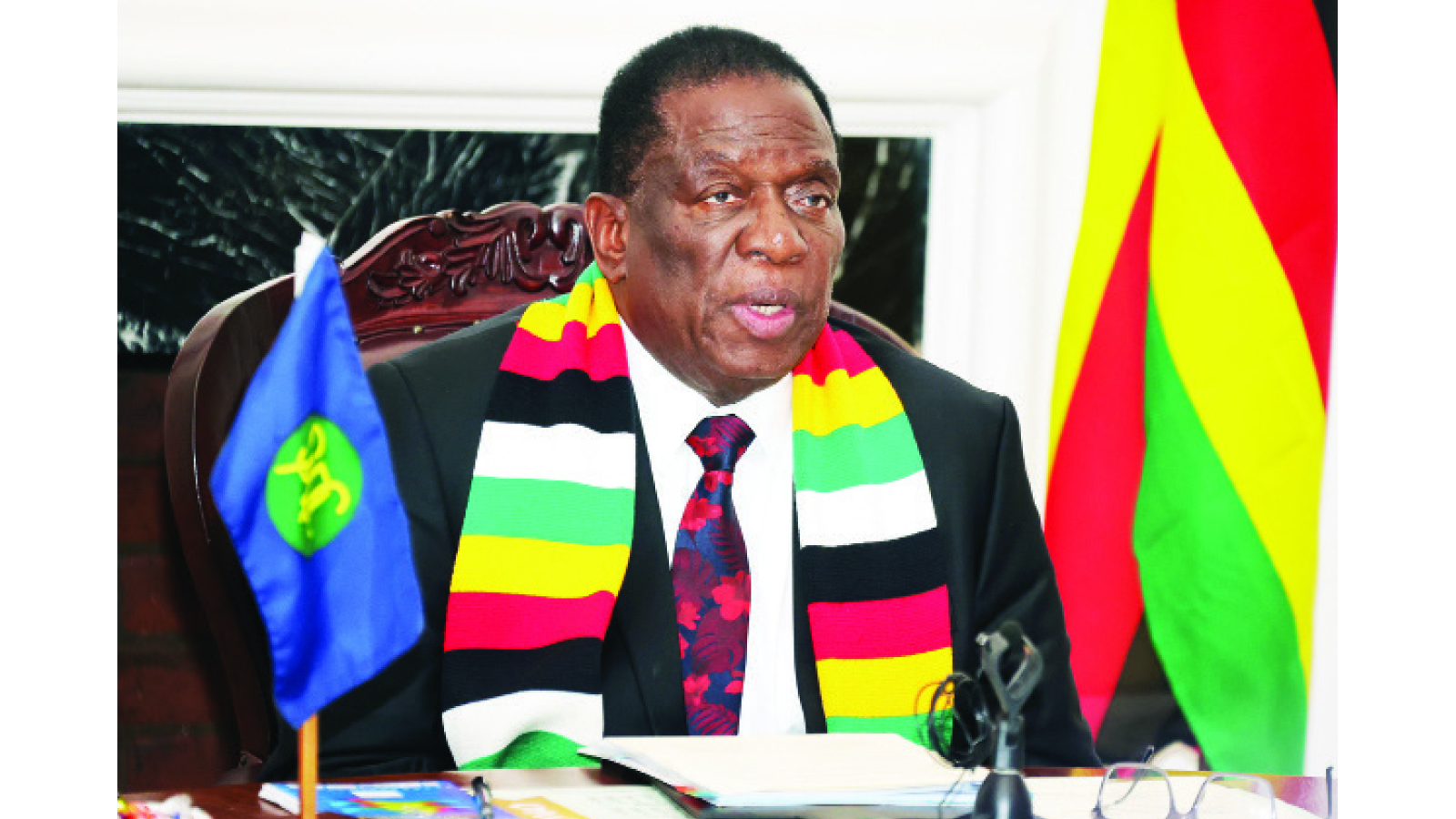
SADC rotates its chairperson every year, ensuring that different perspectives and priorities are explored along with the standard work of chairing the regional community.
With his own background, as seen in his leadership in Zimbabwe, President Mnangagwa was very keen during his year in office to push hard for advancing economic development, and SADC is a development community, through accelerating industrialisation and value addition.
He also wanted to see continuing progress on regional integration and converting good ideas into practical reality.
This became more urgent this year with the global climate tending to see fragmentation of an integrated world economy and the threats of trade wars and tariff battles. Southern Africa was going to have to rely more on itself to push growth, although there were many opportunities with others in the same boat.
At the same time, there were threats to peace, especially in the eastern DRC, that needed to be dealt with decisively and with the solid backing of the whole region if there was to be any practical progress, hence the special summits called to discuss the DRC and the unanimous decision to join up with the East African Community, with African Union backing to have the most effective peace programme, one that could actually deliver.
President Mnangagwa, in sorting out the Zimbabwean economy and getting it back into rapid growth, with growth even being seen in a bad drought year, always stressed the economic fundamentals, making sure that economists were giving the correct advice, and most importantly stressing the practical results.
The ultimate in practical development is tens of millions of Africans in the southern end of Africa and the neighbouring islands are better off, have a higher chance of living in peace while they sort out their own problems, and have the opportunities to develop themselves, their families and their communities. Get these right and the rest follows automatically.
Economically, there is little disagreement over the ultimate path of progress.
Southern Africa has huge mineral resources, being in the top 10 in the world for most minerals, and has immense agricultural potential, being able to feed itself and produce a good assortment of crops and livestock for export that can help build up incomes for farmers.
Beneficiation of minerals and resulting industrialisation has been very uneven despite having one of the most advanced industrial economies in South Africa.
But much of regional industrialisation was built around import substitution and with fairly low levels of primary industry supporting a larger secondary industrial base.
Import substitution is fine so far as it goes, but it is limited to replacing what is being imported and unless we are very careful, allows the inefficient to thrive.
Far better is the alternative thrust of building industries that can compete in the African Continental Free Trade Area, industries that combine modern processes and high levels of innovation.
This President Mnangagwa has been pushing, both nationally and regionally, including looking for new products that can be processed for local raw materials and plants, rather than just trying to make copies of stuff from other continents.
Results of industrialisation are never instant, but switching the mindset of industrialists does produce results in time. Fundamentally, we in the region are not competing against each other, but against the world.
On the peace side, some rapid footwork was required when the peace processes that many thought were working in the Eastern DRC, albeit on the slow side, suddenly unravelled. A lot of solid work had been done in both SADC and the EAC to bring the sides to agreement.
The main requirement was to make it clear that all the neighbours were of one mind, and that meant that first President Mnangagwa had to use his position to build the SADC diplomatic unity, and then join up with the EAC where a similar process had succeeded, in active unity.
From there it was possible to now, stressing once again President Mnangagwa’s push of practical and workable solutions, to join and then upgrade the regional initiatives.
Top level facilitators had been used before in Africa, and the continent has developed the concept since term limits in most countries meant there were very suitable people who had standing and could be drafted into African solutions for African problems.
The DRC peace process takes this concept further with a team of five such facilitators, from countries that ring the problem area on all sides. They cannot be ignored; they have won hard practical experience the hard way in their own countries.
Once again, we see President Mnangagwa’s stress on practicalities and workable arrangements.
The President’s term of office in the chair has been widely acknowledged as being effective, and taking SADC further along the path to regional progress. And all advances are done one step at a time and all that is built is built one brick at a time, as the President reminds us.
Now Madagascar’s Andry Rajoelina has taken over as chairman, he will have his own perspectives. But it is likely that he will wish to continue pushing the unity that SADC has been effectively showing, especially when fixing regional problems and emergencies, and will also wish to seek practical and workable solutions to our many problems.