

 Online Reporter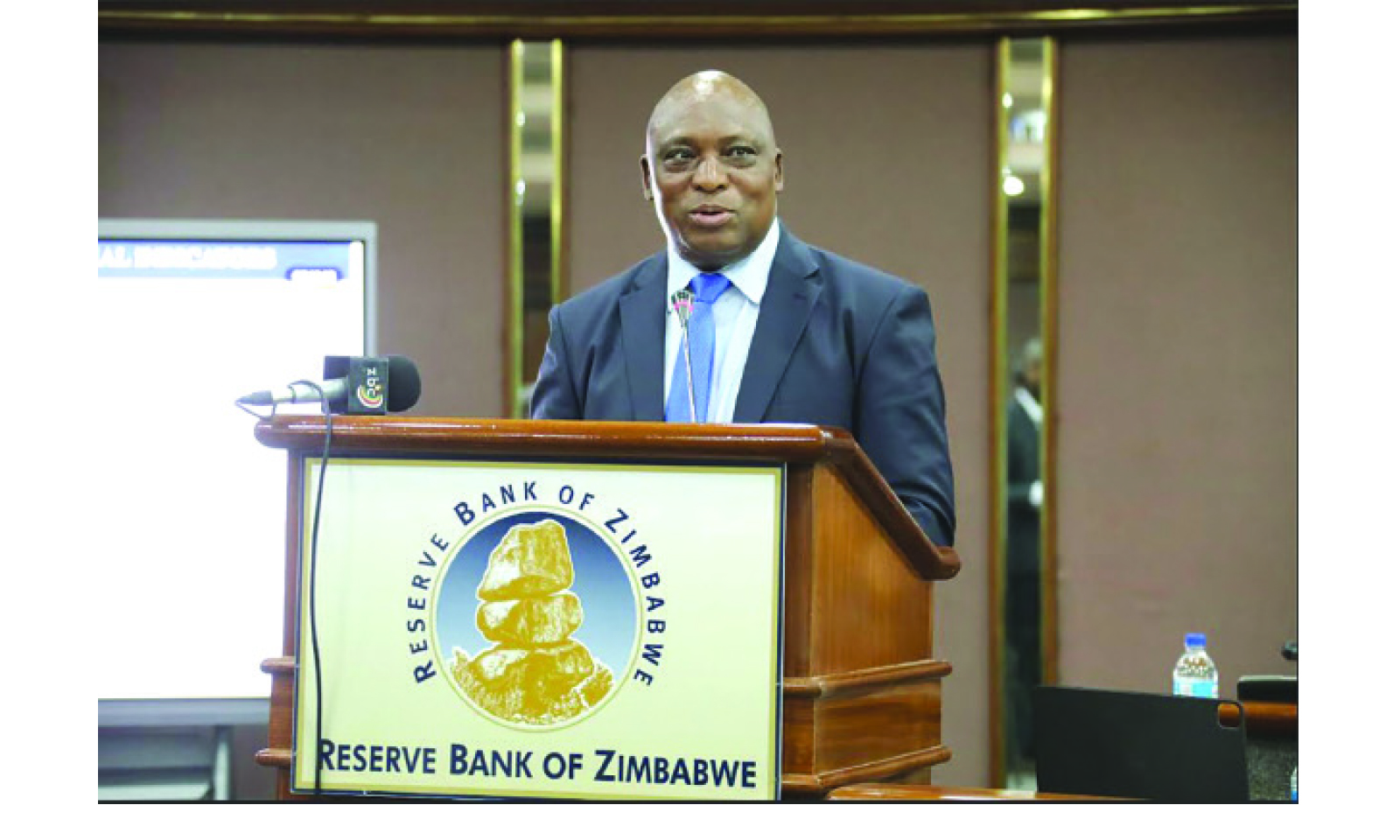
ZIMBABWE has been weathering economic shocks driven by wars in the Middle East better than most countries and far better than many might have expected, thanks largely to the huge range of economic reforms implemented by the Second Republic over the last few years that now give us a bit of slack.
The Government, and for that matter the Reserve Bank of Zimbabwe, remain determined to maintain the victory over inflation, simultaneously minimising the pressure on consumers but ensuring the long-term strength of the economy so that we can push ahead with our economic development without any derailments.
This means the authorities are using market forces, the strategy that won the inflation battle in the first place, rather than trying to decree price controls, which have never worked.
But as is now becoming apparent, they have set up their systems to allow shocks to be absorbed without much damage.
So far, the price of petroleum fuels has risen, as a result of the surges in the price of crude oil and the prices of the refined products Zimbabwe imports.
But the knock-on effects have been minimal, with no noticeable price rises in essential and semi-essential goods except for some bakers pushing up their prices 10 percent.
That bread price increase is regrettably a side-effect of the concentration in recent years of commercial bread baking in very few hands and the subsequent need to move large quantities of fresh bread every day, sometimes for long distances, and so pushing up the percentage of costs attributable to transport and the final retail price by 10 percent. Bakers serving local communities are so far managing without an increase and will no doubt push up their market shares.
Already emergency work has minimised the price rises for diesel.
It went up in price but only to US$2,05 a litre, rather than US$2,20 a litre.
Now the Government is examining the taxes it imposes on fuels to see how these can be cut, at least temporarily until something closer to normality pertains, in useful ways that control the final retail price.
Users of fuels usually have a bit of slack of their own, and by concentrating on fuel saving measures, including everything from no wasted journeys to satellite tracking to ensure more efficient driving, can keep their costs under control. The pressure is now there to do so, rather than just assume cheap fuel was likely to be permanent.
Petrol prices can be best kept in affordable ranges by switching to E20 ethanol blends from the present E5 blend.
An interesting side effect of the pro-business and pro-investor policies of the Second Republic is that the investor in the main ethanol plant has already been raising capacity and storage dramatically, showing that the long-term policies are paying off.
Moves have already been taken to add to our fuel supply lines, with the more than three months supply cover in the local and Beira depots meaning there is plenty of slack to find solutions that make economic sense, rather than having to paste together expensive emergency measures.
Again this is a benefit of the Second Republic economic policies, making sure that we do have reserves of fuel and food.
One serious inflationary pressure in the past has been the shortages at times of foreign currency.
This time this will not be a problem. Already Zimbabwe has been recording positive balances on the trade account, meaning we export more than we import, to add to the already positive balance on our current account, meaning inflows of foreign currency exceed outflows.
To this can be added the surge in gold production, which by last month was 31 percent higher than a year ago.
The higher prices we are earning have helped to push up volumes as well and all this extra foreign currency means we are well padded to cope with higher fuel import costs and any other surges in import prices for essential products.
We still need to be careful, and be looking at pushing up local production to ensure supply and value chains, and the global economic turmoil should be a signal that accelerating this work is definitely a good idea.
The Reserve Bank is quite sanguine about the pressures, acknowledging that there will be some inflationary pressure from rising fuel prices, but still confident we can keep our annual inflation figures within single digits this year.
As we are starting from 3,8 percent in February we again have a buffer.
But the Reserve Bank is also keeping the lid on inflation with its very conservative interest rate policies, maintaining the bank rate, or base interest rate at 35 percent, and making sure banks are not over liquid.
All of the effective moves the Government is now able to take result directly from the careful policies that created what amount to high-quality buffers that, again with careful and measured thought, now allow better protection for consumers while maintaining our victories of high economic growth with very low inflation.



