dyton mupawaenda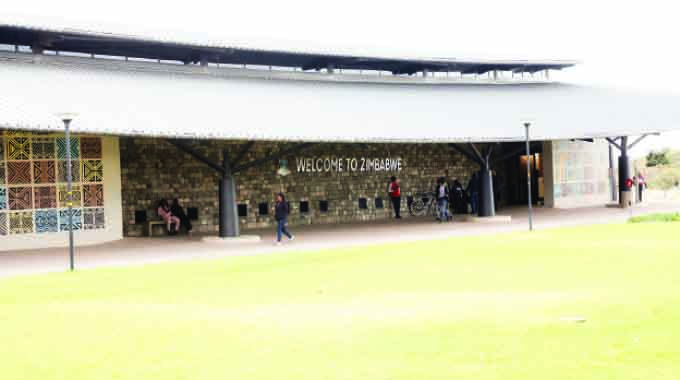
The growing digitisation of more and more Government functions, especially when these concern interaction with the public and with the business communities, has seen a rapid rise in efficiency with the unavoidable bureaucratic processes taking minutes instead of days, or even weeks.
But the other huge benefit is that openings for corruption can be severely limited, first because it is impossible to bribe a machine or software system, but secondly because everything done is instantly accessible and an auditor can do the necessary checking many times faster and blow a whistle before anyone can benefit.
Of course, given the almost unlimited ingenuity of the criminal classes, new openings will be found, or at least tried, but again these can be seen as they appear and be closed, and the evidence made available in full to the prosecutor, while the software developer writes a few more lines of code or the human who has to make the final decisions is replaced by someone more honest after they were caught trying to override the data memories.
We have already seen a lot of the advantages of digitisation in tax collection, both for income tax and VAT with those specially approved tills and in the collection of customs duties with both the advance submissions entered into the database and ease of a physical check as the truck passes through a border post.
The new Beitbridge Border Post is not only far more pleasant and easier to access, the Ministry of Finance, Economic Development and Investment Promotion has always been praising the digitisation and the software, noting how much extra duty they now collect because it is almost impossible to cheat, or at least how much easier it is to catch those who try their diminishing luck.
For many the higher efficiency is the first big plus. Many of us remember the horror of getting a new passport every nine or so years, waking up before dawn to get in a queue and then spending a day tramping between offices and then returning to pick up the passport a month later, and being told to come back.
A new generation is rising who simply do not believe these stories, since they know it only takes a couple of hours to get a new passport, less time than it takes some to pay their city council rates.
And because everyone is linked ever more people can get that passport far closer to home at a district or provincial office, with the aim being to have every district office on line.
Now Government procurement is going digital, and we hope this means right down the line to even the most remote rural district council as well as the huge city councils along with the parastatals.
It is not something that needs to be confined to ministries, departments and agencies, although that is where it probably has to start.
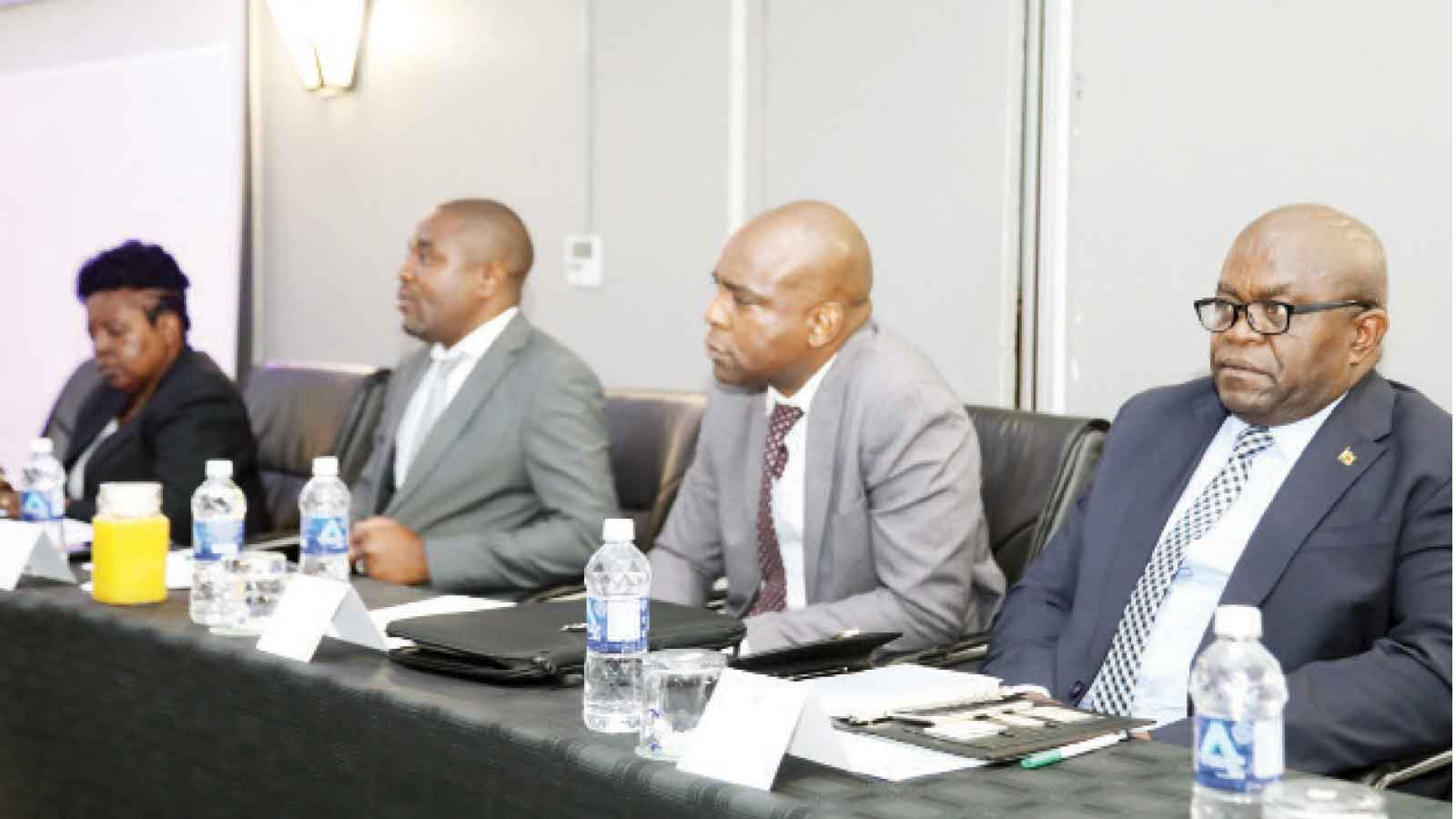
President Mnangagwa was obviously impressed when he saw the new system, e-GP or e-Government Procurement, working this week, and with his continuous stress on efficiency, openness, transparency and inclusion we can expect this to become the normal way of buy goods and services right down the line.
As was explained to the equally impressed witnesses, the system should attract a lot more potential suppliers, opening up competition, since it means that the suspicious who never bothered will now come aboard, since they can see what is happening, and other suppliers who were far too small to afford the fees for tender documents and the like can now put in a valid tender far more cheaply and easily.
The Second Republic put in a lot of effort to get the procurement process fixed legally and in the sort of processes required, and the final checks that have to be made.
But that did create a fair amount of paperwork, and the need for the file to move between several offices and often between towns as it floated up the system to the final payment desk.
The Public Procurement and Disposal of Public Assets Act, as amended to plug the odd loophole that someone managed to find, and its associated regulations are now working well.
There is still that triple process starting with first listing those who want to be approved as potential suppliers, which means the checks that they are registered as a business, have bank accounts, pay taxes and have physical premises that are actually used for their business. But the data from that will now be online for the second stage.
The data will now be more complete since the opportunity has also been taken to ensure that when someone is submitting local products that they meet the local rules of origin for that particular product, which will vary.
The opportunity of an accidental or deliberate mistake has been closed, the box either ticks or it does not with the software, not a human, doing the ticking.
The second stage is the floating and assessment of tenders. This will be considerably simpler and a lot more transparent, meaning that it will be very hard to abuse.
It still requires humans to make decisions, but the evidence and facts used to make that decision are there for everyone to see and a daft or potentially corrupt decision can be identified in minutes and queried instantly.
The final pair of steps are the need for the check of value for money, and then the need to make sure that the stuff is delivered before the final payments.
But with everything in front of all the necessary officials who have to log-in that can be fast. And the fact that the decisions are there for everyone to see means that the decision making has to be open and done properly.
A useless or corrupt decision maker will be instantly revealed.
We have had problems that a technical assessment does not always check the value for money side, but this cannot now be skipped before approval, and there have been people in court who paid for stuff that was never delivered, now impossible.
One huge advantage of a digitalised system is that each stage has to be done before the next stage is tackled, with nothing missed. The software simply does not allow a skip.
And as we have mentioned, with everything recorded in a data base an auditor does not have to spend days with a pile of paper, some possibly tampered with, to check.
Just log-in and follow the electronic paper trail.
The private sector, where the large companies have been using a similar sort of digital process on their accounting systems for some years, have seen internal auditors able to catch the dishonest very quickly and easily, as well as catch managers who are not really up to the job or who get lazy.
We will still need the auditors, so the Office of the Auditor General does have to be properly staffed, but they can now be doing a far more complete job and, if the audit processes are moved more into real time, can catch the foul-ups or the attempts to manipulate the process as they happen instead of a year or two later when they root through filing cabinets and file rooms.
Having “Big Sister” watching you, as well as the transparency that lets others see what you are doing as you do it, should sharpen minds and remove temptation.
With the inefficiencies and potential corruption of paper processes dumped, this means that both suppliers and buyers in the public system can concentrate on the real issues of innovation, value for money and the like, to make sure we the taxpayers get a good deal for every one of our dollars.



 Online Reporter