admin
admin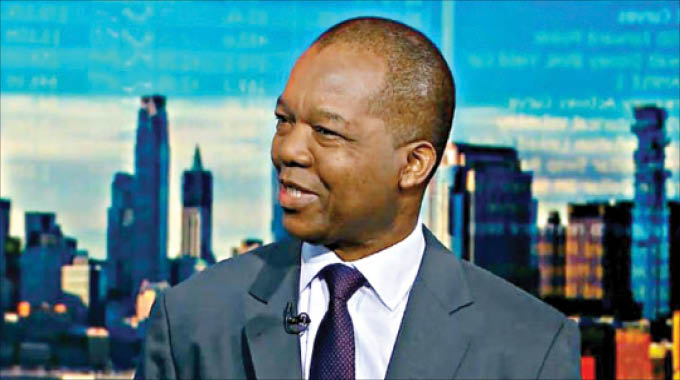
The announcement by the Reserve Bank of Zimbabwe (RBZ) that it will within the next two weeks introduce new bank notes is a welcome relief to the transacting public that is being fleeced by unscrupulous individuals and businesses selling cash.
Businesses are having different prices for cash and electronic transactions and in some cases products are selling for half the price if one has cash. The RBZ said it will introduce $2 and $5 notes as well as $2 coins to avoid larger denominations that may lead to inflation.
The central bank Governor Dr John Mangudya said the new bank notes will be pegged at 1:1 with bond notes in terms of value and the cash supply will be increased over the next six months. “We agreed to increase fiscal cash in circulation from current $768 million to a level which is commensurate with the rest of the world. Currently our money supply is $19 billion and our money in circulation which is notes and coins is about four percent. Internationally it is about 10 to 15 percent,” said Dr Mangudya.
Leading retailers in Bulawayo are offering up to 30 percent discount to individuals buying using cash as opposed to electronic transaction thereby disadvantaging those who do not have access to cash.
We also have small retail shops referred to as the “people’s shops” mainly along Fifth Avenue that sell goods in cash only and their prices are very low compared to prices charged by leading supermarkets.
Individuals are at times forced to buy cash from cash dealers at premiums of up to 60 percent in order to buy from these small shops whose prices can be as low as 50 percent of what is charged by big supermarkets.
We therefore want to implore the RBZ to move with speed to address the issue of cash shortages which has hit the consumers hard. Consumers are not only grappling with the ever increasing prices of basic commodities but have to also buy cash as some retailers and service providers are demanding cash.
The informal sector has also introduced different prices for cash and electronic transactions and as such it is cheaper to buy vegetables at the market using cash compared to electronic transactions. What is obtaining on the market is discouraging the use of plastic money which Government has been promoting and which is safe for individuals.
The availability of cash at banks should kill the multi-tier pricing system which, as already stated, is eroding incomes. The central bank should put in place a system to monitor banks to ensure people access cash as we suspect some banks are supplying the money to cash barons that are selling it at premiums.
Most Zimbabweans have embraced the ongoing currency reforms but what is disturbing is the unethical conduct of most businesses that are not only wantonly increasing the prices of goods and services but are charging different prices for cash and electronic transactions.



 Online Reporter