Online Reporter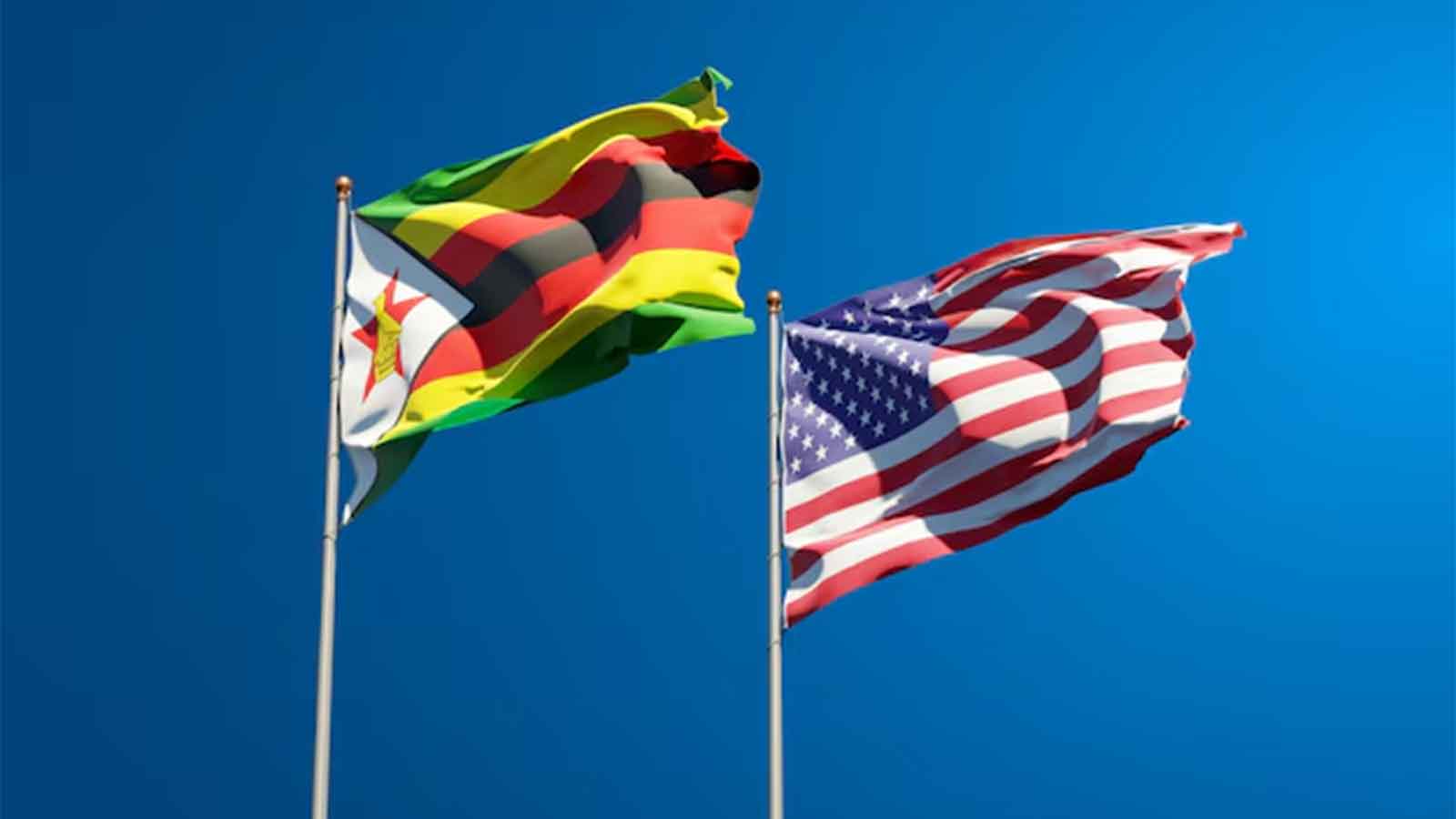
FOR over two decades, the relationship between Harare and Washington has been defined by a frosty detachment, a diplomatic deep freeze triggered by the Fast-Track Land Reform Programme at the turn of the millennium.
While the initial diplomatic rupture was principally a bilateral row between Zimbabwe and the United Kingdom, it was the punitive alignment of the United States — Britain’s staunch ally — that inflicted the most deleterious wounds on the local economy.
The imposition of the Zimbabwe Democracy and Economic Recovery Act (ZDERA) in 2001 was, and still is, a financial chokehold, effectively locking the nation out of the global financial system and stifling development.
Today, however, that seemingly impenetrable wall of hostility is showing distinct, undeniable cracks.
Through the Second Republic’s relentless engagement and re-engagement drive, Zimbabwe is standing on the cusp of a historic breakthrough.
News that President Donald Trump is expected to send a delegation to Harare to meet President Mnangagwa signals a seismic shift in geopolitical posture.
It suggests that the era of isolation, driven by a policy of carrot-and-stick diplomacy that has long since lost its carrot, is finally coming to an end.
The signs of this thaw are no longer speculative; they are tangible and legislative.
Perhaps the most significant indicator of a changing tide is the recent introduction of a comprehensive Bill in the United States House of Representatives.
This proposed legislation, known as the Department of State Policy Provisions Act, seeks to repeal ZDERA.
For more than 20 years, this Act has been the legal bedrock for sanctions, enabling the US to oppose loans, debt relief and financial assistance from international institutions like the International Monetary Fund (IMF) and the World Bank. To dismantle this legislative framework is to dismantle the primary barrier to Zimbabwe’s economic reclamation.
This legislative shift is complemented by executive action that points towards normalisation. The recent decision by the US to include Zimbabwe in its tariff-rate quota (TRQ) system for raw sugarcane exports is a concrete gesture of goodwill.
The allocation of 813 tonnes for the 2027 tranche, granting duty-free access to the lucrative American market, places Zimbabwe alongside nations like South Africa and Mozambique. This is not just about sugar; it is a signal of growing confidence in Zimbabwe’s agriculture sector and a clear indication that the economic embargo is becoming untenable.
Crucially, this momentum is being accelerated by high-level diplomatic chess.
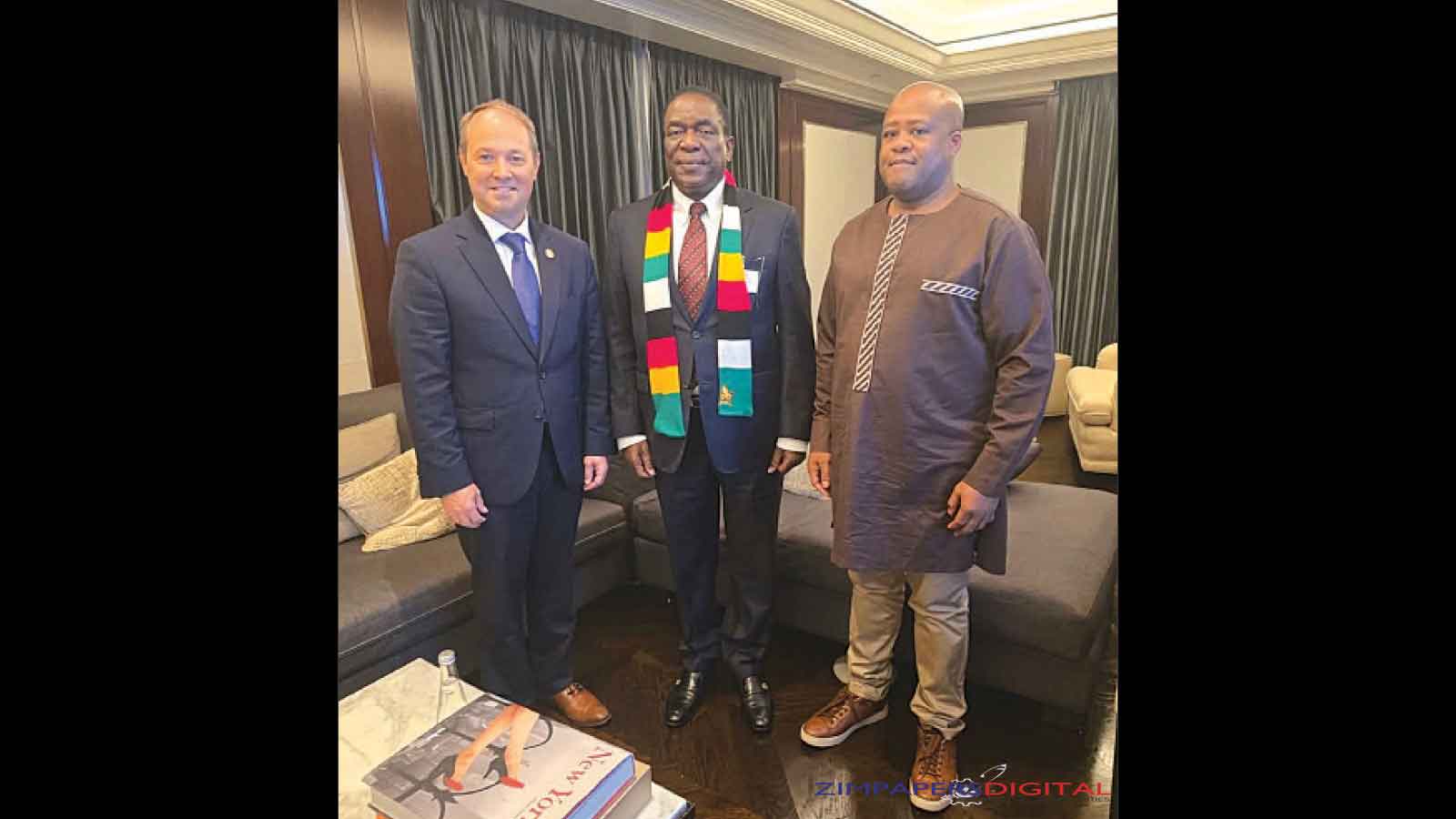
The icebreaker meeting between President Mnangagwa and Republican Congressman Marlin Stutzman on the sidelines of the United Nations General Assembly (UNGA) has proven to be a catalyst.
Congressman Stutzman’s subsequent report to President Trump, which reportedly sparked the idea of a business and congressional delegation to Harare, underscores a pragmatic shift in Washington.
The involvement of Massad Boulos, President Trump’s senior adviser for Arab and African Affairs, further indicates that the White House is serious about realigning its interests in Africa, potentially viewing Zimbabwe as an indispensable hub for the global energy transition and mineral security.
The normalisation of relations between Harare and Washington is not merely a diplomatic vanity project; it is an economic imperative.
A thaw in relations would provide the necessary impetus for the country’s debt resolution and arrears clearance strategy.
Without the political cover of improved US relations, Zimbabwe’s attempts to restructure its crippling debt with international creditors remain an uphill battle.
Furthermore, normalisation will catalyse trade, facilitating access for both business and the Government to wider international financial resources that are desperately needed to drive local development.
The irony of Zimbabwe’s current trajectory is profound.
For over 20 years, ZDERA and its accompanying sanctions were designed to cripple the economy and force a change in policy.
Yet, despite these coercive measures, the Second Republic has continued to march forward.
From the construction of major infrastructure projects like the Hwange Thermal Power Station expansion and the Beitbridge Border Post modernisation, to the unprecedented development in Mt Hampden, Zimbabwe has built a modernising economy in the face of adversity.
These are the hallmarks of a resilient nation refusing to be defined by its detractors.
As the rapprochement between Harare and London continues to gain pace — again, thanks to the relentless re-engagement drive — the rationale for US sanctions has evaporated.
The political dynamics that birthed ZDERA no longer exist, and maintaining sanctions against a nation that is actively courting Western investment is a counterproductive anachronism.
The coming months will be telling.
If the anticipated US delegation arrives in Harare, it will confirm that dialogue has replaced diatribe.
It is a moment of immense opportunity.
However, it also invites a tantalising thought: If Zimbabwe could make such incredible progress in developing its infrastructure and growing its economy under what were designed to be debilitating sanctions, imagine what it could achieve if these coercive measures are finally lifted.
The full unleashing of Zimbabwe’s potential awaits the day the sanctions fall — and that day now appears closer than ever before.