admin
admin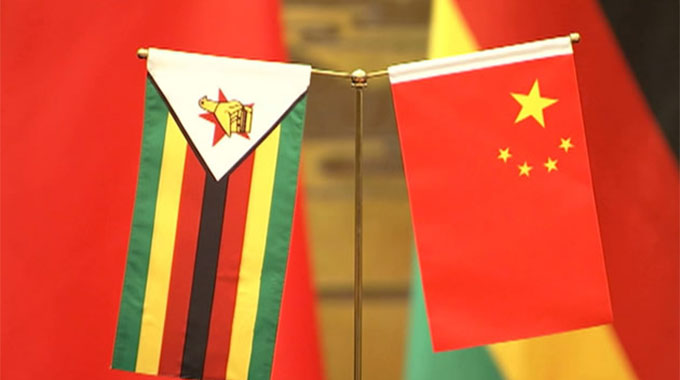
Sino-Zimbabwe trade is not just growing, it is also maturing in a new direction with Chinese businesses now importing more Zimbabwean goods and products than they export.
In the first six months of this year total trade grew 57 percent over the last year to reach US$973 million. But of that total and the combined increase, we find Zimbabwean exports to China just more than doubled to US$504 million, and while imports grew quite significantly, the percentage rise was 26 percent to US$469 million.
Several points need stressing. The trade in both directions was growing far faster than our economic growth rate or the Chinese growth rate.
Imports from China are now a larger percentage of our total imports, so we can assume that Chinese businesses and producers have the right products and services at the right price.
The second point to note is that the balance of trade is now in Zimbabwe’s favour. This is what it should be in trade between a country rich in raw materials and an advanced industrial economy. Now Zimbabwean producers are getting organised and that is showing.
The third point is that our exports were shooting up, 103 percent. Some of this is the better prices available for minerals and products like processed tobacco. But a lot of it must be coming from both hard marketing, and by the extra value we are adding to those raw materials before they leave Zimbabwe.
There is nothing wrong in being a supplier of minerals and raw materials. Even rich countries such as Canada and Australia make good money in that business.
What is wrong is shipping ores and partly smelted extracts. When a foreign customer wants, say, chrome they should be able to buy ingots of chrome. To an ever greater extent this is what Zimbabwe is doing, and if some of that value addition and upgrading of what we sell is a result of Chinese investment, and some of it is, then we can applaud.
That sort of investment, large and small, is the result of reorganising our entire investment strategy under the Second Republic so we can make investment easier. The idea that letting someone invest their own money in Zimbabwe was some sort of major favour needed to be sunk, and it was.
Of course investors need to follow the basic laws of the countries where they invest and behave like good permanent residents, but we have had negligible trouble from Chinese investors in that regard. In fact they like to show just how much they are aware.
But at the same time we do not need to make investment difficult. We need to make it as easy as possible and if there are labour, environmental and financial laws the investor needs to follow, then these need to be laid out very clearly from the beginning and there needs to be the least possible red tape and in fact agencies dedicated to steering the investor through what regulations and licences are considered essential. We now have most of this.
Chinese investment is building up, and we need to remember that this is independent business decisions.
The Chinese Government can help its business sectors by maintaining solid relations with Zimbabwe, just like we can help ours the same way in the opposite direction, and the Chinese have banking arrangements that support their business sectors and foreign trade.
This means, on our side, that we need to be the sort of country that pays its bills, and that provides the stability and financial muscle to cope with investment and trade. So these advances we have seen in both in the last four years since the advent of the Second Republic are important.
When business people are investing in a developing country, or when they are lending money to someone there or to one of their own companies to do something there, they will check the country out. A country with prudent national finances, a country doing something dramatic about required infrastructure, a country making corruption very much yesterday’s story, gets the boxes ticked and the investment and trade can flow.
China does have a few national co-operation programmes in Zimbabwe, but again one gets the impression that the Chinese Government likes to see its money spent effectively. It is again interesting that much of what we have been seeing is also post Second Republic. Zimbabwe is considered a reasonable place. The growing investment is critical. This ranges with at the top the huge investment being made by Tsingshan Steel, building the largest steelworks in the region.
The investment goes a lot further, since there is mining as well, plus the need to build a power station, plus the need to swing that power to the steelworks, and so it goes.
But Tsingshan were prepared to move in once the investment rules made sense and once the threat of corruption vanished. They must also have assessed that their investment was safe, and that includes that the country they were pumping such large sums into was a stable and law-abiding sort of place. Yes they needed extra infrastructure, but licences were there to build power stations, and the Government was keen to make other arrangements to ensure the investment worked.
Some of those sort of arrangements can now go into the investment book, the sort of thing we can offer others who want to come to Zimbabwe. And in any case word gets around global corporations.
There are some who are wary of foreign investment. But it does not really matter whether you bring in a foreign investor or whether you borrow the money instead. It costs around the same. Borrowing means you repay the loans, with interest; investment means you investor gets their money back plus a reasonable profit via dividends. The annual payments are roughly the same.
One advantage Zimbabwe has, which it must keep and enhance, is a skilled workforce right up the ladder. Foreign investors like to maximise their local workforce, for all sorts of reasons, but a major financial reason is that you just have to pay the local staff.
When you bring in foreigners there were all sorts of extras, like flying children home to boarding school, home leave at regular intervals, the problems of homesickness.
Tsingshan is already working on this. They have had to bring in a company team to set up the steelworks, but have already started recruiting the technical local staff who they are training to do most of the operational stuff once the mills are working. These are good jobs.
But another reason why being open to investment, pushing our infrastructure and making sure we have technically educated citizens, will be a major advantage is the African Continental Free Trade Area.
This will bring in free trade for African made goods and services. The rules or origin in free trade areas are keen on where things are made, but do not even refer to who owns factories.
So as AfCFTA builds up, Zimbabwe moves from a small market at the bottom of a continent to an agreeable place to set up your African operations, hire Zimbabweans, pay Zimbabwean taxes and get your goods moving around a continent with labels stating “Made in Zimbabwe”. We can accelerate our growth considerably by doing this.
Chinese companies are responding already, buying more and investing more, and should be in the front row as we grow.



 Online Reporter