

 admin
admin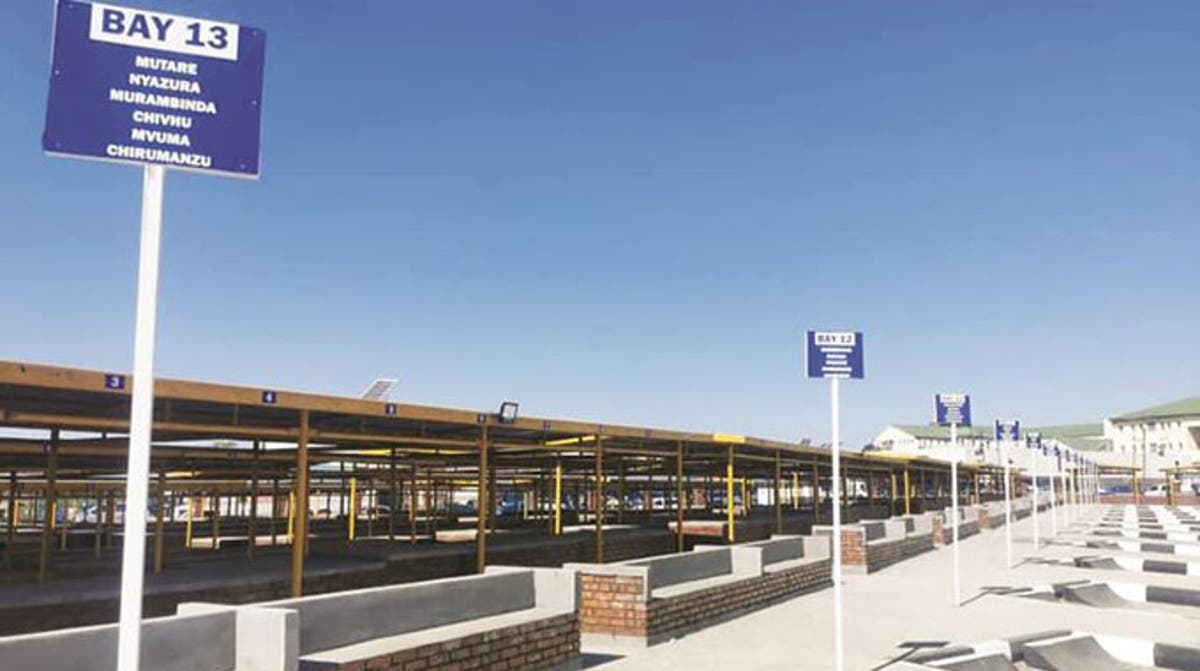
Although almost half the population of Zimbabwe lives in cities and the larger towns, their life has been getting less pleasant and more difficult in recent years for a lot of reasons, but these all end up meaning inadequate maintenance of facilities and services that were there and a reluctance to invest in new facilities.
Government itself under the Second Republic has been battling to ensure that when it says no area will be left behind this includes the urban areas. So we have seen some direct intervention, such as with the emergency road programme that has already seen most of the major roads fixed up, and in some cases totally rebuilt since the original construction was done by the councils on the cheap and with this work still continuing into the next level of roads.
The Government also moved into the urban public transport sector, relaunching Zupco and helping that company build up its fleet and, especially with the deal with National Railways of Zimbabwe, starting the long and expensive process of creating the sort of mass transit systems a country needs.
It has also seen the urban councils getting their fair share of the growing devolution funds and other support from central Government so they can start catching up on years of neglect and this time build better and do it right.
Gweru City Council has shown with the rebuilding of the Kudzanai Bus Terminus the things that are possible when a council, the private sector and the Government work together. President Mnangagwa, who presided over the official opening this week, was impressed, as he usually is when those doing something do it properly and do it right.
There are a number of factors to note over Kudzanai Terminus. For a start a decision made to do what amounts to a complete reconstruction, rather than just patch and hope for the best. Times change, people these days want and need something a lot better than was inherited from the colonial era, so often a run-down facility needs to be replaced.
The second was the co-operation with a reputable private company, properly vetted and selected, rather than just choosing someone’s brother-in-law. Corruption not only sees money vanish into the wrong pockets, it also tends to produce substandard work. With the proper contractor, you start getting commercial guarantees. Bentach Resources will no doubt want to do other work in the private and public sectors and being able to show people what it did at Kudzanai will help it win business.
The third is recognising that bus travel is no longer some hit or miss affair where buses load on the side of the road. A decent terminus with paved and demarcated areas for parking and loading, plus all the facilities for cleaning buses and for electronic payments, is a serious modern facility. The enclosed area also means that the problem of touts and the like ceases to be a problem. The fourth was a high level of imagination over the requirements of the microbusinesses and small businesses, most of whom are seen as part of the informal sector or the semiformal sector although at a certain point they become small, sometimes very small, more formal businesses.
Many Zimbabweans earn their living in these sectors. But erecting illegal shacks on verges and open spaces and setting out blankets on the pavements not only creates a nuisance, but also safety and health hazards. Less than brilliant ideas, like trying to shunt them all to some place kilometres away from their customers on a road no one uses as Harare has mulled several times, is not going to solve the problem.
These businesses, like all businesses, need to be near their customers and a major bus terminus obviously is a place where a lot of people congregate and where a lot of the sort of business that the micro-sectors do can take place. So putting in place more than 800 market stalls and around 300 booths in a flea market was a smart move.
Of course there has been concern over the fees charged, which are not that high but have raised questions with the President himself hoping that they would be affordable and not kill the businesses they were supposed to help. A lot will depend on what the bus companies and the stallholders get for their money.
It is critical that such a complex is properly maintained, kept clean and has those basic facilities of running water, electricity and proper ablutions. Both the business people, their customers and the passengers want decent security. So those paying the charges must realise that this sort of service is not free. And there are those taxes that are collected at source, and are usually part of the daily rent.
The City Council of Gweru needs to do its part to make Kudzanai a success. Besides collecting the garbage and ensuring the lights stay on and the water flows, with the security at the terminus good, it also needs to look at the surrounding environment and area.
If renegade bus owners and kombi operators are allowed to park on the verges of surrounding streets, instead of using the terminus, or if informal traders are allowed to erect their illegal shacks, put in their boxes for stalls or spread their blankets on the pavements, then we will not be winning.
For a start, illegal activity simply retains the health and safety hazards were are trying to eliminate. But it is also grossly unfair on those bus companies and micro-businesses who are ready to play by the rules. This is not to say that competition should be banned. Respectable private business premises in the surrounding area, the sort of things that pay rates and taxes, can be encouraged and the terminus can be the centre of a growing commercial area.
One interesting point, and the President did mention this as an aside, is that almost all urban areas had a majority of their votes at the last election given to the opposition. But the Government has been making it clear in all its programmes to upgrade the lives of people that when it comes to Government programmes no one is looking at voting figures or who supports which party. The sole criterion is that Zimbabweans need a better deal and they can all participate.
In his capacity as head of Government, President Mnangagwa has repeatedly made it clear by the example he sets that he will work with anyone who shares that basic vision, is prepared to put in the work and is honest. But what he wants is results, and he made that clear when he mentioned that $19 billion was paid out in devolution funds this year and $43 billion is budgeted for next year.
Devolution funds are basically there to improve infrastructure and facilities, providing the capital that councils and the people they are supposed to serve need. With this cash being made available, the President, and most people, are tired of excuses, and like the President we want to see action and results. Smart cities require some smart decisions.


 Online Reporter