Online Reporter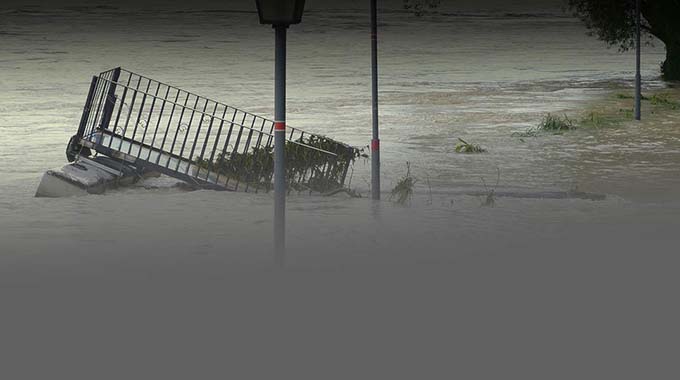
AFRICA is growing up fast, taking responsibility for ameliorating suffering on the continent and finding solutions to local problems, rather than sitting back and waiting for others to take action.
We are seeing this right now, with the severe floods affecting the flatter and low-lying areas of Malawi and Mozambique, where the scale of the climatic disaster has exceeded the rapidly rising capacity of both countries to cope. So both issued appeals for help and Zimbabwe is responding.
President Mnangagwa broke his annual leave to initiate the assistance, and based on his own experiences knew that the most essential part of any action was to get vitally needed supplies and services into the hard-hit areas quickly and promptly.
While longer term assistance is useful, what is really needed is for the food, temporary shelter and other aid to be delivered within a few days, to save lives and help provide breathing space, while the hit-country mobilises for the long haul as normal supply lines are restored.
A tonne of maize meal today can make a far bigger difference than the same tonne delivered in due time.
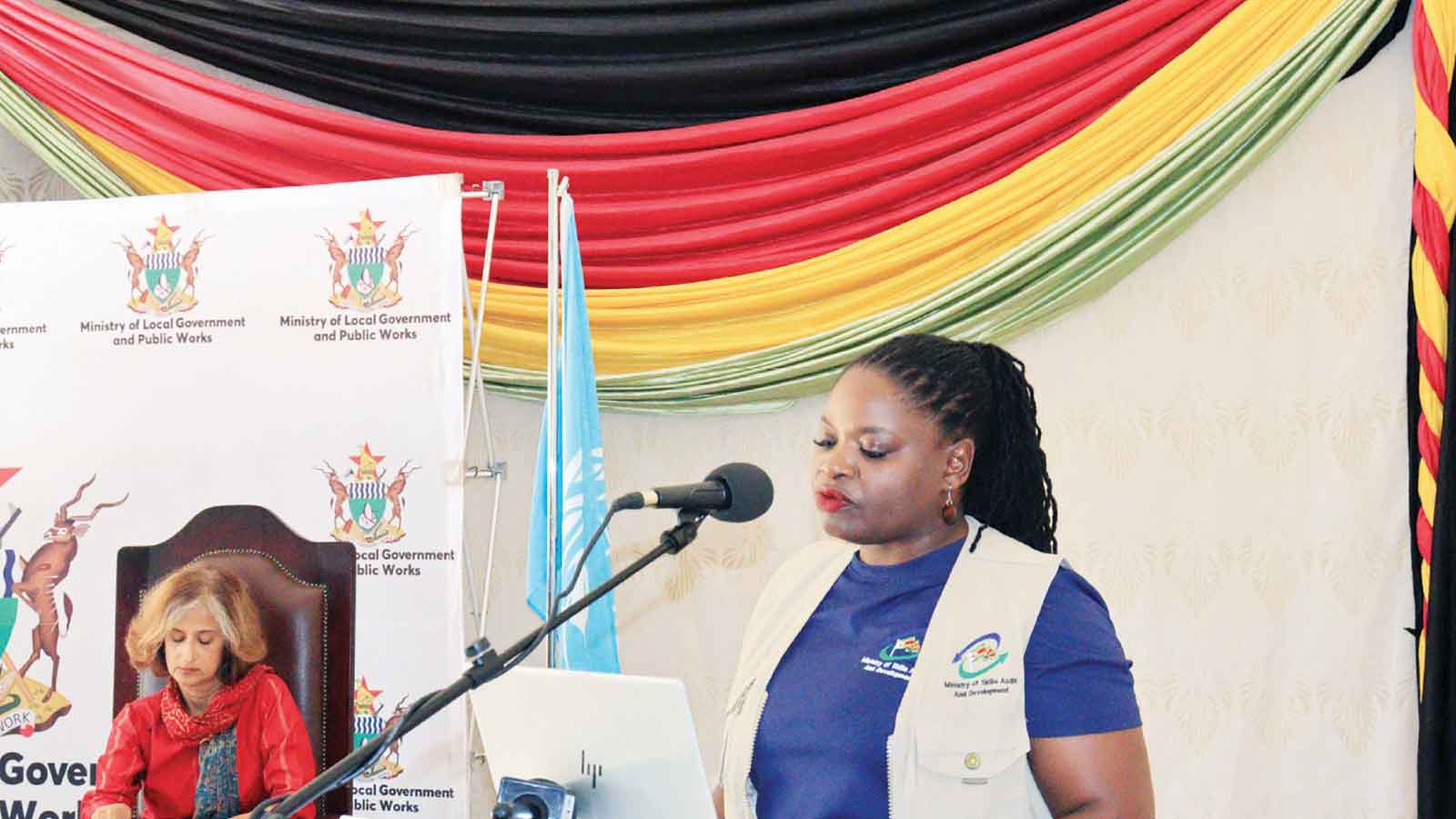
So Zimbabwe has already been sending in shipments of basic food and other help like tents. A unit, ZimAID, was created a while ago so that the necessary action could be taken as soon as it was authorised, with all the required extras like accountability and the like.
So when the President gave the authorisation the system responded fast.
SADC has been alive to the need for the region to stand together and started in 2011 setting up the required structures so that talk could be converted into action reasonably promptly.
This regional programme of risk assessment and coordinated action spans several SADC organs, but the central concept is that yes, we are our brother’s keeper, and yes, we do have duties to help one another as a family and as neighbours.
There was a time, not many years ago, when African countries hit by natural disaster would seek aid exclusively from former colonial powers and international agencies, that is from outside Africa.
That fortunately started changing a while ago as Africans seeking self-respect started helping each other. So the cut backs in so much international aid have not been fatal, but rather pointing out the need to grow our own regional and continental support.
There is the need to build up regional stocks of supplies for humanitarian aid, remembering that it is, regardless of what others do, far easier to load trucks and send them next door that have complex logistical arrangements that are difficult to implement or can only deliver when the immediate emergency has retreated.
But we also need to build up among ourselves resilience to climate change and the associated disasters. We have all been on a learning curve and have between us gained a lot of valuable insights and ways we can first avoid the worst and then build better to stay ahead.
This is one reason why those more academic meetings of experts have proved so useful. Although in the end political leaders have to make the decisions, they will make the right ones when they are given correct information backed by solid experience.
Our regional climate is undergoing huge swings from year to year. Last season most of SADC was hit by drought, with the central belt that includes Zimbabwe very severely hit.
Floods were far way in the past and the future. What was required was that regional food surpluses could be bought by neighbours needing to add to what they were growing, and that was achieved. A lot of what Zimbabwe had to import was grown by farmers in our region.
We need to be looking at ways of controlling floods in the region. That could well mean we impound more water in the flood years in dams and the like so that we have larger reserves in the drought years. And some of those dams can be upstream and next door. Some of the Mozambique floods, for example, were along rivers rising in Zimbabwe and South Africa.
We can also pass on among ourselves ways to stop people settling in the path of future flood waters, so that when rivers do break their banks the farmers can just watch the swollen waters drain away.
Already national and regional warning systems have changed what might have been huge losses of life in the past to modest casualties, although many people had to evacuate and flee with very little and so needing food and emergency shelter.
One advantage of building up regional stocks of emergency aid is that we do not know who will be hit next, but if the stuff is there, we just ship it when needed.
It is a bit like insurance when we cover the risks faced by a lot of people, all paying a little rather than expecting the minority who need help to bear the far higher costs. Self-help can also be the economic solution, as well as doing what is moral and ethical and caring.