admin
admin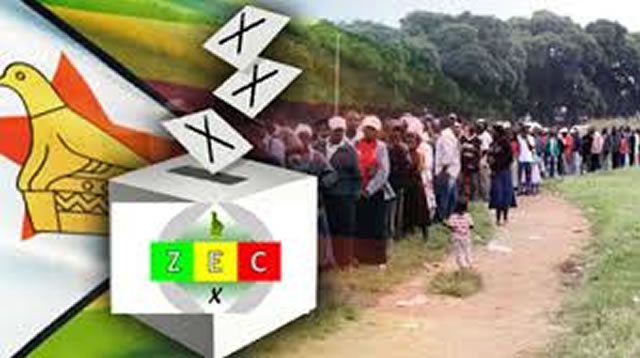
WE salute Zimbabweans who came out in their thousands to vote for candidates of their choice in by-elections held in 16 constituencies countrywide.
They exercised their democratic right in peace and shamed detractors who mistakenly believe they hold the key to the legitimacy of the electoral process.
Over 50 000 sons and daughters of this land paid the ultimate price during the Second Chimurenga as they fought for one man, one vote among other civil, political, social, cultural and economic rights we were denied by the Smith regime.
We hail the voters even more for ignoring the childish call by the self-styled democrat, MDC-T leader Morgan Tsvangirai, whose actions and conduct show he is to democracy what Lucifer is to Christianity.
We are, however, not surprised that Mr Tsvangirai would belittle the vote because by his own admission, in his memoirs — At The Deep End — he chose to work in the textile mills and mines of Rhodesia for 15 Rhodesian dollars as other youths his age crossed the border into Mozambique to wage the struggle against the Smith regime.
Tsvangirai’s reason: His family needed the money.
And we wonder if the thousands of young men and women, some of whom left well-paying jobs and studies at university also did not need money?
They did but they valued their country, independence, sovereignty and dignity more than the crumbs from the baas’ table.
That attitude defines Tsvangirai’s approach to national issues to this day which is why it came as no surprise that he was on a campaign of urging people to ignore the vote, or if they felt the need to cast a ballot to go and spoil the papers.
Tsvangirai does not know the price that was paid for that vote. Thankfully the generality of Zimbabweans do, which is why they turned out in their numbers to vote in the by-elections.
Such irresponsible utterances coming from a man who wants to build a career on the back of claiming to be a long-suffering democrat deserved censure from all right thinking people, not least the NGOs that claim to be proponents of electoral democracy.
But the quasi-political groupings lost their voice; the same way the so-called women’s groups’ lost their voice when Tsvangirai was busy treating his lovers’ like doormats.
The reason is very simple; these groups were formed to abet the regime change agenda to which Tsvangirai is the face.
All self-respecting political parties know that their primary reason for existence is to contest for political power, and the only way to legitimately come to power is through the ballot.
This leaves us wondering how the MDC-T, that considers itself an alternative to Zanu-PF, hope to realise its dream of presiding over the affairs of this nation if as the party claims it abhors elections.
More so the party’s call for so-called electoral reforms can only find purchase in the corridors at Harvest House for everyone knows the MDC-T leadership were part of the biggest reform this country has seen since independence, the drafting of the new Constitution.
MDC-T leaders were also party to the amendment of the Electoral Act, which is why they duly participated in the harmonised elections held on July 31, 2013 before making a volte face after their devastating loss to Zanu-PF.
The talk of reforms is thus a red herring meant to mask the party’s fear of further electoral embarrassment.
Any serious political party would know that the institution to direct or influence reforms is parliament, and it is a numbers game in the august House.
To the MDC-T we say, it’s time to introspect on whether you want to remain a virtual protest movement masquerading as a political party or transform into a progressive political party that not only respects the nation but its institutions and processes as well.


 Online Reporter