admin
admin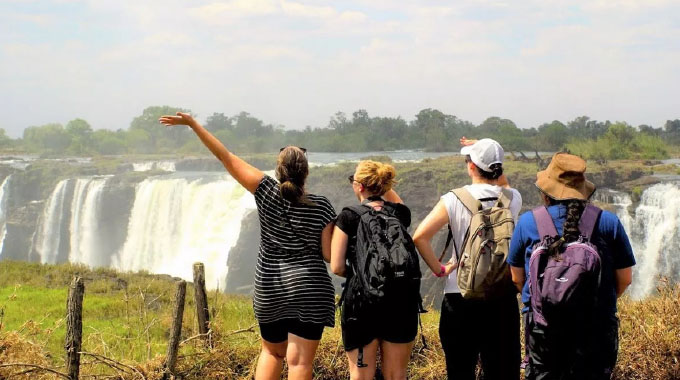
THE rapidly growing number of tourists coming to Zimbabwe is partly fuelled by the attractions of the country and the determination to expand and market these, but also is a direct result of the peace, tranquillity and normalisation of life in Zimbabwe.
A really bad press can severely damage tourism by making far too many people think seriously about giving Zimbabwe a miss. And that did happen at one time, even though foreigners and foreign visitors were never affected by differences within the country. It is the perceptions that count.
The last five years under the Second Republic have been changing these perceptions a great deal, which is why Zimbabwe now has the fastest growing tourism industry in the world, meaning that the percentage growth each year in arrivals and bed-nights is the highest.
This does tie in quite well with the elections this week. The prevailing peace in the run-up to the polls shows that Zimbabweans are peaceful and can manage their political differences as a proper democracy, where people do differ, but in words not in punch ups.
Having a peaceful day of polling on Wednesday and then a peaceful aftermath as votes are counted and announced will cement this important image, that we are grown ups.
Tourism has a lot of advantages for a country like Zimbabwe. Compared to the sort of investment needed in something like mining or even manufacturing, the proper investments in tourism generate larger revenues fairly quickly. It is what a farmer might call a high-yielding investment.
The second area of importance is that tourism is very labour intensive. You cannot mechanise much in an industry that relies so much on personal service. In fact the payroll is easily the largest single cost for those in the industry.
All this means that growing tourism generates a lot of new jobs, and even entry level positions, the lowest paid obviously, find more applicants than vacancies.
The number of people benefiting from tourism go beyond those directly employed in providing the services. A lot of other people also earn some or all their income from tourism, from farmers who make sure that hotels have quality fresh food, through those who supply other goods and services, to those who are just doing their own job, but which tourism receipts can make a lot easier.
Rising numbers of tourists, for example, can certainly pump more money into ZimParks and the National Museums and Monuments. Entry fees are modest by global standards, and should remain accessible to all, but every extra person is extra money for conservation and upgrade.
The Second Republic’s infrastructure upgrades are important. Arriving at a functional efficient airport, or driving through a functional and efficient border post, is a good start for a visitor to Zimbabwe.
Being able to move around the country on decent roads is definitely a plus, and having a 24-hour power supply at your hotel is expected.
All of these improvements were put in place, obviously, primarily for Zimbabweans, but they are also attractive to foreign visitors who do have expectations that things will work in countries they visit.
The decent roads also open up more areas for tourism, so someone wanting to spend a couple of weeks in Zimbabwe, or hang around for a few days after a major conference, can get to see more than the Victoria Falls and the elephants in Hwange National Park.
A lot has been said about the rise in business travel, with Zimbabwe becoming a more important conference host and business destination. This is true, but here more needs to be done for both international visitors and Zimbabweans. Victoria Falls might be a very attractive city, with the tourism industry for all practical purposes almost running the local authority.
But when you stay at upmarket hotels in our cities, and several cities have facilities to take advantage of the conference and business travellers, there can be problems arising from the incompetent councils.
You stay at a five-star hotel in Harare and then decide to go for a stroll. If you are desperate to see litter, cracked pavements and street vendors selling cheap imported goods perhaps you will find the stroll interesting. Most people will probably be put off.
This does not mean Zimbabwe should try to be a clone of a global lifestyle. We are an African country and our cities are African cities. But being African does not mean we like living in rundown environments with a thick coating of litter and peeling paint on the buildings. Zimbabweans are not that impressed either with that sort of environment.
We should not underestimate the history of parts of our city centres, and how attractive they could be. Both Harare and Bulawayo, for example, have some gems of historical architecture and there could easily be tour routes through the central area where someone could get around.
Decent city councils that could keep infrastructure under repair, force property owners to at least look after their buildings and collect the garbage would a major help in improving the urban Zimbabwean image. In any case their own residents would enjoy that.
This might be a niche market, but then most Zimbabwean tourism is and will continue to be a collection of niche markets.
Mass tourism is unlikely to ever take off in a country at the bottom end of a continent, even with the vastly improved airline communications that the open skies policy of the Second Republic has encouraged. We should also not neglect regional links.
For example, Botswana has more tourists visiting than we do, and the tourism industry in that country not only markets its astonishing natural attractions, mainly built around wildlife in spectacular environments, but often manages to fit in a visit, a day visit unfortunately, to the Victoria Falls where the visitor has breakfast and dinner in Botswana. We need to build the relationships so they spend more time in both countries.
There have been interminable discussions about spreading our marketing, in particular to Asia, a continent with the fastest growing number of reasonably well off people. These are possibilities that need to be explored more seriously, including more Zimbabweans taking language lessons.
While our own international official language, English, is the main international language, people still like to be able to get details of our attractions in their own language and have someone who can explain in that language.
We also need to consider the sort of attractions that people from a wide variety of cultures might like to see, and then see how we can put that sort of thing together but in an African environment and an African twist.
In other words what we are doing, and what we have been doing for the past five years despite Covid-19, has seen our tourism industry grow very fast. But we can grow it even faster if we can get more things right.


 Online Reporter