Online Reporter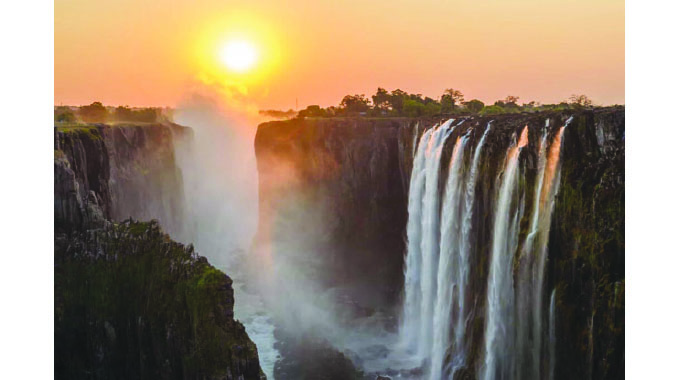
TOURISM has become a major sector in the modern Zimbabwean economy, with fast rates of growth as international arrivals rose 11 percent last year to 1,6 million and the revenues rose to US$1,2 billion, putting the sector into the same range as what farmers get paid for their tobacco.
But there is room for a lot more growth, with President Mnangagwa highlighting the need to include a lot more of Zimbabwe’s natural beauty, wildlife, heritage and cultural richness in the accessible options we give our international visitors.
The President was opening the 18th Sanganai/Hlanganani/Kumbanayi World Tourism Expo in Mutare, the first time this premier showcase of Zimbabwe’s tourism destinations and services has come to the Eastern Highlands, a point he stressed when he urged the industry to widen its base.
Everyone who travels knows where the Victoria Falls are and knows that visitors to that magnificent natural wonder can, whichever side of the border they visit, see nearby concentrations of wildlife.
So the Falls are one of Africa’s primary attractions with any marketing largely being over the extras that the hospitality industry in the area can add to create a more valuable visit.
But that leaves most of Zimbabwe where few in the general global tourism markets have any idea of what is on offer and what new experiences, or additional experiences if they are a Falls visitor first, can see and take part in.
The decision to start rotating the Sanganai/Hlanganani/Kumbanayi World Tourism Expo was a very smart move, not so much as to make sure every province has an opportunity to host it, as is the case with other rotational fairs and events, but to make sure that Zimbabwe’s full range of attractions can be seen and accessed by our guests and that Zimbabwean service providers and the like can showcase what they have to offer.
The opportunities raised by the decision to use Mutare as the centre of this year’s exhibition saw some solid work by Government, State enterprises and the private sector.
Grand Reef Airport, long nothing much more than a military base in the east, has had the runway extended so decent-sized civil airliners can land along with the extra passenger facilities that are required.
The very name of the area, the Eastern Highlands, tends to make it clear that finding level ground for airports is not that easy, but Grand Reef is not that far from Mutare and other infrastructure upgrades, such as the additional access route to Christmas Pass, means that people can get from this airport to the hub city fairly quickly, building up traffic.
The National Railways of Zimbabwe also took the opportunity to lay on special tourism passenger train that can bring people across a large stretch of Zimbabwe into the mountains, again adding value to a holiday or to attendance at some event.
Mutare city has facilities to tap the conference and meeting traffic, as does part of Nyanga district, and there are possibilities right down the line of the mountains that need to be exploited.
The President brought up other requirements and opportunities when he toured the stands at the expo, which found a suitable host with Mutare Sports Club, and noticed the growing number of Zimbabwean businesses now ready to exhibit and meet the buyers who fly in for this sort of event.
His business advice of buttonholing the visitors to find out exactly what they think might sell best and to make sure that Zimbabweans were meeting the desired standards went to the nub of the matter.
Zimbabwean businesses are facing competition not just locally and regionally, but across the entire globe. So they must be able to treat their clients and customers right, giving very good value for what they hope visitors will spend.
How we meet this need to expand the breadth of our industry and the depth of what we offer will be critical to maintain tourism as the fastest growing economic sector.
And the high levels of growth are important, not just because the Zimbabwean economy must grow if we are all to win through the upper middle income economy and society we desire, but because tourism is a sector where a lot of people can participate.
While major investors are needed for large hotels and conference centres, a great deal of what is on offer comes from the medium and small businesses, who are able to offer highly personalised services.
This means that smaller businesses, with a good reputation and high levels of knowledge, can be as profitable considering their size and the largest hotel chain.
This means quite modest Zimbabwean businesses can be sitting at the same table as the largest investor.
While major investments do create jobs and tourism is famously a labour intensive industry, the addition of a lot of other businesses also builds up wealth creation and value addition and accelerates the economic growth that tourism can bring.
But as the President stressed, the Zimbabwean businesses need to be able to meet market demands and probably need to be innovative in collaborations for marketing, so they are noticed.
This will be important in the community tourism we are now starting to see, and in a fair amount of the cultural tourism that needs to be properly marketed to win.
A far more complex tourism sector, encompassing the whole country and a having a wide range of providers will give our visitors something extra-special and something unique, and every visitor probably has slightly different demands and wishes, so there is plenty of scope for being able to tailor unique offerings and combinations.
In any case, treating every visitor as someone special gives us an excellent start when we compete in global markets, and so long as we then deliver we will build up our reputation even faster as a country that is well-worth visiting and one where a visitor can spend a lot more time than what is needed to just visit the major attractions.