admin
admin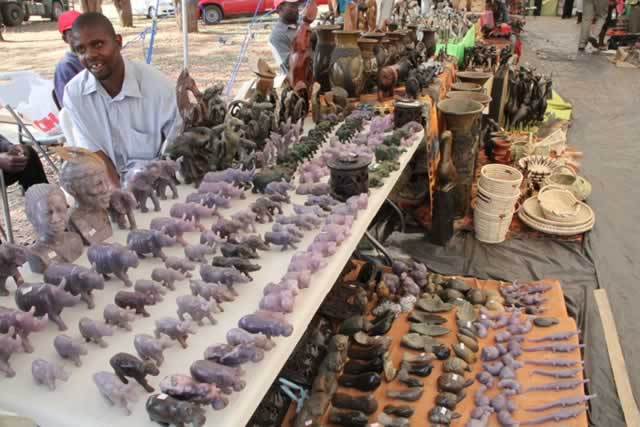
The collapse of industries across the country has seen the rise of small and medium enterprises. Thousands, if not millions of Zimbabweans who lost their jobs in the formal sector have turned to the informal sector to eke a living. Some estimates put the percentage of people earning a living from the SMEs sector at more than 85 percent.
Recognising the importance of the SMEs sector, President Mugabe set up a fully fledged Ministry to promote the SMEs sector.
However, despite the existence of this ministry, operations of the SMEs have remained largely informal and haphazard. Apart from providing a livelihood for their families and a few of their employees, who are grossly underpaid, most SMEs are not making a meaningful contribution to the growth of the national economy.
Some, mostly involved in the selling of imported goods such as clothing, are involved in the smuggling of these products, depriving the government of import duty.
Very few SMEs contribute to the fiscus in terms of taxes despite the fact that they are making more than what ordinary workers are earning.
In other countries, especially in Asia, SMEs are the anchor of these economies. The same can happen in Zimbabwe if order is brought to the sector.
The decision by the Ministry of Small and Medium Enterprises and Co-operative Development to register SMEs is a step in the right direction.
A data base of SMEs will allow authorities to monitor operations of these small businesses.
The inclusion of the Zimbabwe Revenue Authority in the registration process means that SMEs would also be captured for tax purposes.
We believe that every working Zimbabwean, whether in the formal or informal sector, needs to play their part by contributing to the fiscus. The government is desperate for cash to push its development agenda and with revenues from the formal sector drying up due to company closures and depressed capacity utilisation, SMEs must rise to the occasion.
Cat and mouse games that are common between the police and players in the SMEs sector should also come to an end because by virtue of their registration, it means that the law recognises their operations.
It might be necessary for local authorities to amend archaic by-laws enacted during the colonial era which discouraged vending and hawking. Councils also need to provide suitable space which is accessible and convenient to customers for SMEs to operate in.
Hiding vending bays in the periphery of the CBD will not help the cause.
We hope following the registration of the SMEs, the responsible ministry will scale up its activities to raise the profile of SMEs. We believe that at present, there is a narrow definition of SMEs in the country to mean street vendors and hawkers.
There is a need to promote the establishment of high tech manufacturing SMEs in the country. This can transform the country and turn it from a net importer of manufactured goods to a net exporter.


 Online Reporter