

 daniel chigunwe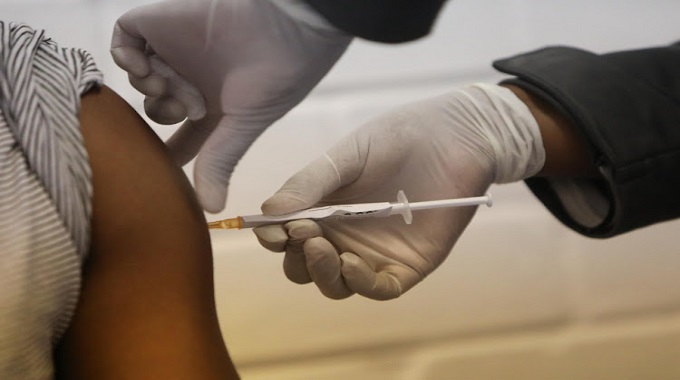
THIS last week of April is set aside as African Vaccination Week, part of World Immunisation Week, and is built around the determination to build on the incredible successes of the past half century and the need to continue pushing so that all African children are vaccinated against the major killer diseases.
Zimbabwe is reasonably fortunate in that with its chain of primary health clinics and strong public health culture, almost all children are vaccinated, and has made strong inroads among those communities where there has been religious opposition to medical care, including vaccination, with health workers within the community taking the lead.
Whatever the status of external aid schemes, Zimbabwe will continue to support and implement mass vaccination of all children as a standard policy, with no child left out or left behind. And as new vaccines become available, driving back yet another disease, these vaccines will be added to the essential list for all children.
There are still areas in Africa where vaccination is not universal, mainly in conflict zones, and this is another dreadful result of conflict, sick and dying children who did not need to fall ill in the first place.
Generally speaking, Africa is probably the most enthusiastic continent when it comes to vaccination as so many can still remember the days when most children were not routinely vaccinated and the sickness and illness and deaths that occurred, along with those who had to live with blindness from measles and physical disabilities from polio, things that younger generations might find hard to believe.
Besides the overwhelming priority to give every child the best chance of a healthy life, vaccination is also the best value for money spent on health services, preventing the most common diseases that can kill and harm. If you do not get sick, then you do not need complicated and potentially expensive health care. Prevention is not only much better than cure, it is a lot cheaper, so both humanitarian and economic goals can be met.
The dangers now facing universal vaccination are centred on misinformation. We saw some of that with the Covid-19 vaccinations a few years ago, with even some Zimbabweans listening to the false information peddled by some social media influencer, usually American, rather than listen to people highly qualified in public health and disease control.
We now have the richest country in the world, the USA, dealing with of all things a measles outbreak with children dying largely because of fake information and downright lies spread by conspiracy theorists and by people who refuse to follow near universal medical advice.
Again social media groups are the centres of these fatal fake medicine theories, and perhaps not enough is being done to combat their dreadful influence on social media. Sometimes those who do know need to enter the fray and take advantage of the same access that social media gives to make the case for what is right and proven.
But there is also the problem of success. Some people and some parents might not get very excited about immunisation because they have been born and brought up in a world where these old diseases that killed and maimed have largely been pushed right back, almost although not quite into the history books.
In some ways Zimbabwe recognised this when it adopted a whole range of policies for all children in the 1990s. Every single child, regardless of whether they were in the public health system or were taken to private doctors, had the same medical card tracking their height and weight, and their initial and follow-up vaccines.
The card was handed out at the clinic or hospital where the child was born or was first checked out, and ensured that almost all children regardless of background, went through the system set up to ensure a far healthier population. So best practice became universal. Those healthy babies from that era need to remember this now they are parents and give their own children the same head start.
For Zimbabwe this vaccination week is just a time to take stock, work out where we are still behind and which communities and children might be missing out and why, and then push ahead to fill in any gaps while we maintain the systems we have developed over the past 30 plus years to get the right vaccines to the right places at the right times.
That logistical chain, which often involves keeping vaccines refrigerated until need, is important as we saw with Covid-19, where because we were able to handle as a matter of routine the distribution of vaccines to all parts of the country we could easily cope with a new vaccine for a new disease. This is important and new diseases do crop up, as well as new vaccines for old diseases. Like the cholera vaccine now making its way into our health chains.



 Online Reporter