admin
admin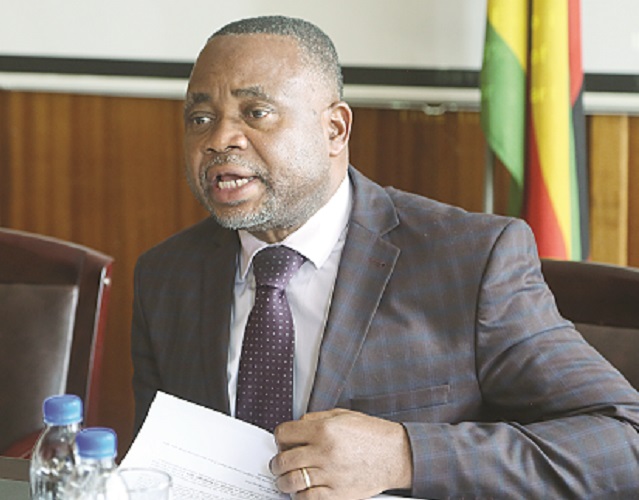
Government this week started distributing learning materials to 5 000 rural schools to meet the requirements of the new education curriculum. Primary and Secondary Education Minister Professor Paul Mavhima said the materials are being distributed to disadvantaged schools.
Prof Mavhima said most schools with resources had sourced the required materials and the teaching of the new curriculum had already started. The Minister said there was no going back on the implementation of the new curriculum which he said was the backbone of the country’s social-economic transformation.
He said reverting to the old curriculum was tantamount to dragging the country to the 19th century. Prof Mavhima said Government which was working with other stakeholders to ensure schools have the required materials and equipment, had also come up with a facility to train teachers so that they can effectively implement the new education plan. He said this facility meant to equip teachers with the requisite skills to teach new curriculum pupils, has been in place since 2014 and the first group of teachers to undergo training is expected to graduate this year.
When Government started implementing the new curriculum last year, there was stiff resistance from stakeholders that included teachers, parents and even pupils. What is encouraging is that after a few months, most stakeholders now appreciate the relevance of the new curriculum to the country’s socio-economic transformation.
Many teachers have confessed that they were resisting the new curriculum from a point of ignorance and now appreciate the immense benefits of the new education plan.
We want at this juncture to implore parents and other stakeholders to complement Government efforts to provide the required materials and equipment especially to rural schools so that no pupils are disadvantaged. The new curriculum is largely based on the recommendations of the Nziramasanga Commission of Inquiry which was set up by Government in 1998.
The commission concluded that the country’s education curriculum had outlived its purposefulness. It was against this background that Cabinet approved the new curriculum. The work of universities and other institutions of higher learning has now been made easy following the implementation of the new curriculum.
The new curriculum fosters entrepreneurship and opens up opportunities for pupils to be skillful and innovative. The task of universities and other institutions of higher learning is just to further develop these skills in line with the immediate economic development challenges.
The thrust now is for the education system to produce skilled entrepreneurs who create jobs as opposed to seeking employment and what is encouraging is that this is starting at primary school level right up to university.
Universities and other institutions of higher learning therefore have no excuse for failing to produce graduates demanded by our economy. President Emmerson Mnangagwa early this year challenged universities and other institutions of higher learning to provide education and skills that are relevant to the country’s immediate economic development challenges.
Cde Mnangagwa said education should be productive, responsive and relevant to the society’s needs for present and future generations.



 derick.khumalo