


 Online Reporter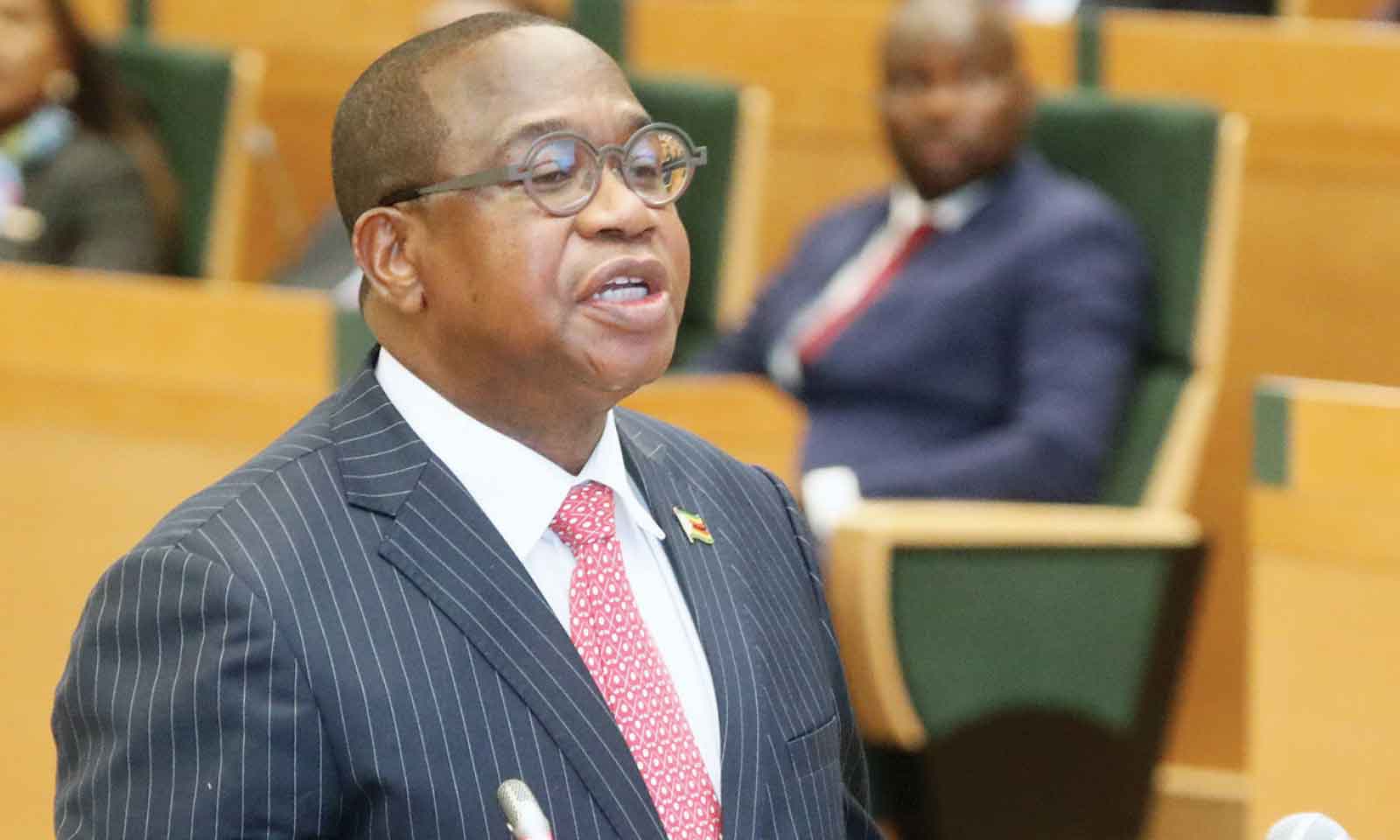
FOR decades, Zimbabwe’s economic narrative has been dominated by tales of hyperinflation, currency instability and crippling external pressures.
However, today, a new and profoundly hopeful story is being written.
The convergence of several powerful positive milestones — record-breaking gold prices, the historic return of single-digit inflation and surging foreign currency earnings — is not merely a stroke of luck.
It is the powerful, positive soundtrack to an economy that has, by all credible metrics, turned the corner and is now poised for take-off.
As the nation embarks on the critical last mile towards its Vision 2030 of an empowered, upper middle-income society, the foundations for sustainable growth are being firmly laid, with tangible benefits finally within reach for the ordinary Zimbabwean.
The global economic winds, often a source of turbulence, are now filling Zimbabwe’s sails.
The devaluation of the US dollar and the investor flight to the safe haven of gold, with prices breaching US$5 500 an ounce, are tailwinds of historic proportions.
For a nation where mining contributes over 60 percent of foreign currency earnings and gold is the top export, this is a transformative boon.
As economists have rightly observed, this dynamic automatically strengthens the gold-backed ZiG currency.
More directly, the Government’s tiered royalty system ensures that windfall gains from prices above US$5 000 translate into hundreds of millions in additional revenue for the fiscus.
This is not abstract wealth; it is money that can build infrastructure, fund social services and retire debilitating debts, directly impacting national capacity.
Critically, this external boost is being harnessed and amplified by disciplined domestic policy — a synergy that marks the true turning point.
The announcement that Zimbabwe has achieved a ZiG inflation rate of 4,1 percent, its first single-digit reading since 1997, is nothing short of monumental.
This is similarly not fortuitous.
It is the direct result of what Finance, Economic Development and Investment Promotion Minister Professor Mthuli Ncube calls “concerted and consistent efforts” in fiscal and monetary coordination.
Prudent fiscal management has controlled deficits, while the Reserve Bank of Zimbabwe’s disciplined backing of ZiG with ballooning reserves — from US$276 million to US$1,2 billion in just eight months — has built tangible trust.
The narrowing parallel market premium from over 140 percent to around 20 percent is the clearest signal from the street that confidence is returning.
For the ordinary citizen, these macro-economic indicators must translate into daily life improvements, and the pathways are now clear.
First, price stability is the most immediate benefit.
The prices of essentials like bread, mealie meal and detergents have barely budged in 12 months.
This preserves the purchasing power of salaries and savings, ending the terrifying erosion of wealth that haunted generations.
Families can now plan their budgets without fear of their money becoming worthless by month’s end.
Second, economic growth driven by mining and stabilisation will catalyse job creation.
Increased mining royalties and corporate cash flows mean expanded operations and investment in sectors ranging from agriculture to services.
The stability that enables businesses to plan long-term, as noted by analysts, is the prerequisite for the capital investment that creates employment.
Furthermore, the rise in foreign currency earnings to US$16,2 billion enhances liquidity across the economy, making it easier for businesses to import raw materials and machinery, thereby stimulating production.
Third, the strengthening of ZiG and the increased availability of foreign currency promise to gradually reduce the economy’s debilitating dollarisation.
A more stable and trusted local currency simplifies transactions, reduces transaction costs and allows monetary policy to function effectively for the benefit of the domestic economy.
As reliance on the US dollar eases, the nation reclaims a vital tool of its economic sovereignty.
But, for Zimbabwe, the real test is preserving these gains.
The current boom must be managed with continued discipline.
Revenues from high gold prices must be invested wisely, not squandered.
The fight against inflation requires eternal vigilance.
Policy interventions must focus on attracting foreign direct investment into mining and beyond, transforming momentary commodity luck into lasting industrial capacity.
Zimbabwe stands at an economic inflection point unseen in a generation.
The alignment with Southern African Development Community (SADC) macro-economic benchmarks signifies a return to regional normality.
The combination of a favourable global commodity cycle and finally getting the domestic policy mix right has created a unique window of opportunity.
This is more than just a positive trend; it is evidence that the economy has stabilised and is now launching.
For the ordinary Zimbabwean, it heralds a future where hard work is not eroded by inflation, where economic planning is possible and where the nation’s vast mineral wealth translates into visible, shared prosperity.
The journey to 2030 remains demanding, but for the first time in a long time, Zimbabwe is marching forward on solid ground, with the rhythm of progress growing louder and clearer for all to hear.



