admin
admingenerations in particular, a sense of belonging and identity.
It makes them understand and appreciate the immense sacrifices made by countless young and old Zimbabweans from various walks of life in all the 10 provinces toward the attainment of political and economic independence.
Such healthy debates, become part of the historical narratives, and unifiers as well.
Thirty-two years after independence, we interrogate the issue of heroism, not because we doubt who our heroes are, but because we want to add value to what we already know and understand.
The heroism that we celebrate today is borne out of a people who desired to live in a Zimbabwe that is democratic and sovereign.
It is a heroism whose vision resulted in nationalism based on pan-African principles; a vision also shared with the broad spectrum of the people.
It is also a heroism that drew important lessons from the First Chimurenga waged by the likes of Ambuya Nehanda.
When the founding fathers realised that the only way to realising democracy would be through the barrel of the gun, they did so through massive support rendered by the general populace — ordinary people who wanted to see their poverty-stricken lives transformed.
Young people bought into the dream of a liberated Zimbabwe, and they took up arms to fight the Rhodesian forces.
Thus, the heroes of Zimbabwe’s liberation struggles are the people who fought directly and/or supported the freedom fighters materially and morally.
Due to the brutality of the war, thousands lost their lives and/or were maimed. Many never survived to see the free Zimbabwe they cherished to live in and contribute toward its prosperity.
We might have different locations in all the provinces set aside as befitting burial sites for these gallant sons and daughters, but these are but small gestures to say to them, including those buried in unknown graves in different parts of the country, and those mass graves in Mozambique and Zambia that we appreciate their heroism.
The other heroes of our armed struggle are the leaders and citizens of our neighbouring countries: Mozambique, Zambia, Botswana, Tanzania and others who hosted us for close to two decades.
Zimbabwe’s liberation struggle eventually became their struggle, and they could not fully enjoy the benefits of their own national independence. We are beholden to them.
As we gather in different parts of the country to pay tribute to these courageous fighters, we also remember the progressive countries that rendered immeasurable assistance.
Without the material help, including the training of the freedom fighters and provision of arms, there would be no heroes to talk about today. These were not rich countries, but they were still willing to give a hand.
However, we also reflect bearing in mind that so much still needs to be done. The Third Chimurenga and the indigenisation and economic empowerment programmes are not an end in themselves.
They are starting points of realising a Zimbabwe where people become partakers of the national cake that these heroes fought for.
This means that those heroic deeds should translate into deliverables: state of the art social services, infrastructure and jobs — self-actualisation.
However, in as much as we salute our heroes, we also object in the strongest terms, attempts at not only diluting their heroic deeds and redefining history to suit foreign agendas.
Since the launch of the MDC in 1999, we have not only witnessed attempts to ridicule our liberation struggle together with its heroes, but we have also seen efforts being made to create a new history, where the liberation struggle is either non-existent and/or playing second fiddle to the post-1999 narrative.
We hope that three decades on, people still know their identities, and that these misguided elements will not distract them from appreciating their heroes.
People should realise that they cannot be made to denigrate their true heroes just because there are Western stooges who in their desperation to lead would want to reinvent the country’s history.
Thus, they should unequivocally reject the desperation shown by Julia Gillard, the Australian premier, who inanely equated MDC-T leader Morgan Tsvangirai to South Africa’s founding president Nelson Mandela. What benchmark was used?
The people’s silence on such an important matter that cuts across the region will be seen as a passport for former colonisers to package their askaris as African heroes and heroines pursuant to their neo-colonial agendas.


Online Reporter
- Herald
- September 28, 2026
- 3 views
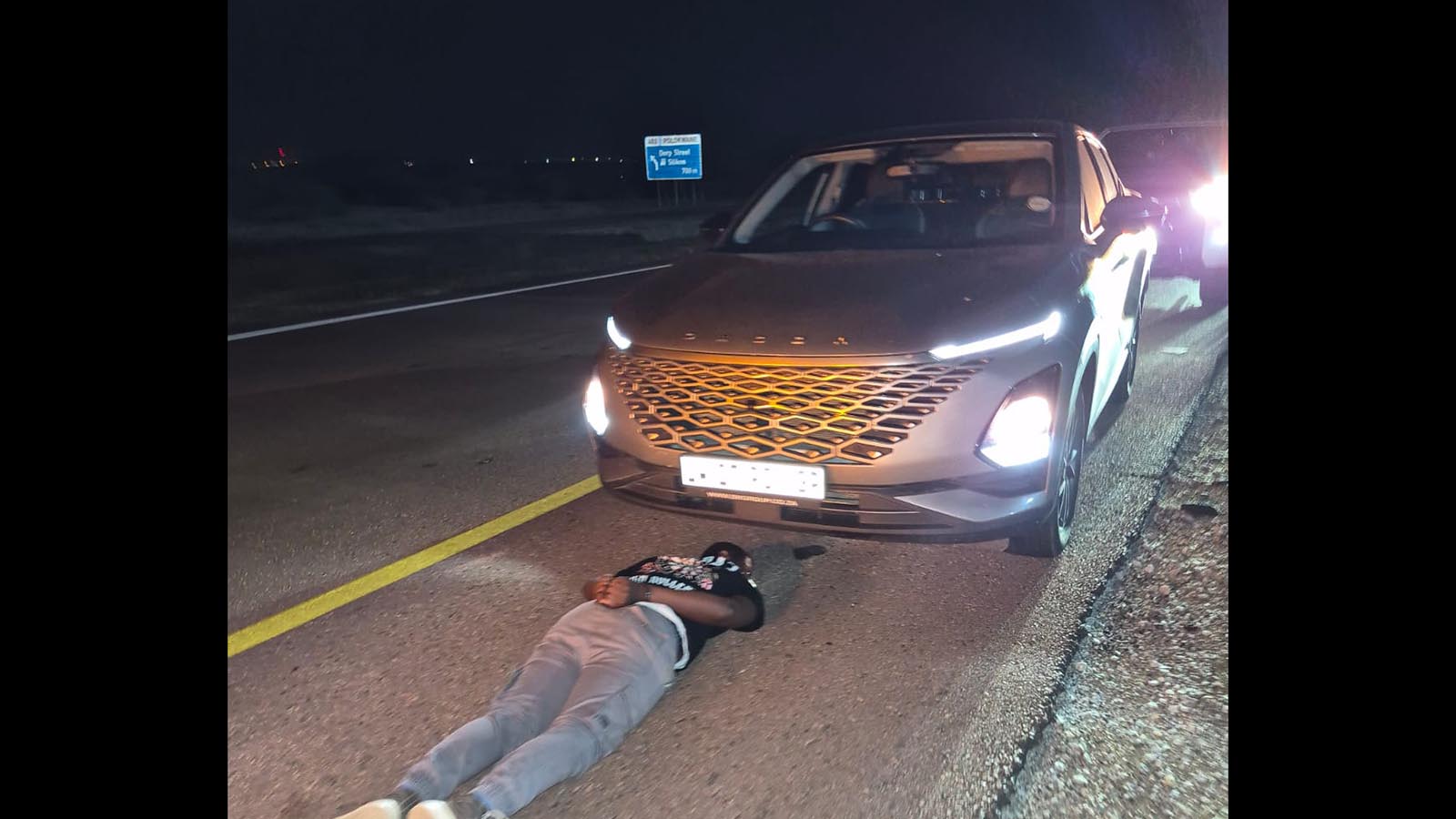
SA repeat offender nabbed with R400k stolen car enroute to Beitbridge
Thupeyo Muleya Beitbridge Bureau A 25-year-old South African man believed to be part of a cross-border syndicate smuggling stolen vehicles into different parts of the SADC region has been…