admin
admin
The public health system in Zimbabwe needs to be the main source of health services for the entire population, with the private health sector simply a convenient option, rather than taking on the primary burden and creating too much of a dual system, first class for a minority with money and second class or worse for the majority.
There have been significant improvements in the public health sector since the advent of the Second Republic, with the system now working again although overcrowded, short staffed and still building up the range of modern equipment.
But the shortages of drugs and medical consumables have largely been overcome.
We need to remember that at the very top specialist end the advances that Zimbabwean doctors have been making, such as the headline grabbing separation of conjoined twins and the resumption of open heart surgery, have been done in the major referral hospitals, the top rung of the public sector, rather than in the larger private hospitals.
We also need to remember the trust many have in the public sector, with the expansion of the rural clinic network driven by communities determined to have adequate health services within a short walk, and prepared to put in their own significant efforts to make sure the devolution funds are stretched to the limit.
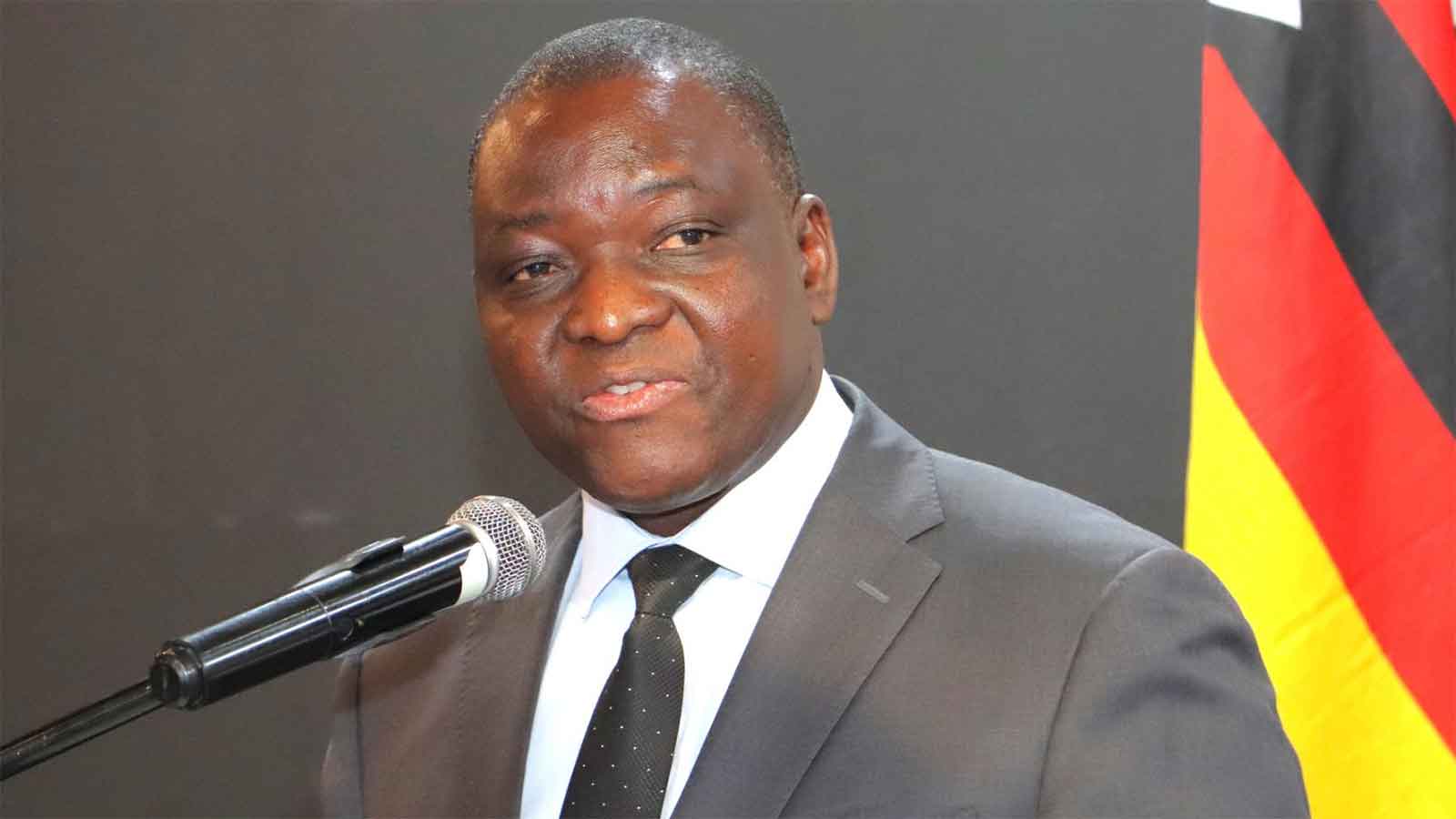
But some constraints remain, as Minister of Health and Child Welfare Dr Douglas Mombeshora told a recent high-level visit from the World Health Organisation, although he was also describing the policies in place to overcome the shortcomings.
One major area is staffing. Zimbabwe has been doing a lot of training of doctors, nurses and the supporting technical staff, but has been seeing high rates of emigration of these trained personnel as they seek other opportunities. Some are simply keen on more experience, and will eventually return with more skills. Many are gone permanently or at least for the whole of their working lives.
So one plank of the policy is to build up retention rates. The Second Republic has upgraded the old Health Services Board to a full Health Services Commission, meaning that medical staff no longer fall under the general Public Service Commission that runs the bulk of the civil service.
This means that the commission can tailor benefits, while keeping within the budget.
One important area is obviously housing and transport. The health services do have a reasonable stock of accommodation, decent flats and garden flats, and all those new clinics do include a nurse’s house, but there has not been much built in recent years.
So one area is obviously adding more blocks of flats and even cluster housing for the top range of professionals. On transport, buses have been added to the fleet dedicated to health staff, vital when you remember that hospitals are open 24/7 and so shifts need to start and end in the middle of the night.
Training is being expanded, with some of the newer State universities now opening medical schools to add to the large medical school at the University of Zimbabwe.
This is also seeing upgrades of hospitals in some provincial centres so they can be teaching hospitals, and that means that they can offer more specialist services outside Harare and Bulawayo, another benefit.
Dr Mombeshora basically wants the medical staff to double over the next five years. More are being trained, and more must now be retained.
Africa has set targets for the percentage of the budget that must be spent on medical services, and while Zimbabwe Is still below the ideal, a lot has been done to implement those targets. It is work in progress, but there are significant leaps seen over the last five years.
One major factor that caused a significant group to leave State service, or to emigrate, was the shortage of equipment and even essential medical supplies in public hospitals. Again the Second Republic has made major inroads, so at least the staff can do their job.
Health is one of the areas where development partners are willing to help, but they want to see a major local effort that they can supplement, rather than carrying the burden.
The same applies to the Zimbabwean private sector that Dr Mombeshora wants to tap, especially for equipment.
People are prepared to help but they want to make sure that the equipment they add, the hospitals and clinics they help build or upgrade, will be well maintained and kept at the upgraded level.
This is now being done, with all those facilities added during Covid-19, for example, in place and being used for general medicine.
At the same time, Dr Mombeshora wants to bring services closer to the people. The village health workers have been praised by medical professionals and are seen, for example, as the primary mobilisers of communities when it comes to vaccination and hygiene.
They can also check out the handful of conditions that between them cause the bulk of medical conditions, such as malaria, blood pressure and others, and ensure that people who need the next level go and get it, and even ensure people with chronic ailments take their tablets.
Dr Mombeshora now wants one village health worker in every village, and to be honest, thought should be given to extending their range to urban areas, since the urban clinic network. Some like to compare present public health services with those in the first decade of independence. One problem was that the expanding population was not matched by an expanding health service, hence the stress Dr Mombeshora places on extended staffing as well as more facilities. We did tend to use what we had, without the extra needed. Now we are fixing that.
For the better off, and for those on the higher rungs of medical aid, the private sector has filled many gaps. But it is wrong to ration health care by ability to pay.
Everyone deserves and needs respectable health care, and WHO has set standards that developing countries can meet.
Zimbabwe is about two thirds of the way to meeting those standards, so Dr Mombeshora’s target of 2028 is not over-ambitious considering the progress of the last five years. We simply have to make sure, and give the necessary priority, to continuing that progress. It will need a major effort, but it is an effort that we can make successfully.


 Online Reporter