admin
admin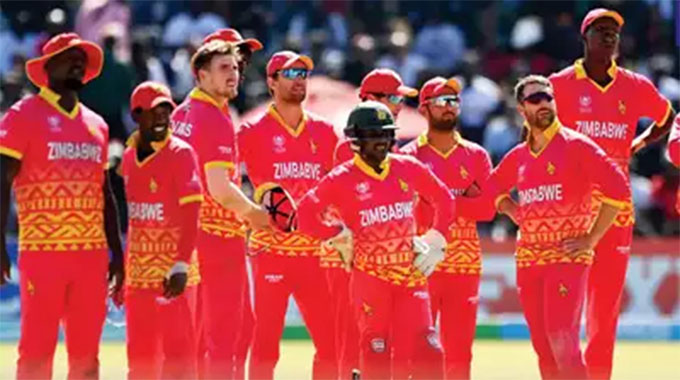
Zimbabwean sport suffered a big blow this week after confirmation that the senior men’s cricket team will not be part of the ICC Cricket World Cup jamboree in India in October.
The Chevrons suffered a heartbreak at the final hurdle following the unexpected defeat to Scotland in their last game of the Super Six stage on Tuesday.
The devastating loss was reminiscent of the 2018 circumstances, when Zimbabwe needed a win against lowly UAE but crumbled in spectacular fashion in front of passionate home crowds to miss the World Cup jamboree for the first time since their debut in 1983.
This is now the second time Zimbabwe will not be part of the elite company when 10 teams gather in India in October for the next edition of the ICC World Cup.
Sri Lanka and dark horses Netherlands have made it from the Qualifier tournament that ends in Harare tomorrow.
It was unfortunate Zimbabwe could not progress, with the slightest of margins.
They ended on six points together with Scotland and the eventual tournament finalists Netherlands.
The Dutch recovered from a lukewarm start in the campaign and pipped the Scots to a better run rate of 0.160. Scotland’s net run rate stood at 0.102 while Zimbabwe’s was 0.099 at the end of their Super Six matches.
As a result, Zimbabwe missed the World Cup with the slimmest of margins. It was bad enough for the Chevrons, though, as they have now missed two World Cup finals in a row. They failed to make it to the 2019 event in England and Wales and will also be absent in India this October.
For Zimbabwe the next few months should be time for close self-introspection, as they will have to wait four more years before returning to the big stage. Massive plans to turn around the tide are needed during the intervening period.
For, the pain of missing the ICC World Cup for the second time in succession was a bitter pill to take for many Zimbabweans, mostly the national team players themselves.
It was difficult to comprehend how a campaign that had started off so brightly would just crash to such a big disappointment.
The Chevrons had won a lot of admirers, both at home and abroad, with their spirited performances.
They could win games from some difficult positions and this positive brand of cricket had characterised their game for the past 12 months since the arrival of head coach Dave Houghton for another stint with the team.
But after being set a modest target of 235 runs, the demons of 2018 returned to haunt them. The disappointments both involved Associate nations, teams they could beat on any given day.
Scotland, despite their big win over the West Indies in their previous game, were there for the takes. However, the Zimbabwe players could not hold their nerve when it mattered most.
It seemed like they had not learnt anything from the 2018 debacle.
Going forward, the Chevrons who will be involved in an ICC T20 World Cup Africa Qualifier to be staged in Namibia later this year, will need to carry the big lesson with them into that event as well.
The current crop of players, which probably looks the best Zimbabwe side assembled in the last decade, do not have much time together.
The 50-over World Cup in India this October was probably going to be the last big stage for the senior players, some of whom are now on the wrong side of their 30s.
Skipper Craig Ervine turns 38 years next month, Sikandar Raza turned 37 recently while Sean Williams is set to turn 37 in two months’ time.
The trio, which form the core of the Zimbabwe team, will be in their 40s when the next 50-over World Cup comes around. Fortunately, Zimbabwe are set to get an automatic spot at the event, which they will co-host with neighbours South Africa in 2027.
But how is Zimbabwe Cricket’s development policy? Do they have solid plans to replace the ageing senior players?
This is the big question that needs answers.
Zimbabwe Cricket should ensure continuity and smooth transition without compromising the quality of the game, which has been on the rise.
The good thing is there is a considerable number of players in the current set up that still have more years to their careers.
But we would need to see more of the younger players coming into the fray.
The selection pool should be enlarged. More opportunities should be given to fringe players to fight for places in the senior team.
The Under-19 World Cup team players should be nurtured, groomed and kept track of.
ZC’s Cricket Kumusha-Cricket Ekhaya programme is a brilliant concept which takes the game to previously marginalised areas.
The idea is that cricket can only be a powerful sport once it becomes a mass sport.
The leadership at the association should be applauded for such a superb vision. Cricket should be played in urban and rural schools and communities.
That way, the senior national team will have more avenues feeding into it. We need a strong Zimbabwe national team that is not bullied by Associate teams time and again; a team that should challenge the big teams and play at the World Cup regularly.
The 2023 World Cup Qualifier disappointment will live in our hearts for many years to come.
In future, Zimbabwe Cricket should also consider spreading the international games to all the suitable venues across the country. It was sad the Chevrons looked foreign to the conditions at Queens Sports Club where they played their Super Six games.
With a bit more familiarity, they should not have struggled in the Super Six stage in Bulawayo, where they recorded their only losses during the tournament.



 Online Reporter