Online Reporter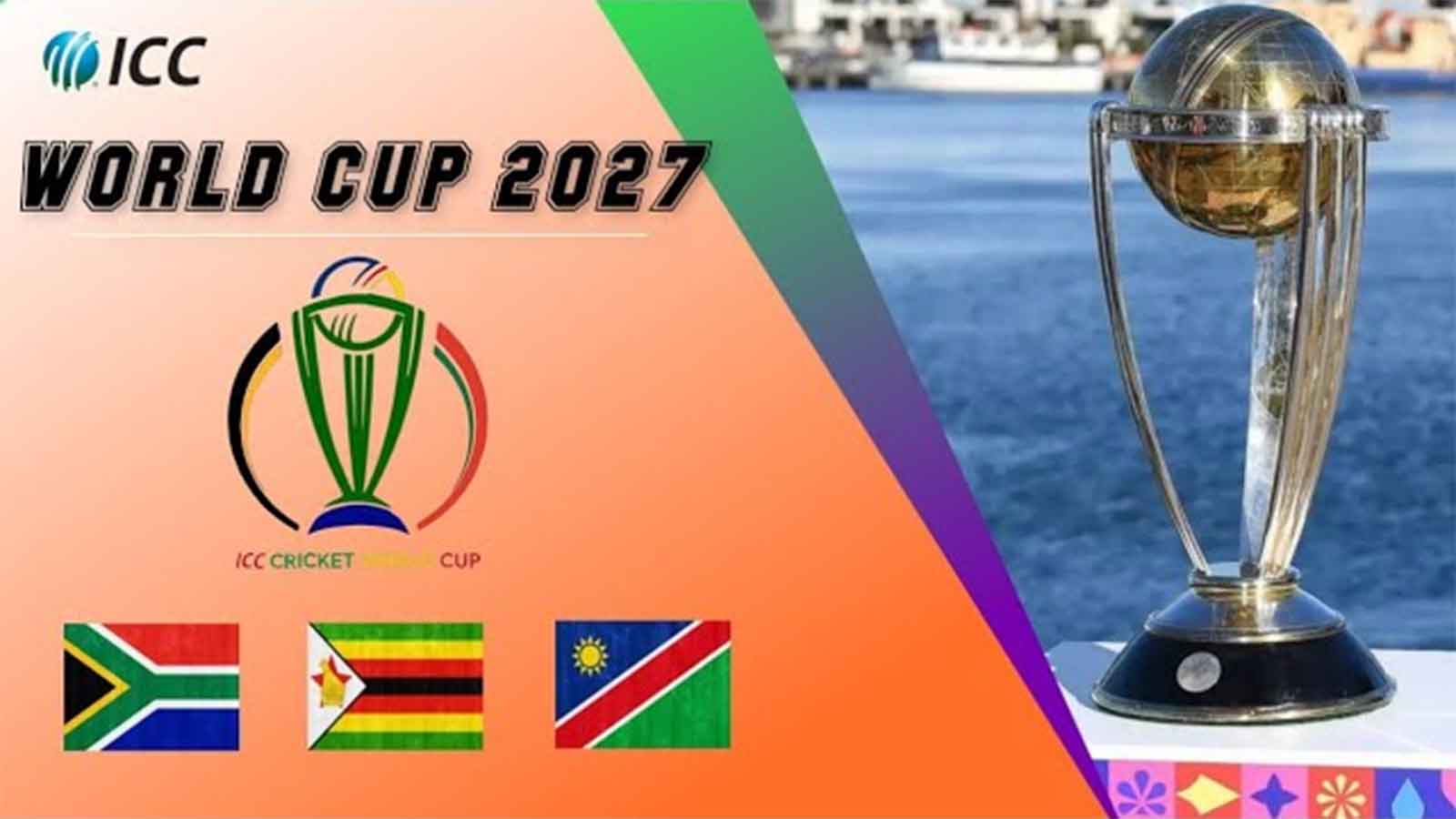
WHEN the first ball of the 2027 ICC Men’s Cricket World Cup is delivered, millions of people around the globe will be watching what happens on the field.
Zimbabwe, however, should already be celebrating what has happened beyond it.
The significance of co-hosting one of the world’s biggest sporting events extends far beyond runs scored, wickets taken and trophies lifted.
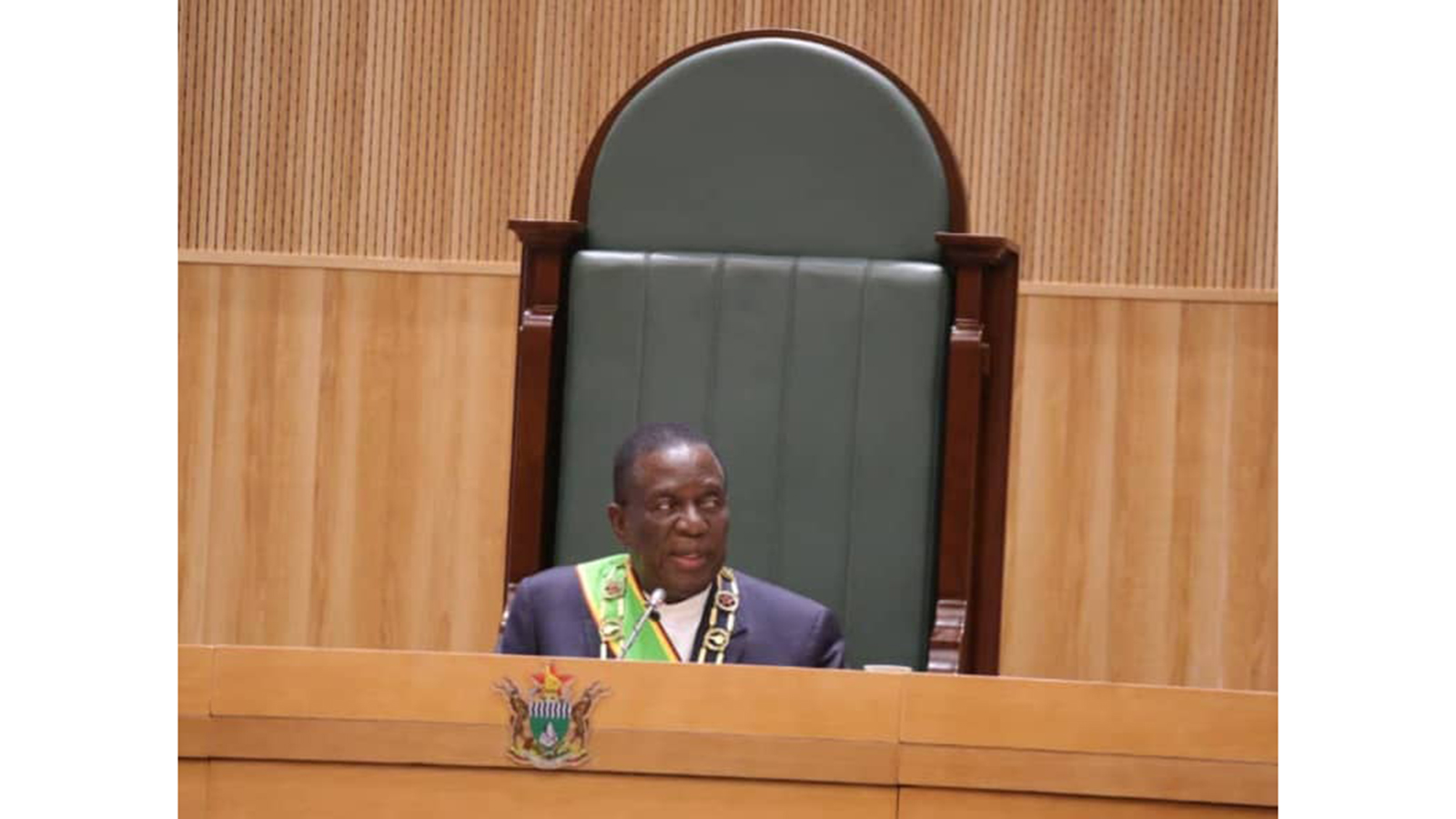
Long before the opening match, the World Cup is already reshaping Zimbabwe’s sporting landscape and Sport, Recreation, Arts and Culture Minister Anselem Sanyatwe acknowledged as much when he revealed the excitement swirling in the nation around the staging of the showpiece in this country.
That, perhaps, is its greatest legacy. For years, Zimbabwe has spoken about becoming a destination for international sport. Now, the world is responding.
The decision by the International Cricket Council to award Zimbabwe the privilege of co-hosting the 2027 ICC Men’s Cricket World Cup alongside South Africa and Namibia is a sporting vote of confidence. It is a vote of confidence, not in cricket alone, but in a country.
ICC did not award this nation World Cup matches because of sentiment, they awarded Zimbabwe responsibility because of confidence.
The ICC have the confidence that the nation can organise, host and deliver an event worthy of one of world sport’s premier competitions.
That confidence is already producing visible results. Harare Sports Club, one of Zimbabwe’s iconic sporting venues, is set to undergo extensive refurbishment.
Queens Sports Club in Bulawayo will also receive significant upgrades. Takashinga Cricket Club, venue of the ICC Under-19 World Cup co-hosted with Namibia, has already benefited from improvements that have strengthened Zimbabwe’s cricket infrastructure.
Above all, a brand-new international-standard cricket stadium in Victoria Falls is nearing completion, creating a world-class sporting venue in one of Africa’s premier tourism destinations.
Meanwhile, international cricket has increasingly found its way beyond the traditional centres, with the Tavengwa Mukuhlani administration ensuring that Masvingo begins to feature on Zimbabwe’s cricket map.
These are permanent national assets.
Long after the final ball of the World Cup has been bowled, Zimbabwe will still be playing cricket on facilities that this tournament helped create and improve. That is how major sporting events leave their mark.
The greatest legacy of the 2027 Cricket World Cup may not be the trophy. It may be the infrastructure left behind after the tournament ends and the inspiration to young talent.
There is an important lesson here for Zimbabwean sport. Infrastructure does not exist simply because people wish for it. Often, it follows opportunity.
The privilege of hosting major international events creates urgency.
It attracts investment and demands higher standards, leaves facilities that continue to serve athletes, administrators and communities for generations.
Zimbabwe has witnessed this reality before.
The All-Africa Games in 1995 led to the construction of the Magamba and Khumalo Hockey stadiums, the Chitungwiza Aquatic Complex and the transformation of Rufaro Stadium into its current four-stand configuration.
Cricket, meanwhile, is preparing multiple venues capable of welcoming the world. This is not a comparison between sporting codes. It is a reminder of what becomes possible when international federations and bodies place their confidence in Zimbabwe.
Hosting rights carry responsibilities, but they also unlock possibilities. The benefits will extend far beyond cricket.
Hotels will welcome thousands of visitors. Airlines will carry supporters from across the globe. Restaurants, transport operators, tour companies and small businesses will all experience increased activity.
Victoria Falls, already one of the world’s great tourism destinations, will receive yet another opportunity to showcase Zimbabwe to an international audience. Sport tourism is no longer an abstract concept. It is becoming an economic strategy.
Every visitor who arrives to watch cricket also experiences Zimbabwe. They visit our national parks, stay in our hotels, support local businesses and become ambassadors for the country long after they have returned home.
That is why the World Cup should be viewed as a national project rather than simply a cricket tournament or a mere Zimbabwe Cricket (ZC) responsibility.
Its impact reaches construction, tourism, hospitality and transport.
It impacts employment, international relations and national branding. The ripple effects will be felt long after the tournament concludes.
Perhaps, most importantly, the World Cup sends a message to young Zimbabweans. It tells them that the world’s biggest sporting events are not reserved for distant countries seen only on television. They can happen here, inspire dreams and can create opportunities here. The value of that inspiration cannot be measured on a scoreboard.
Increasingly, Zimbabwe is rebuilding its reputation as a credible sporting nation.
The Sables are preparing for their return to the Rugby World Cup after 34 years. The Warriors are edging closer to welcoming international football back with progress on Chahwanda in Kwekwe and the National Sports Stadium.
The Chevrons continue to grow in confidence as they build towards a home World Cup.
These are not isolated stories. Together, they reflect a nation steadily reclaiming its place on the international sporting stage. The champions of the 2027 ICC Men’s Cricket World Cup will eventually take their place in history.
But Zimbabwe’s greatest victory may not be measured in centuries or five-wicket hauls.
It may be measured in modern sporting facilities, in increased tourism, renewed international confidence and the economic opportunities created and in a generation of young Zimbabweans who will grow up believing that the world’s biggest sporting events belong here too.
Long after the scorecards have yellowed and the champions have changed, Zimbabwe will still be playing on the legacy this World Cup leaves behind.
That is why the story of the 2027 ICC Men’s Cricket World Cup begins long before the first ball is bowled. And why its greatest impact may well be felt long after the final wicket has fallen.