admin
admin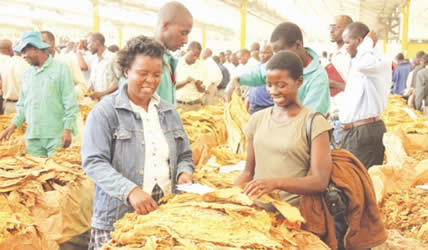
Land reform was not a once off programme just over two decades ago, but rather the start of a dynamic policy that stresses both fairness and production.
Fairness to give as many as possible access to land with security, and production meaning that they must use that land.
While there was a major element of fairness in the allocation of land, with large estates turned into smaller farms and most of those who applied and who could meet the conditions being granted land, the production side had been less emphasised, until now.
Some people allocated land wanted to farm; they may have been slowed down by the lack of credit and financing for many years, but the Government has largely fixed that with input finance for both A1 smallholders and for A2 farmers with their larger holdings.
This has been backed by the contract farming arrangements from the private sector. And as a result the genuine farmers have been successful and are farming even better. More importantly they are proving they are farmers.
But some were less interested in farming. They wanted “a piece of land”, perhaps for status or a place to visit for a weekend braai, or perhaps, more honourably, as insurance in case they lost their job or their urban business or needed a pension.
And some sought land because they rather liked the idea of farming, but somehow never got around to doing anything about it, the perhaps tomorrow types.
Meanwhile, a whole new generation has grown up and has a fair percentage of people who want to farm, rather than people who have to farm.
We know they want to farm because often they are farming, on tiny plots they have borrowed or rented or because they work for somebody on a farm or even because they work for Agritex, doing a good job, but also trying out their expertise on a small plot somewhere.
Now the Government has decided to take action and has separated the farmers from those who just filled in a form, sometimes exaggerating their assets, to get their “piece of land” and have done nothing since.
A detailed survey has been done to find unused land, abandoned farms and even farms that appear far too large for the farmer. This will be confirmed very soon as the real farmers submit the required forms showing how much they planted of each crop, and their livestock totals, breeding and off-take. These are checked by Agritex.
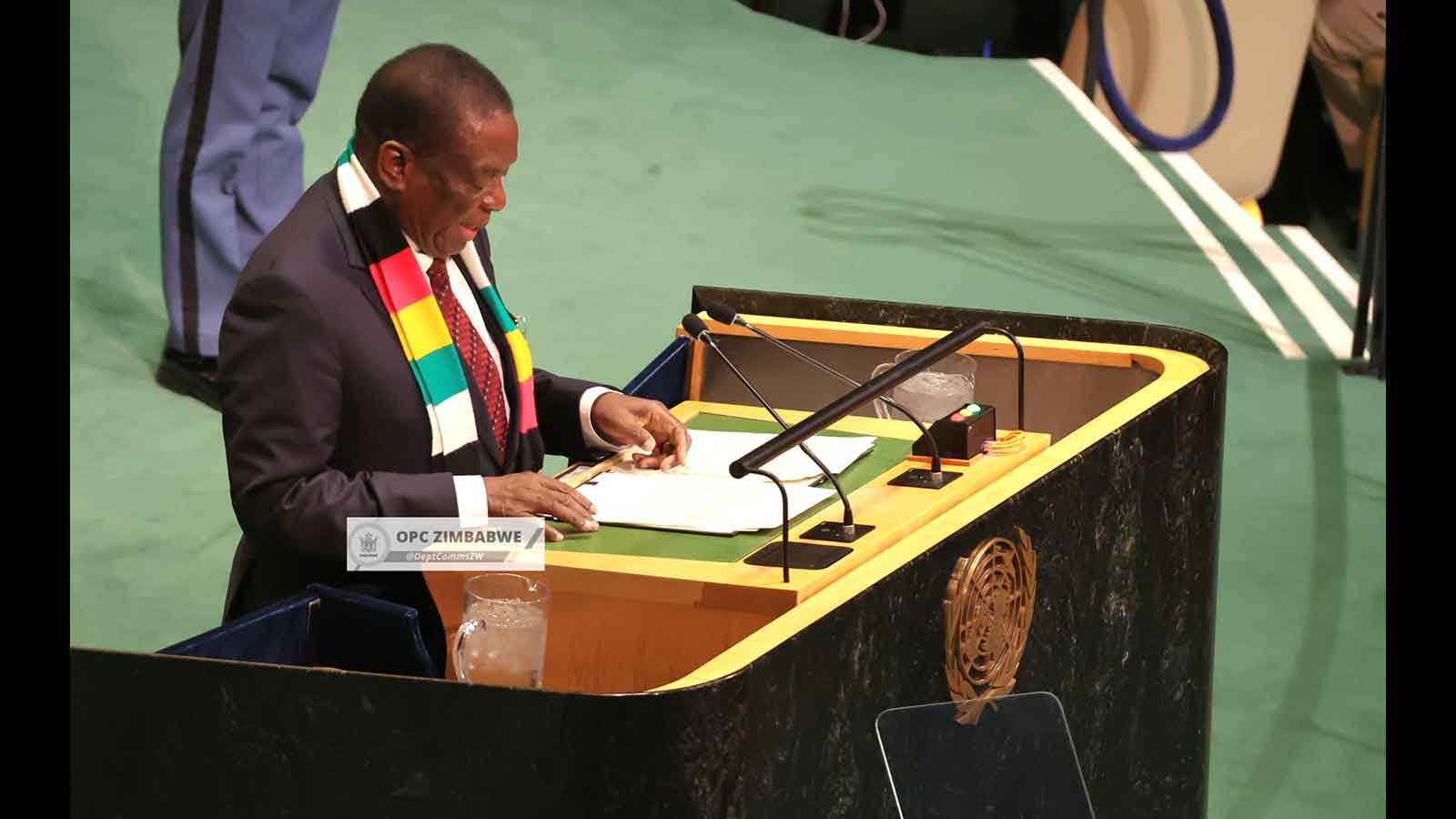
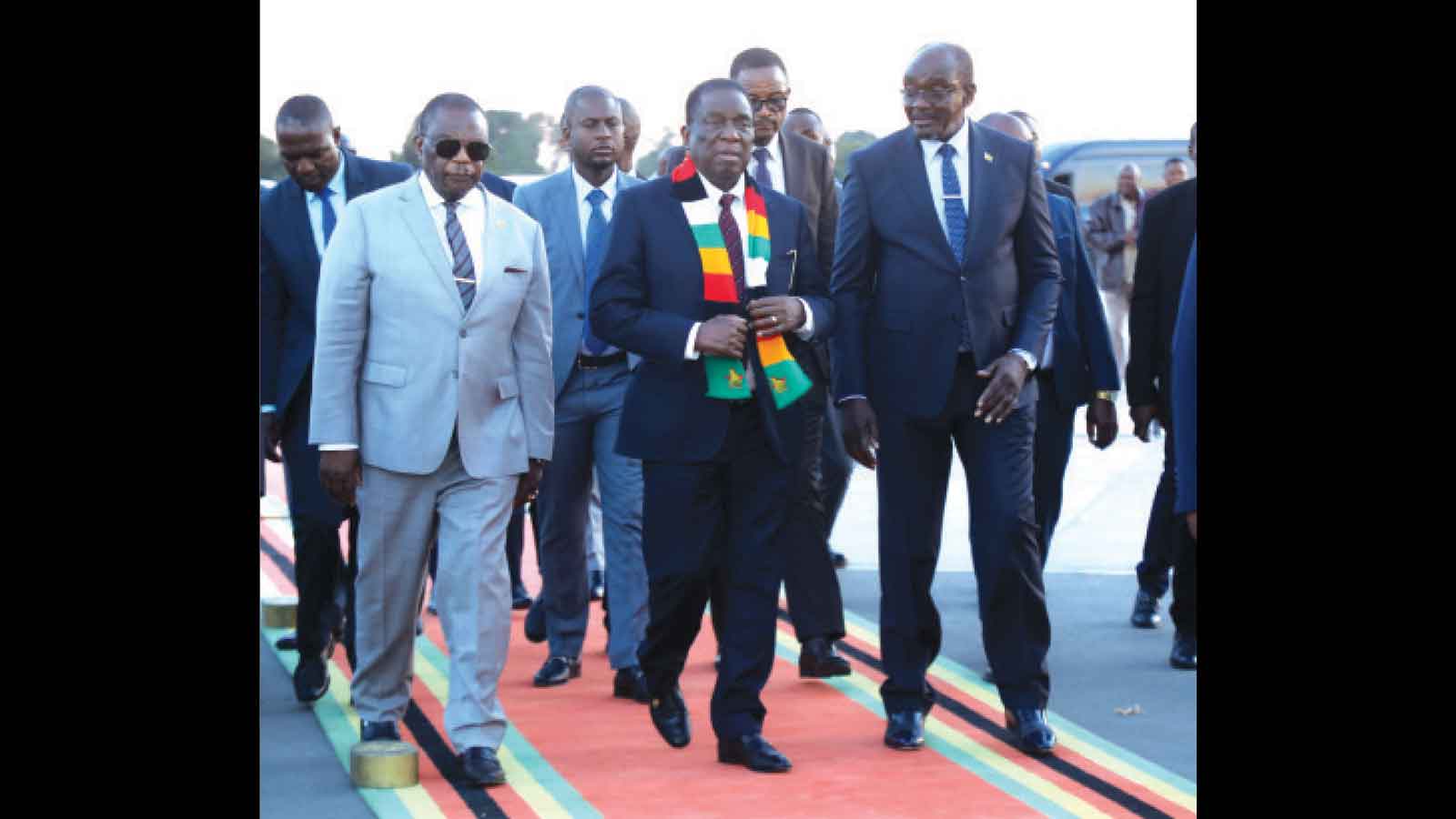
During his speech at the funeral of national hero Deputy Police Commissioner Moses Griffiths Mpofu (Retired) on Saturday, President Mnangagwa laid it on the line, confirming previous policy statements from Government.
Genuine farmers are secure, even to the extent that if their farms are over the maximum size for their ecological region, no one has immediate plans to cut the farm size so long as the extra land is in production.
But the unused land, the abandoned land, will be taken back and will be reallocated to landless people who want to farm properly, as a business, and young people, those who grew up after the major reallocation of land, will be first in the queue.
This is both fair and makes practical sense for a Government that wants to emphasise production. Because many of those youths have been producing, they have track records, so it will be easy in many cases to assess both their willingness to farm, what could be called their desire to farm, and just how good they are at farming.
This time round it will need more than a filled-out form to be allocated land and far more stress placed on who you are, why you want to farm and are you prepared to farm as your way of life, your own business.
Just about everybody applying will have been born and grown up in independent Zimbabwe, so there will be checks on how they used the education opportunities everyone was given and how they spent their time since leaving school.
One factor that has been mentioned already is the need to ensure more women farmers can be farmers in their own right, that is being the primary leaseholder.
To a large extent this will be automatic since most women applicants will have grown up in free Zimbabwe and in the new culture of gender equality.
Women cannot only own and run their own businesses, as many now do, but are actually encouraged to do this. So there is not only no bar to women owning and running farms, but as with other youths and those in other groups, there must be a large pool of women who not only have a desire to farm, but also have the track record that proves that desire and makes them a safe bet when allocations are made. But presumably someone will be checking to ensure there is no bias.
Farming is not a business for everyone, and running a farm should not be thought as an option if you cannot do what you really want to do. The National Development Strategy 1 will open a lot of doors, as business people and skilled workers, to those who want to be active in mining, industry and the service sectors.
The growth in agricultural productivity and the rising farming incomes that come from this, will open up many opportunities for those who want to live and work in a farming area, but not as a farmer.
There will be growing opportunities for a lot of other businesses, from tractor mechanics to food processors, in the rural areas and as these develop the people who provide support services for farmers, process crops into higher value processed foods and the like will become the majority.
The people we are looking for now to allocate farms need to be carefully selected from what is probably already a minority, the real farmers, the people who want to farm as a business, rather than as a way to survive.
But, if we make a mistake, it is not that big a problem under a leasehold system that is already looking at how land is used and is ready to reallocate when it is not used.
Natural resources, and that includes land, cannot be wasted. We are already voiding mining concessions granted to those who peg land, but do not mine within a set time limit, and there is no reason why we cannot do that with farming land.
On the other hand, the policy of making sure that those who use resources properly have good security must be maintained, so miners who mine and farmers who farm can build their assets in the certain knowledge that these will be safe.


 Online Reporter