Online Reporter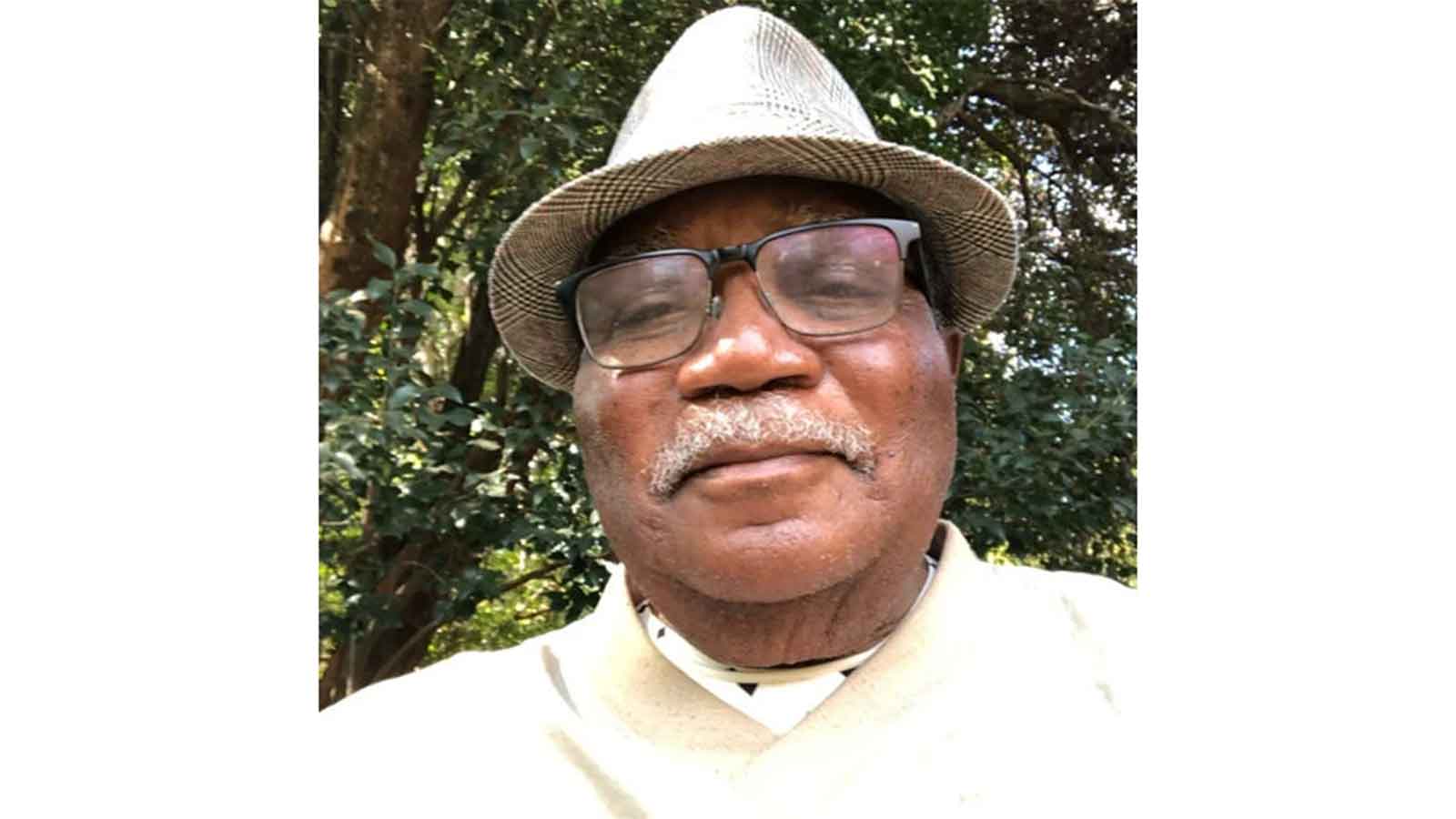
ZIMBABWE is driving forward to achieve decent levels of growth and first-class services with the resulting prosperity to be shared by everyone in the country.
This requires a lot of local solutions, rather than trying to adapt foreign offerings that may or may not fit Zimbabwean needs and are quite likely to miss that need for maximum spread of benefits, as well as creating them in the first place.
So we need top-class Zimbabwean experts and professionals, people who know what they are talking about and more importantly, know what they are doing when the talking has to die down and the action starts.
As President Mnangagwa noted on Monday at the National Heroes Acre, that Zimbabwean researchers to be able to specialise at the highest level, as well as being able to talk to each other so that combined efforts can be made.
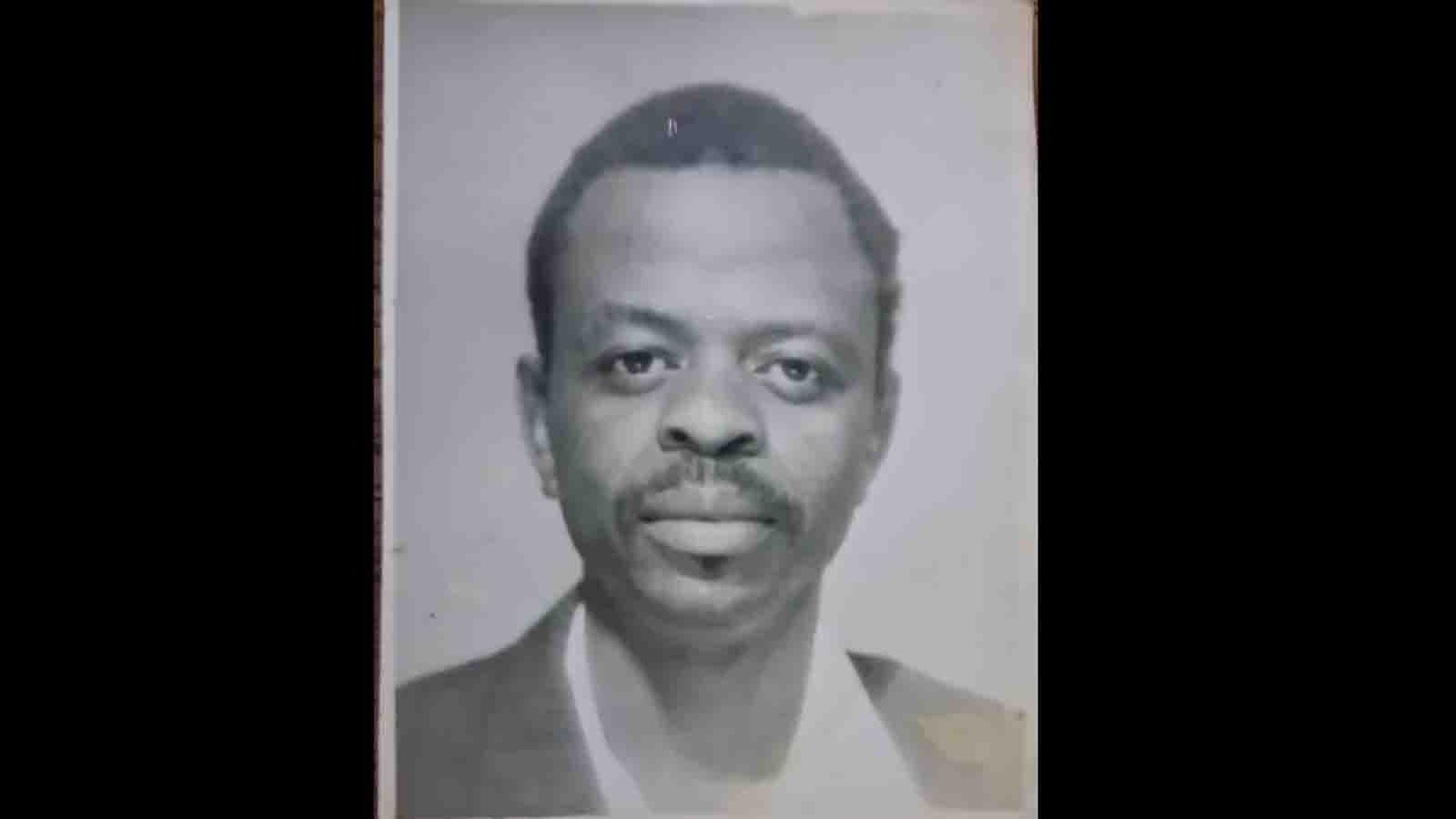
An example of the sort of person we need, the late Professor Herbert Chinyanga, now a national hero. He was, professionally, a top-rate specialist anaesthetist trained in Canada but then returned home after independence and set up the specialist Masters degree programme in anaesthetics at the University of Zimbabwe so there would be an adequate group of such experts, not just him and a couple of others trained in the old days.
It should be stressed that long before Education 5.0 became the norm, linking practical applications with the theory, medical and engineering schools largely built up the specialist expertise needed by having suitable students attached to the top end of their professions, learning by doing under supervision and with back-up as well as by studying the theory. High levels of competency in both theory and practice are needed for the specialist degrees.
But Prof Chinyanga was also able to operate in building up the whole medical field, serving on the important bodies such as Research Council of Zimbabwe and the Medicines Authority of Zimbabwe, as well as becoming pro-vice chancellor at UZ with a special remit for the College of Health Sciences and helping to establish the medical schools at NUST and Midlands State University.
The other most recent national hero, Major General (Retired) Richard Ruwodo was an army financial and administration specialist, although doing his time as an infantry officer and gradually ascending levels. But his specialisations could quite obviously have won him a good managerial slot in the private sector, and he was in fact a junior manager when he decided it was his duty to serve in the liberation forces and then join the regular army after independence.
The President was careful to stress that Zimbabwe needed the top-end specialists in both private and public sectors and he has overseen transfers between the two, making it easier for someone at the top having experience of both. Most of the top technocrats who have been successfully reforming the economy have that double experience, which helped make them especially effective.
It is fairly obvious that Zimbabwe has a large pool of well-qualified and experienced talent in most fields. It is now rare to hear that foreign experts are appointed to critical posts, in either then public or private sectors. Major investors in Zimbabwe might want their own expert in the loop, but generally seek out suitable Zimbabweans for almost all posts so we have foreign-owned mines, for example, where everyone from the chief executive down to the lowest grades of skilled and semi-skilled workers are Zimbabwean.
There is still that colonial hangover among some that a “consultant” outside the country is needed, although this is becoming fainter and local expertise is being sought instead as people realise that local does not mean second best.
There were some worries about Education 5.0, that it might produce people who were less than top-notch on the theory side.
That was a misunderstanding of the education reforms which were built around retaining the highest levels of theory but adding in the practical applications, which made the theory meaningful and so easier to learn, but also made it useful as it was applied.
Zimbabwe is pushing ahead with both modernisation and upgrading of services, and also everyone recognises that we need to industrialise as fast as possible with much of this being the processing of raw materials and then manufacturing products for local and foreign markets.
This requires a wide range of specialist experts who understand the processes, know the raw materials and can influence miners and farmers in producing what is needed, and who know and can meet market expectations. Generally that also means the person needs to have a solid Zimbabwean background, and then being able to receive the highest level training and education.