admin
admin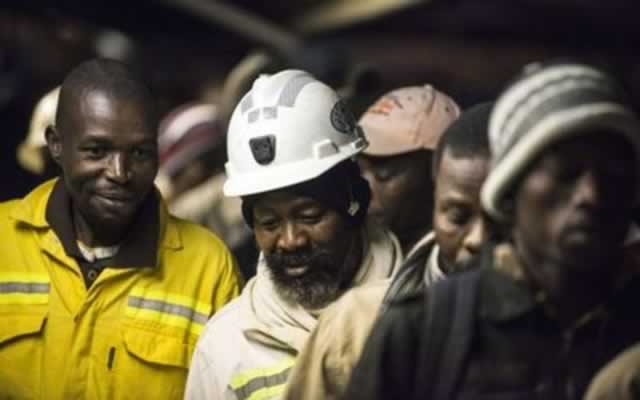
Each year, May Day celebrates the role and contribution of workers in the economic development and growth of a country.
This year, for Zimbabwe in particular, it was an occasion to reflect on, single out and honour those that have placed their lives on the line in order to safeguard humanity from the ravages of the coronavirus.
These have been the health workers, drivers and those in the security sector, who have selflessly placed their lives at greater risk, as they prepare the country to combat and contain the virus.
Each day, the reality, the danger and threat of the virus is brought to our doorstep. This week, the number of people testing positive for the virus jumped to 34. Sadly, among those statistics are health workers — the frontliners in fighting Covid-19.
Zimbabwe’s recorded fatalities since the advent of the coronavirus stand at four.
As happened with the Independence Day commemorations, Workers’ Day observance this year was low key because of the imperatives to avoid gatherings, maintain social distance and staying at home in order to avoid contracting Covid-19.
May Day commemorations are an annual acknowledgement of the criticality of workers in contributing to the growth and prosperity of organisations and by extension a country’s economic fortunes.
The commemorations are meant to assert and advance commitment to the cause and interests of workers. They are also an occasion to celebrate individuals and companies that have made notable contribution to better pay, welfare and work environment for their staff.
Whether there will be alternative arrangements to the day this year or the event rolled over to next year, remains a matter for discussion. However, what is inescapable is that when workers return to work next week, the week after or at the end of the month, they will be returning to a changed environment and workplaces.
The past months have given companies, employers and other players an opportunity to undertake a critical evaluation of their operations, systems and the levels necessary for their enterprises to continue to survive and operate viably.
Inevitably that is going to mean job cuts. People are going to be laid off, because companies will find themselves unable to shoulder the losses they have incurred as a result of the lockdown. Zimbabwe has been in lockdown for five weeks, with only fewer companies — essentially in the retail sector £ conducting any business.
Labour leaders could do well by leading workers to become active participants in re-imaging how their companies will operate under the changed post-Covid-19 circumstances.
There are emerging challenges that have redefined the workplace as we have known it. There are likely to be new technologies and production processes that will be introduced in the post-Covid-19 environment.
As a result of the enormous challenges confronting governments, companies and workers, there is need to raise awareness about safety at work because this ensures workers’ well-being and health at work, more importantly helps stop the spread of the pandemic thus translating into better performances/productivity.
May Day was an occasion to reflect on how the Government has acted in the interests of workers by, for example, undertaking seven measures.
Cognisant of the predicament the workers find themselves in, the Government instituted a $200 grant for each of the most vulnerable families. It intervened to ensure the availability of affordable maize meal (roller meal).
The Government also engaged retailers in order to keep prices of basic commodities within reach of the majority, who are at risk of sinking into poverty. This, however, remains work in progress.
Almost a week after the Government met businesses over soaring prices of essential commodities, prices have not been reviewed downwards to the pre-Covid-19 levels.
This point could be instructive in exposing the duplicity of the business sector and how it never locates people at the centre of operations. Where it does so, the people merely exist as objects of exploitation by businesses through profiteering.
In addition, the Government has mobilised resources to stimulate production and is exploring grants to targeted groups such as the youths and creative sectors, as well as gazetted new rent regulations providing breathing space for tenants and shielding them from landlords.
The Reserve Bank has also acted by putting a cap on interest charges on bank financing for companies.
In his May Day message, President Mnangagwa spoke of the need to show the Government’s omnipresent commitment to support and sustain workers.
While the global focus might be on workers in formal employment, the President said, Zimbabwe’s situation required the country to place greater attention on small-to-medium enterprises and on the broad informal sector.
His argument is that these sub-sectors have sustained and continue to sustain the greater number of national livelihoods.
These measures may not be sufficient but they demonstrate a degree of sensitivity to the plight of workers.


 Online Reporter