Online Reporter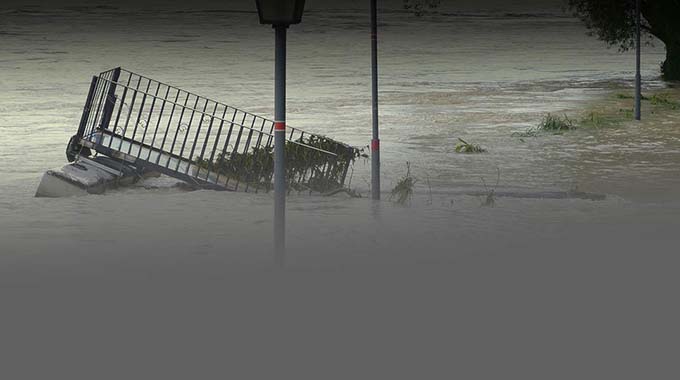
The Meteorological Services Department says the country will receive heavy rains during the course of this week.
They expect widespread thunderstorms, strong winds and frequent lightning across Zimbabwe between today and Saturday with some areas likely to receive in excess of 50 mm of rainfall within 24 hours.
As a result, there is a high risk of flash floods, hazardous road conditions with reduced visibility, landslides and rockfalls, particularly in areas already saturated by ongoing rains.
This warning is not just another routine bulletin tucked away in the weather segment of the news.
It is a serious public safety alert that demands immediate attention from citizens, authorities and communities alike. From flash floods that sweep away homes and livestock to rivers bursting their banks and cutting off entire communities, floods remain one of the country’s most destructive natural hazards.
Zimbabwe’s rainy season, while vital for agriculture and water security, has increasingly become unpredictable due to climate change.
Intense rainfall over short periods now occurs more frequently, overwhelming drainage systems, dams, bridges and riverbanks.
The warnings are therefore based on scientific data and forecasting models, not alarmism. When such an institution as MSD raises the red flag, it is a call for preparedness, caution and collective responsibility.
Floods are particularly dangerous because of their suddenness. A river that appears calm in the morning can become a raging torrent within hours after heavy upstream rainfall.
Urban areas like Harare, Bulawayo, Mutare and Gweru face their own risks, as blocked drainage systems, illegal settlements along waterways and poor waste management worsen flooding.
Rural communities are equally vulnerable, especially those living near rivers, dams and low-lying areas. The first and most important step for citizens is to take the warning seriously.
Community leaders, councillors and traditional authorities also have a duty to share this information widely, particularly with those who may not have access to digital platforms.
The message to the citizens is simple. Those living in flood-prone areas must be extra vigilant and should monitor water levels constantly during heavy rains.
Many flood-related deaths occur because people delay evacuation, hoping the water will recede. It rarely does.Crossing flooded rivers, bridges or roads is extremely dangerous and should be avoided at all costs.
Even shallow-looking water can be deceptively powerful, capable of sweeping away vehicles, cattle and people.
No journey, no matter how urgent, is worth risking your life.
Parents must also ensure that children do not play near swollen rivers, streams or drainage channels. What may look like a harmless adventure can quickly turn fatal.
In urban areas, residents must play their part by keeping drainage systems clear. Dumping rubbish in storm drains, streams and open spaces is not just an environmental issue; it is a direct contributor to urban flooding.
When drains are blocked, rainwater has nowhere to go, resulting in flash floods that damage homes and infrastructure. Responsible waste disposal is therefore a simple but powerful flood prevention measure.
Ultimately, flood safety is a shared responsibility. Disasters become tragedies not only because of natural forces, but because of human complacency and inaction.
Weather warnings are not meant to frighten us; they are meant to save us.