Online Reporter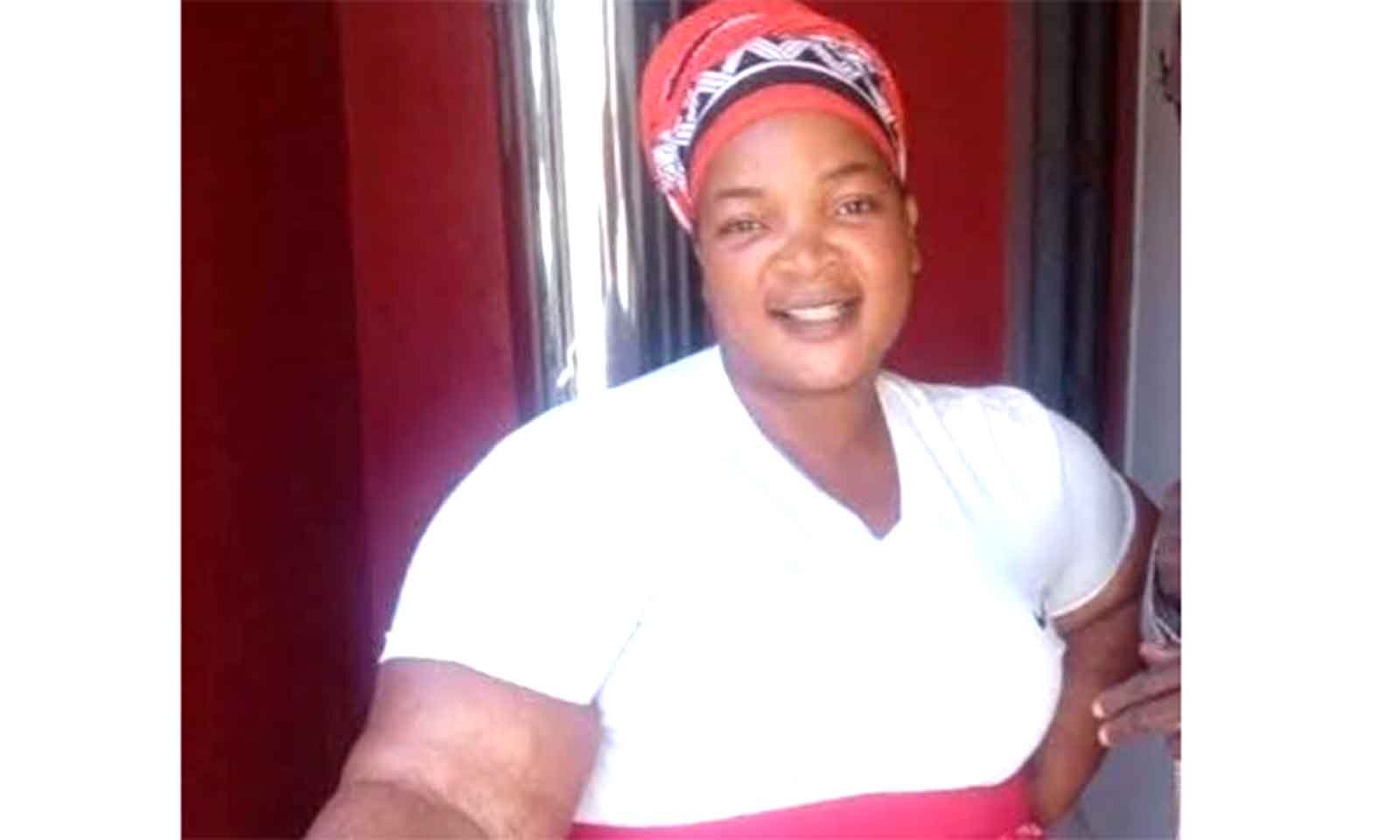
MAI Ngaa’s dismissal of speculation surrounding a possible reunion with her estranged husband, popular comedian and actor Kapfupi, has once again brought to the surface an important conversation about personal boundaries, healing, and respect for individual choices in the public eye.
In a society where celebrity relationships are often treated as public property, her stance is both refreshing and instructive.
For weeks, social media platforms have been buzzing with rumours suggesting that Mai Ngaa and Kapfupi were on the verge of reconciling.
Every shared post, public appearance, or indirect comment was dissected and interpreted as a sign of an imminent reunion.
Against this backdrop, Mai Ngaa’s clear and unambiguous response serves as a reminder that not every narrative crafted by the public or the media reflects reality.
By dismissing the speculation, she reasserted control over her own story, refusing to allow assumptions to define her life.
What stands out most in Mai Ngaa’s response is the confidence and clarity with which she addressed the issue.
Rather than feeding the rumour mill with emotional reactions or vague statements, she chose honesty and directness.
This approach not only shuts down unfounded claims but also highlights her growth as an individual who understands the value of peace and self-preservation.
In situations involving broken relationships, especially those played out in the public domain, silence is often interpreted as weakness or indecision.
Mai Ngaa’s voice, therefore, becomes a powerful tool of self-definition.
Her position also speaks to a broader reality faced by many women, both famous and ordinary, who are frequently pressured to “fix” relationships regardless of the emotional cost involved.
The expectation that estranged couples must eventually reunite, especially when children or history are involved, can be deeply unfair.
Mai Ngaa’s dismissal of reconciliation rumours challenges this mindset, reinforcing the idea that walking away can be just as valid, courageous, and healthy as staying.
Kapfupi’s popularity further complicates the situation.
As a beloved public figure, any development in his personal life inevitably attracts attention.
However, Mai Ngaa’s statement draws a clear line between public entertainment and private pain.
Moreover, Mai Ngaa’s stance encourages a more nuanced understanding of healing. Reconciliation is often romanticised as the ultimate proof of love or maturity, yet it is not always the best outcome. Sometimes, true healing comes from acceptance, closure, and the decision to move forward separately. By dismissing reunion speculation, Mai Ngaa appears to prioritise emotional stability over public approval, a choice that deserves respect rather than scrutiny.
In the end, Mai Ngaa’s message is simple but profound: not all stories end the way the audience expects, and that is perfectly okay. Her refusal to entertain rumours of a reunion with Kapfupi underscores the importance of autonomy, dignity, and self-awareness. As the public digests her words, perhaps the bigger lesson lies in learning to listen, believe, and allow individuals the space to define their own paths—without pressure, speculation, or judgment.