


 Online Reporter
THE story of two brothers who spent four years in prison for a crime they did not commit is both heartbreaking and deeply unsettling.
It forces us to confront uncomfortable questions about the justice system, investigative processes, and the heavy price of wrongful convictions.
Four years is not just a number — it represents birthdays missed, opportunities lost, reputations damaged, and emotional scars that may never fully heal.
When innocent people are imprisoned, the consequences stretch far beyond the prison walls. Families suffer in silence. Parents carry the stigma.
Children grow up without guidance. Communities whisper. Employment prospects disappear.
Even after release, the shadow of accusation often lingers longer than the bars ever did.
For the two brothers, those four years were likely filled with confusion, anger, and despair.
To wake up each day knowing you are paying for something you did not do is a psychological burden few can truly understand.
Prison is designed as punishment for the guilty. When imposed on the innocent, it becomes a profound injustice.
Cases like this highlight the fragility of justice systems everywhere. Investigations can be flawed. Witnesses can be mistaken.
Evidence can be mishandled. In some instances, pressure to secure convictions can overshadow the pursuit of truth. While many officers, prosecutors, and judicial officials work with integrity, no system is immune to error.
The critical question is how such a miscarriage of justice occurred — and what lessons can be learned to prevent recurrence. Was there inadequate legal representation?
Were there any procedural errors? Was there reliance on unreliable testimony? Accountability does not always mean punishment; it can also mean reform.
Strengthening forensic standards, improving access to competent defence lawyers, and ensuring thorough review mechanisms are essential steps. There is also the issue of compensation and restoration. When individuals are deprived of their liberty unjustly, there is a moral obligation to acknowledge the harm.
Financial compensation can never truly restore lost years, but it can help rebuild lives.
Beyond money, public exoneration is equally important. Clearing names publicly helps restore dignity and correct the narrative.
Yet even exoneration does not erase trauma. Formerly wrongfully convicted individuals often struggle with reintegration.
They may face anxiety, mistrust, or difficulty finding employment. Psychological counselling and social support become crucial.
Justice should not end with release; it should include rehabilitation for those harmed by the system itself.
On a broader level, such cases remind society to approach accusations with caution.
Public opinion often rushes to judgment long before courts deliver verdicts. Once someone is labelled a criminal, it can be nearly impossible to shake that perception — even if innocence is later proven.
As a society, we must be careful not to let suspicion become permanent condemnation.
At the same time, it is important to remember that wrongful convictions do not mean the justice system is entirely broken.
They do, however, highlight the need for vigilance, transparency, and continuous improvement. Systems must be designed not only to convict the guilty but to protect the innocent.
For the two brothers, freedom after four years may feel bitter sweet.


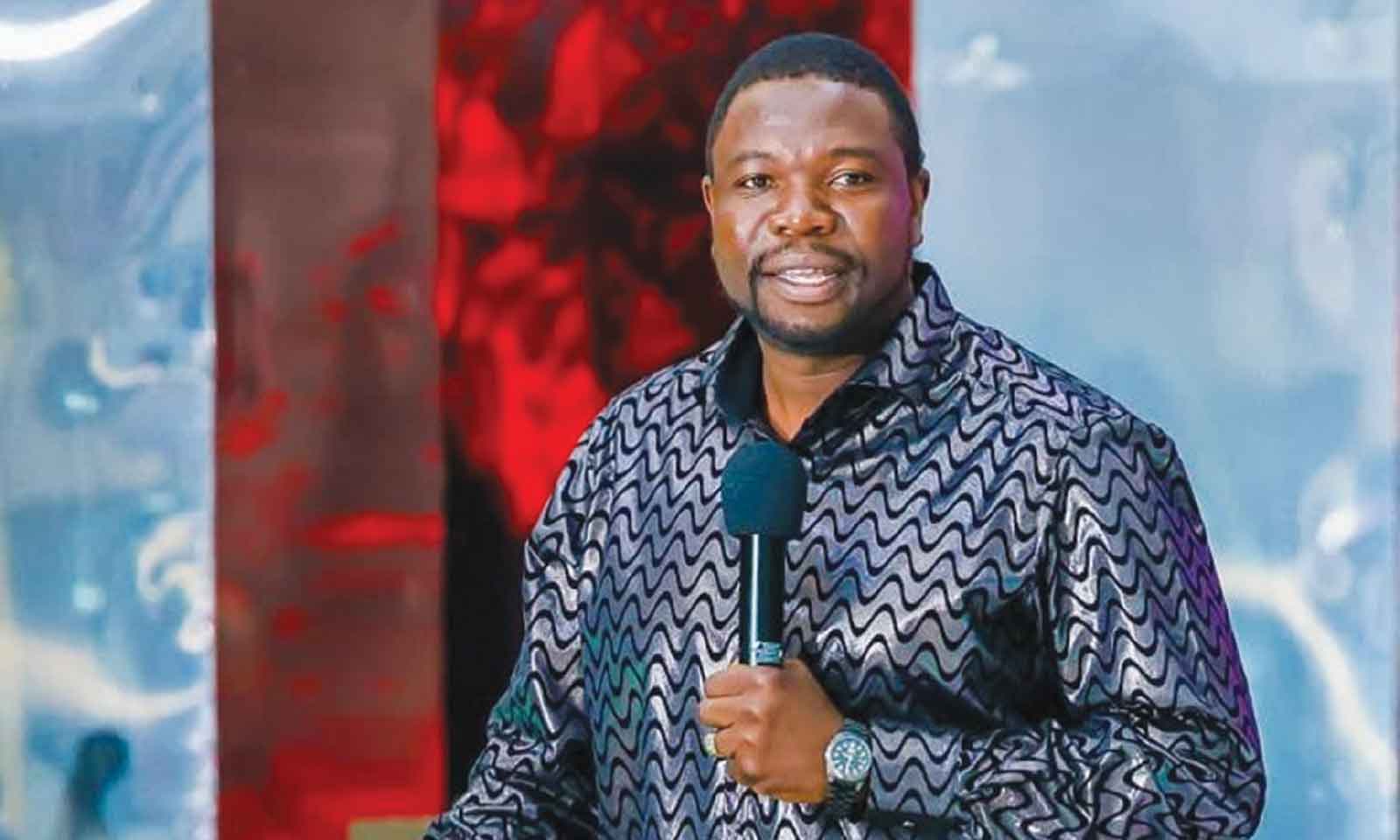
 Mathew Masinge
No! There is nothing under the sun that clearly confirms that the justice system is broken, is taken either lackadaisically or over enthusiastically, is corrupt and is ineffective. We cannot sugar coat such blatant lack of attention to detail with excuses that it is human to err. Lives were disrupted, not for the two brothers only but for the entire society. How many more people are languishing in our prisons having committed no offence and the main reason being that they couldn’t afford to fight enough to prove their innocence? Is the justice system going to escape scrutiny and blameworthy by claiming that it is human to err? What kind of compensation can restore loss of dignity? What happened to the review process of cases and their judgements? We should never allow this to happen, especially in systems that claim to be effective, efficient and froth with checks and measures. It must NEVER happen. Someone should be held accountable, period!