Online Reporter
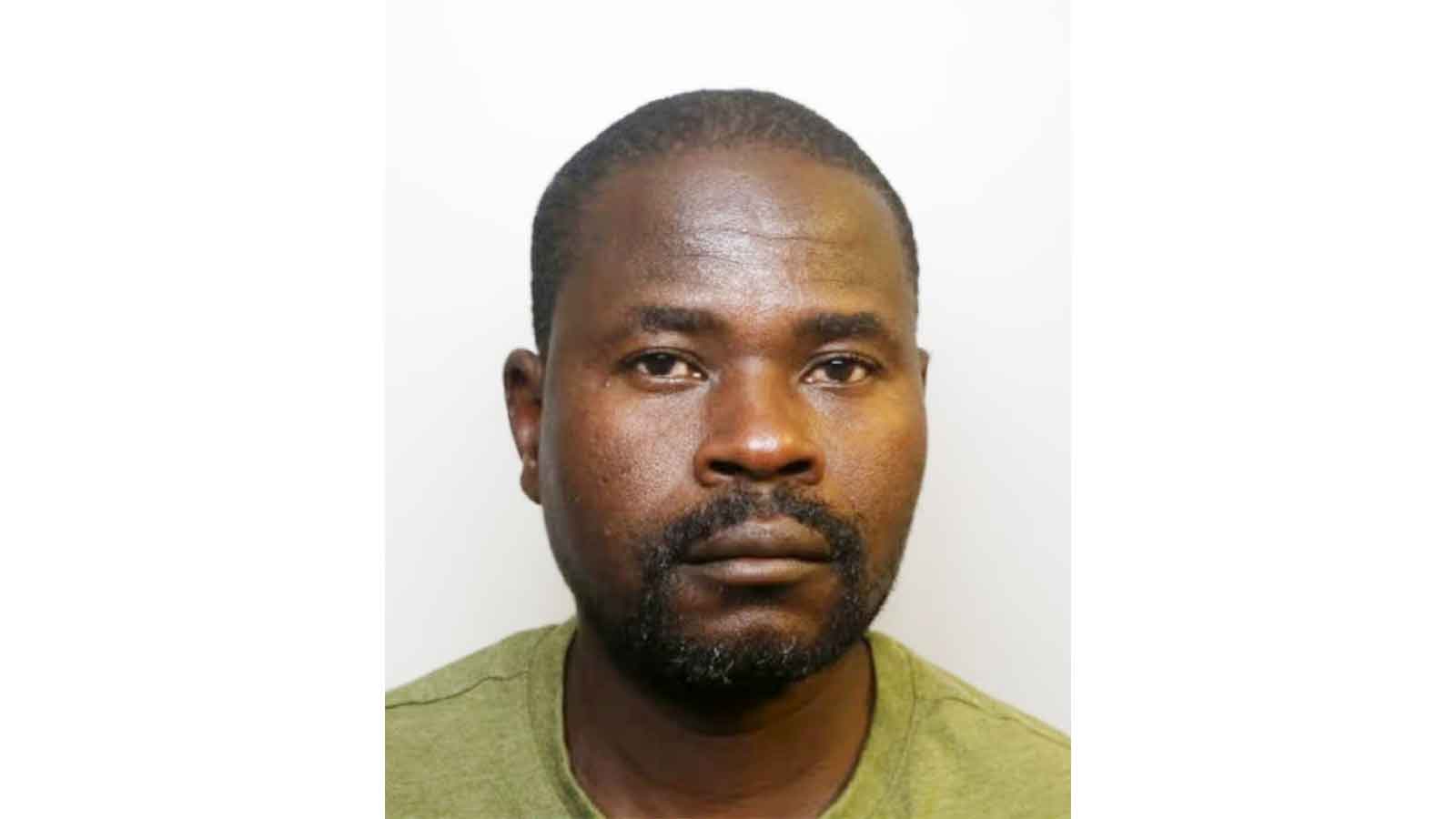
LAST week, police announced the arrest of a truck driver who was bust with two tonnes of mbanje in Harare.
It was a major victory in the fight against drugs, which have been flooding our streets and communities, and destroying lives along the way.
As a newspaper, which has always taken a frontline role in pushing content which highlights the dangers of drug and substance abuse in this country, we celebrated that big victory by our police.
Two tonnes of mbanje taken off our streets and communities is a big deal. But, not so, from some of our readers.
As we reported yesterday, some of our readers are concerned that this arrest just takes away a courier and doesn’t destroy the network which is moving these drugs.
They argue that our detectives should have used this breakthrough to get to the root of the problem —the arrest of the kingpins who are behind this contraband.
They say our detectives could have waited, during their surveillance, until this delivery reached a point where they could tell the kingpins who were behind this contraband.
We understand their point.
We acknowledge that while every drug seizure is important, the real measure of success should not be how many drivers or couriers are arrested, but whether the kingpins behind these criminal networks are identified, prosecuted and removed from society.Like many countries around the world, we are facing a growing challenge from drug trafficking and substance abuse.
Our communities are being devastated by dangerous drugs that destroy lives, families and futures.
In such a battle, our law enforcement officers must focus on dismantling the entire criminal enterprise rather than merely catching the people found at the lowest levels of the chain. Drivers and mules are often the most visible and easiest targets for investigators.
They are the individuals physically transporting the drugs from one location to another.
In many cases, however, they are simply cogs in a much larger machine. The real beneficiaries of the drug trade are the kingpins who finance operations, organise distribution networks and pocket enormous profits while exposing others to the risk of arrest.
These individuals frequently insulate themselves from direct involvement, using intermediaries and vulnerable people to transport their products. As long as these masterminds remain free, the flow of drugs will continue regardless of how many drivers are arrested.
This is why police investigations should not end with the seizure of drugs and the arrest of those caught transporting them.
Every arrest should be viewed as an opportunity to gather intelligence, trace financial transactions, identify suppliers and expose the higher-ranking individuals directing the operation.
The ultimate goal should be to dismantle entire networks rather than merely disrupting one shipment. Drug syndicates can easily recruit new drivers and couriers if the people at the top remain untouched.
However, when organisers, financiers and major distributors are arrested and their assets confiscated, criminal organisations suffer significant damage.
Such action sends a powerful message that no one is beyond the reach of the law.