Chronicle Editor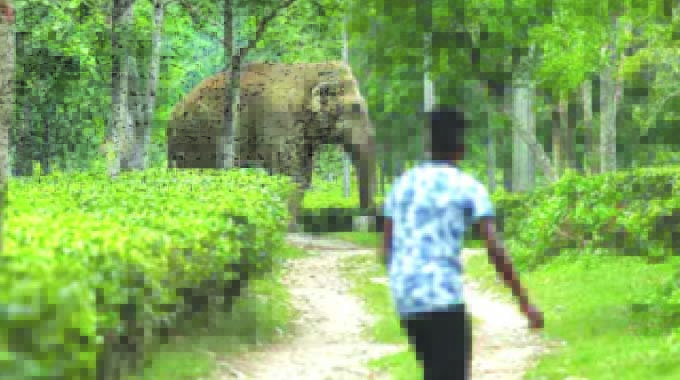
Mahlabezulu Zulu
WILDLIFE research and conservation is vital for the survival of different species of wild animals, and improvement of the country’s economy as tourists travel from around the globe to come and see some of these species that Zimbabwe is gifted with such as lions, honey badgers, elephants and the endangered painted dogs, leopards, pythons and many others.
Some of these research or conservation projects have their centres close to communities and a few such organisations have their centres located deep in some national parks or forestry areas in which the specific wild animal being researched on, or promoted for conservation is found.
Most communities, especially those in rural areas that share boundaries with forestry or national park areas where these research or conservation projects are based tend to benefit in terms of employment opportunities, run self-help projects and promotion of educational programmes, that is, building more classroom blocks for schools or offering of scholarships to learners.
It is good that such organisations extend an olive branch to communities so that such communities are cushioned from the negative effects of human and wildlife conflict and understand the operation of these organisations in saving the animals from being extinct or endangered and promote education which can be used as a weapon to promote conservation of wildlife.
Despite the fact that such organisations offer beneficial opportunities to communities due to their unapproved record of causing human and wildlife conflicts it’s unfortunate that some of these wild animals they research on or promote, for example the hyena and lion have sometimes been “painted with the wrong brush” in some human and wildlife incidents and this has had many negative repercussions which include spoiling the research or conservation project operating around that communal area.
Elephants, with their unique spoors have always been easily identified if they move into neighbouring communities inhabited by people and destroy crops, fruit trees or damage water supplies or drainage pipes.
These incidents happen in towns and cities like Dete, and Victoria Falls where animals from neighbouring national parks, especially nocturnal ones like the honey badger and hyenas which invade such human habitats to prey on easy domesticated animals like chickens.
Identifying spoors of some of the carnivorous wild animals like hyenas, leopards or lions when they visit, attack or kill some of the domesticated animals which in most cases will have been left out of the kraal especially overnight has been a challenge for most villagers or community members who always blame the custodians of the parks.
In some communities, some species of wild animals have become popular because wildlife research or conservation organisations run programmes related to promoting their survival through conservation education programmes.
Vehicles with logos related to the animal, which in most cases might be a picture or drawing of the wild animal are always seen driving through communities, and neighbouring protected areas like national parks or forestry areas promoting such educational and research programmes.
It is unfortunate that sometimes, unprecedented incidents of livestock attack especially at night happen in such places where such organisations operate.
All hell always breaks loose when community members sometimes suspect from animal spoors found and mode of attack during killing and complain that some of these wild animals are sometimes kept at a secret place in the park or forestry area for breeding purposes and sometimes released to explore communities especially at night as part of researches.
Community members sometimes throw spanners in human and wildlife community meetings to show their disgruntlement in such incidents involving loss of their livestock to suspected wild animal attacks as research linked.
One victim of such an incident who lost two cows to killings by a suspected carnivorous animal from Hwange National Park, Mr Samson Sibanda a villager in Chezhou Village close to the park in Dete area said in one of the meetings, “I thought these researches were genuine, it seems these researches on collared animals involve releasing the animals to communities at night so as to study how they attack our livestock.
From spoor identification, I suspect the collared lions which are sometimes seen roaming the park are the ones which killed my two cows.”
Spoor and mode of killing of the carnivorous predators sometimes needs expert knowledge and experience to identify the correct predator.
Villagers, because of lack of such expertise and experience sometimes associate such killings with popular animals being researched on. Such animals, when suspected to be causing problems within communities are always labelled “researchers or conservation projects animals” and this has spoiled the relationship between such projects and communities where these projects operate.
Community members might be blamed for such mishaps, the big question is: Are community members getting enough information in the form of education, involving the responsible authority, Parks and Wildlife Authority about the so called “researcher or conservation project wild animal ownership” which sometimes has thwarted the effective operations of such projects due to poor relationship with some communities.
Due to lack of such knowledge, some community members believe and have a perception that researchers or people doing conservation projects associated with such animals have gained “total ownership” of the animal.
The department of Parks and Wildlife Authority as the custodian of wildlife in the country should go deeper sometimes through joint educational or community meetings with such research or conservation programmes to educate community members on issues like wildlife ownership and role of communities in conserving wildlife.
The offering of operating licences by the Parks and Wildlife Authority to such projects is a prerequisite so that their existence, and operation is known, but their safety and success in terms of operating in communities hinges on imparting knowledge.
Mahlabezulu Zulu is a conservationist who has worked for various wildlife research, and conservation organisations in Hwange National Park, and Fuller Forestry in Victoria Falls. He can be contacted on 00263(0)713269827/0776196171. Email [email protected] or [email protected]



 Online Reporter