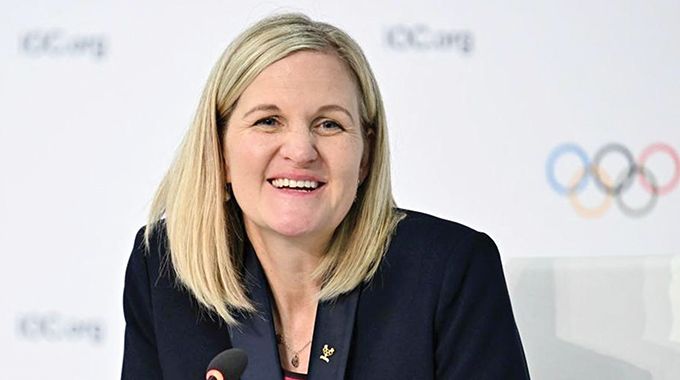
Dr Grace Musandirire
Building Generational Wealth
Youth unemployment remains a major concern for many families in Zimbabwe. Every year, young people complete their studies at universities, colleges and other learning institutions with hopes of securing formal employment. However, opportunities are limited, leaving many graduates at home, searching for jobs and depending on their parents for financial support.
Yet, in some of these households, there is already a business generating income, supporting the family and even providing employment to other people. The irony is that while young people struggle to find jobs, they may be overlooking an opportunity that is right before them: the family business.
Education must create opportunities
Education is essential because it equips young people with knowledge, skills and the ability to solve problems. However, education should not only prepare individuals to seek employment. It should also prepare them to create employment, innovate and build sustainable enterprises.
A young person who has studied accounting, marketing, information technology, agriculture, tourism or business management can bring valuable skills into an existing family business. Instead of waiting indefinitely for a job opportunity, graduates can use their qualifications to improve operations, attract customers, introduce digital systems and expand the enterprise.
The question we must ask ourselves is this: are we educating our children only to look for jobs, or are we preparing them to become job creators?
Why do children reject family businesses?
One challenge facing some family businesses is the perception that working for a parent is less prestigious than working for a corporate organisation or a government institution. Some young people believe that success must come from starting something entirely new or securing employment outside the family.
In other cases, parents may have built their businesses through years of sacrifice, starting small and gradually expanding. Their children, having grown up enjoying the benefits of that success, may not fully appreciate the effort, risks and discipline required to sustain it.
There are also legitimate reasons for reluctance. Some children may have different career interests, while others may feel excluded from decision-making or believe that their ideas will not be respected. Parents must, therefore, create an environment where young people can contribute, learn and take responsibility rather than simply expecting them to follow instructions.
A family business should not become a place of forced employment. It should be an opportunity for partnership, innovation and growth.
Turning family businesses into engines of growth
Parents who have established businesses must recognise that preparing the next generation is part of building generational wealth. They should begin involving their children in business discussions, financial planning, customer relations and decision-making while the business is still operating successfully.
Young people, in turn, must be willing to learn from the experience of their parents. They may possess modern qualifications and technological skills, but their parents often have years of practical experience, customer relationships and an understanding of the market.
When these strengths are combined, the business can become more competitive.
For example, a graduate can introduce online marketing, improve bookkeeping, establish proper inventory controls or develop new products and services. A family enterprise that once served a small community could expand into new markets, employ more workers and contribute to economic development.
This is how an existing business can become a platform for innovation rather than an outdated operation.
From dependency to responsibility
Another important issue is the financial responsibility within families. In some households, one business supports parents, unemployed adult children, school-going children and other dependants. The business owner carries the pressure of generating income for everyone, sometimes without receiving meaningful support from the next generation.
If the children refuse to participate in the enterprise but continue depending on its income, the burden remains with the parent. Over time, this arrangement may weaken the business and undermine its ability to survive beyond the founder.
Young people must understand that family wealth comes with responsibility. They should not only inherit the benefits of their parents’ sacrifices but also develop the skills and commitment required to preserve and grow those achievements.
Parents must also distinguish between providing for their children and preparing them for independence. Support should be accompanied by opportunities to learn, contribute and become financially responsible.
Preparing for Generational Wealth
A business that depends entirely on its founder is vulnerable. Illness, retirement or death can threaten its continuity if there is no succession plan and no prepared successor.
Family businesses therefore need clear systems, proper financial records, defined responsibilities and deliberate leadership development. Parents should identify interested and capable children, mentor them and gradually entrust them with responsibilities. Where children choose different careers, families can explore professional management or other appropriate succession arrangements.
The objective is not simply to hand over a business. It is to build an institution that can survive, create employment and serve future generations.
Zimbabwe needs young people who are willing to think beyond employment and embrace entrepreneurship. It also needs parents who are prepared to share knowledge, empower their children and build businesses that can outlive them.
The family business may not be every child’s chosen career, but it should not be dismissed merely because it was built by a parent. With mutual respect, innovation and proper management, it can become a source of dignity, independence and opportunity.
Generational wealth is not measured only by what parents accumulate, but also by what the next generation is equipped and willing to sustain.
About the Author
Dr Grace Musandirire is a Christian businesswoman, tourism and hospitality entrepreneur, motivational speaker and advocate for Building Generational Wealth. She is the Managing Director of Graceland Waters Resort and the founder of Anthill, Kopje Hill and Mount Nyangani, business-development platforms that support entrepreneurs at different stages of growth. Through her business activities, speaking engagements and writing, she promotes entrepreneurship, leadership development, financial responsibility, succession planning and the creation of sustainable wealth for future generations.
Contact: +263 772 391 339