Muchaneta Chimuka
THE Ministry of Primary and Secondary Education, working with education advocacy organisations, has identified funding gaps in the 2027 National Budget and proposed measures to address them.
The post – budget analysis was conducted in collaboration with the Education Coalition of Zimbabwe (ECOZI), Campaign for Female Education (CAMFED), Students and Youth Working on Reproductive Health (SAYWHAT) and the Zimbabwe Network of Early Childhood Development Actors (ZINECDA).
In the 2027 National Budget presented by Finance Minister Professor Mthuli Ncube, the Ministry of Primary and Secondary Education received the largest ministerial allocation of ZiG47,7 billion, while the Ministry of Higher and Tertiary Education, Innovation, Science and Technology Development was allocated ZiG15 billion.
The allocation to primary and secondary education is intended to cater for basic education programmes, staff costs, learning materials, examination fee subsidies and school infrastructure.
The higher and tertiary education allocation will support institutional operations, student welfare, infrastructure development and innovation hubs.
The analysis also reviewed previous allocations, noting that the Ministry of Primary and Secondary Education received ZiG46,8 billion in 2025, before its allocation increased by about 1,3 percent in nominal terms to ZiG47,4 billion in 2026.
Despite the substantial allocations, the review identified gaps in funding for essential needs, including sanitary wear and school feeding programmes, as well as the impact of rising food prices.
The Government highlighted domestic resource mobilisation as key to addressing some of the funding shortfalls and ensuring that essential education needs are adequately supported.
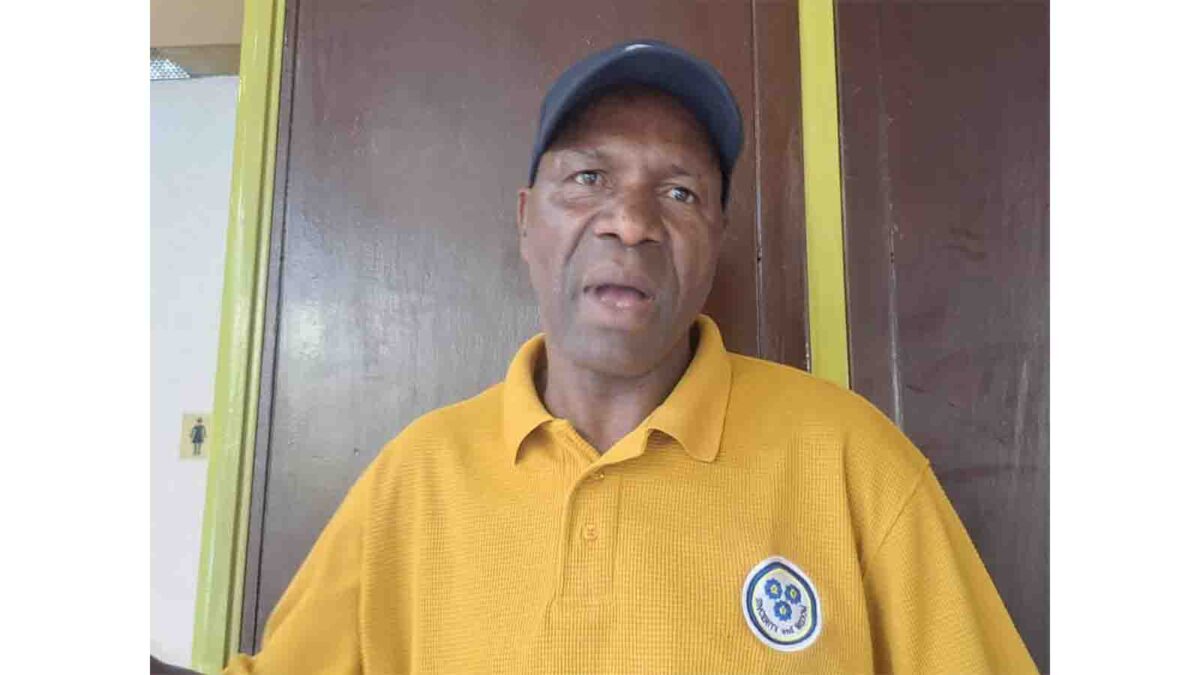
Progressive Teachers’ union of Zimbabwe programmes officer and ECOZI vice chairman, Mr Ladistous Zunde, said the national budget is more than just a financial statement, but it reflects the Government’s policy priorities, development aspirations and commitment to improving the lives and livelihoods of citizens.
“We thank the Government for supporting learners’ welfare through channelling more funds to education,” he said.
“The national budget determines how national resources are mobilised, allocated and utilised to address the needs and priorities of our people.
“As stakeholders, it is therefore important that we understand the key provisions of the 2027 National Budget, assess its implications for different sectors and communities and identify opportunities for strengthening public participation, accountability and inclusive development.”
He said the presentation by their consultant provided an important opportunity to critically examine the 2027 Budget, appreciate its strengths, interrogate its gaps and identify areas that may require further attention and engagement.
“We particularly look forward to understanding how the budget responds to the needs of vulnerable and marginalised communities, supports sustainable development, promotes equitable resource allocation and addresses the socio-economic challenges facing our country,” he added.
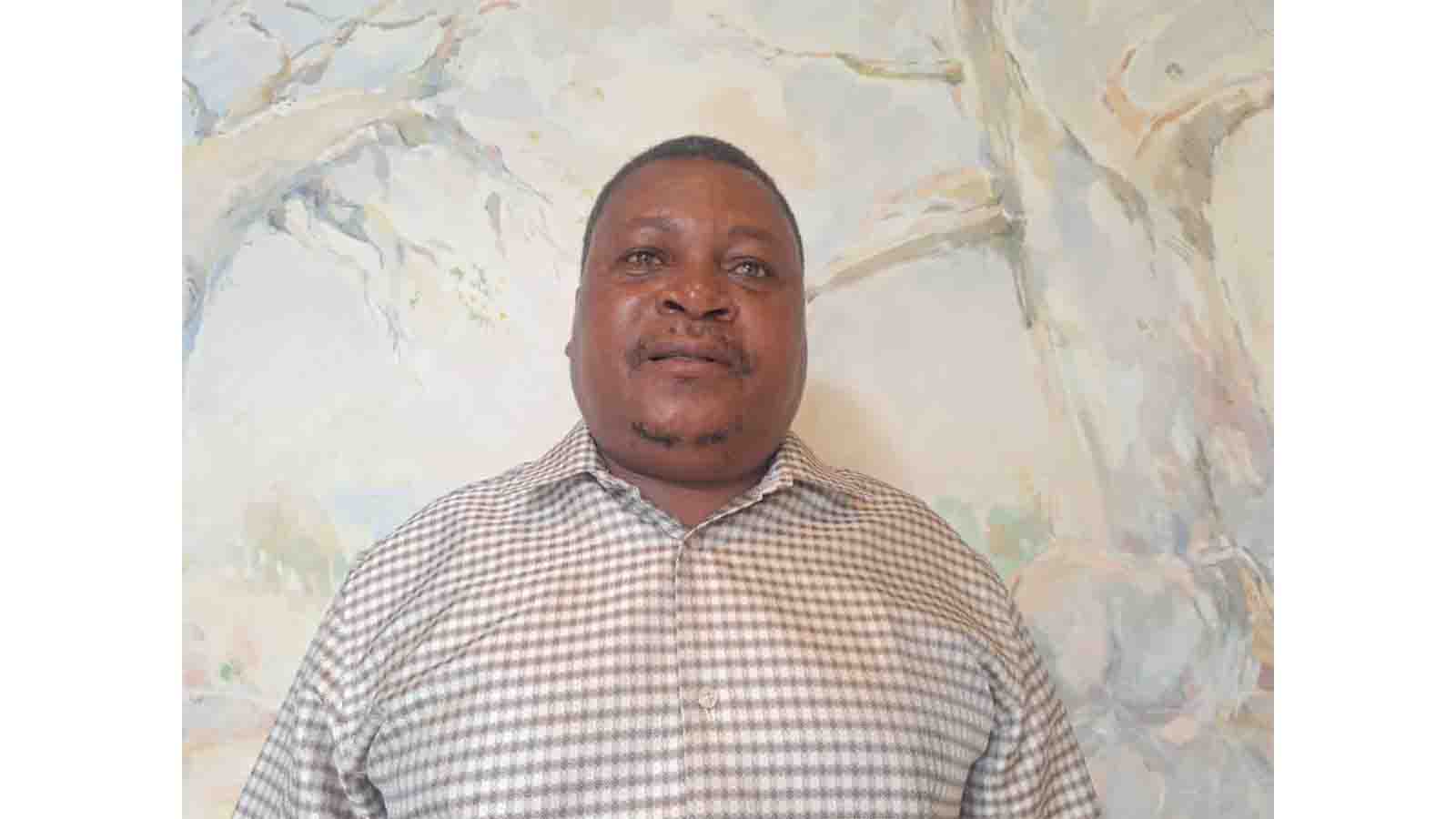
The chairperson of the Parliamentary Portfolio Committee on Primary and Secondary Education and Zaka North legislator Ophias Murambiwa said the engagement is constructive as it recognises meaningful national development, paving the way in alleviating some of the issues that are affecting the education sector.
“Today we meet to ask whether the 2027 Budget brings us closer to quality, equitable education for every child in Zimbabwe,” he said.
“Section 75 of the Constitution guarantees every child the right to a basic State-funded education and Section 299 mandates that Parliament monitors how public funds are spent.
“Vote 15 received ZiG47,7 billion, the largest allocation in the 2027 Budget, and we thank Treasury for allocating above the indicative ceiling.
“We also welcome the increases for school feeding, sanitary wear, learning materials and early childhood education, as well as the named list of school projects recommended by the Committee.”
He, however, said the allocation remains below what the sector needs and below international benchmarks, and the committee has questions about how the money is shared between salaries, classroom inputs and infrastructure.
He urged the Treasury to release the funds on time to ensure that learners get quality education.
Representative of the Parliamentary Portfolio Committee on Higher and Tertiary Education and Warren Park legislator Dr Shakespear Hamauswa said it is their responsibility to ensure that budgetary allocations translate into improved access to quality, inclusive and equitable education for all Zimbabweans.
“In examining the 2027 education budget, I wish to highlight three key areas that warrant our attention,” he said.
“Firstly, the adequacy of education financing. We must assess whether the resources allocated to education are sufficient to address the sector’s priorities, including infrastructure development, learning materials, research and innovation and the improvement of teaching and learning conditions.
“Particular attention should be given to ensuring that higher and tertiary education institutions are adequately resourced to fulfil their mandate under the Education 5.0 philosophy.”
He added that there is a need for budget execution and accountability and emphasised that budget allocations must be matched by timely disbursements and effective utilisation of resources.
“We must therefore interrogate whether allocated funds are reaching educational institutions and whether they are making a meaningful difference in service delivery,” he said.
“Equity and inclusivity in education financing. We must ensure that budgetary provisions adequately address the needs of vulnerable learners, particularly those in disadvantaged communities and learners with disabilities.
“Programmes such as BEAM, school feeding initiatives, and other educational safety nets require predictable and adequate financing to ensure that no learner is left behind.”