

 Peter Tanyanyiwa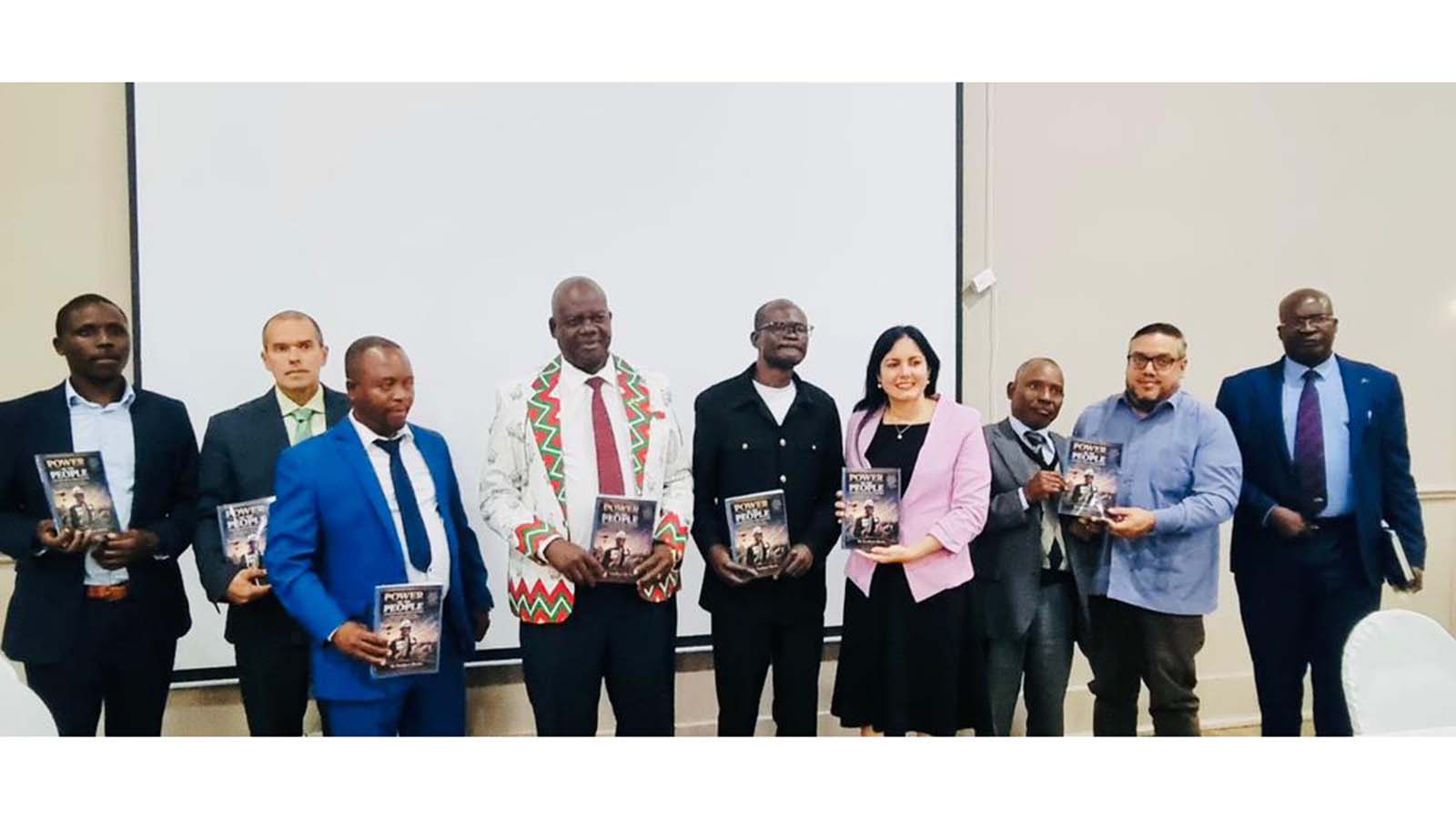
Peter Tanyanyiwa
Herald Reporter
EDUCATION remains central to translating the philosophy of “Nyika Inovakwa Nevene Vayo” into sustainable national development, Primary and Secondary Education Minister Torerayi Moyo has said.
Speaking at the official launch of Dr Norbert Hosho’s book, Power of the People: Advancing the Pan African Doctrine “Nyika Inovakwa Nevene Vayo / Ilizwe Lakhiwa Ngabanikazi Balo”, on Tuesday, Minister Moyo said building a nation depended on equipping citizens with the right skills, values and mindset.
“A nation is not built merely through infrastructure. It is built through minds. It is built through values. It is built through discipline. It is built through skills,” he said.
“It is built through productive citizens who understand that development is not something delivered to them, it is something created by them.”
Minister Moyo said the publication represents more than an intellectual concept, describing it as a “living doctrine” that reflects Zimbabwe’s development trajectory under the Second Republic.
“I had the distinct honour of being invited to write the foreword to this publication, and I accepted with great enthusiasm because this book captures not merely an idea, but a living doctrine,” he said.
He added that the philosophy – which emphasises citizen participation in national development – had found practical expression through policies and programmes being implemented by the Government.
“This doctrine, consistently articulated and practically demonstrated under the visionary leadership of His Excellency President Emmerson Dambudzo Mnangagwa, speaks to the very soul of nationhood,” said Minister Moyo.
“It reminds us that sovereignty without productivity is incomplete, independence without ownership is fragile, and development without citizen participation is unsustainable.”
The Minister said Zimbabwe’s education system was being reoriented towards a production-focused and innovation-driven model aligned with national development priorities.
“Education must therefore answer one critical question: How do we prepare citizens to build their own nation?” he said.
“Our answer is clear: By producing learners who are patriotic, innovative and productive.”
Demonstrating his support, the Minister purchased a copy of the book for US$1 000 at the launch and revealed that he had already presented a personal copy to President Mnangagwa, noting that the President’s leadership had inspired the work.
He said his involvement went beyond ceremonial endorsement, having reviewed the manuscript and written its foreword ahead of publication.
Author Dr Hosho said the book was informed by his direct experience within Zimbabwe’s policy and education environment, where he observed the philosophy evolving from rhetoric to implementation.
“I came to this subject not as an observer from the outside,” he said.
“I came as a practitioner, working within Zimbabwe’s educational and policy environment — watching this philosophy move from declaration to delivery.”
He said the publication seeks to provide a scholarly framework for understanding development anchored in African realities.
“The central argument is this: Sustainable development is fundamentally dependent on citizen agency, supported by enabling institutions and effective leadership,” said Dr Hosho.
He said the book was intended to be a serious academic contribution to debates on governance, development and Pan-Africanism, rather than a political pamphlet.


 Online Reporter