admin
admin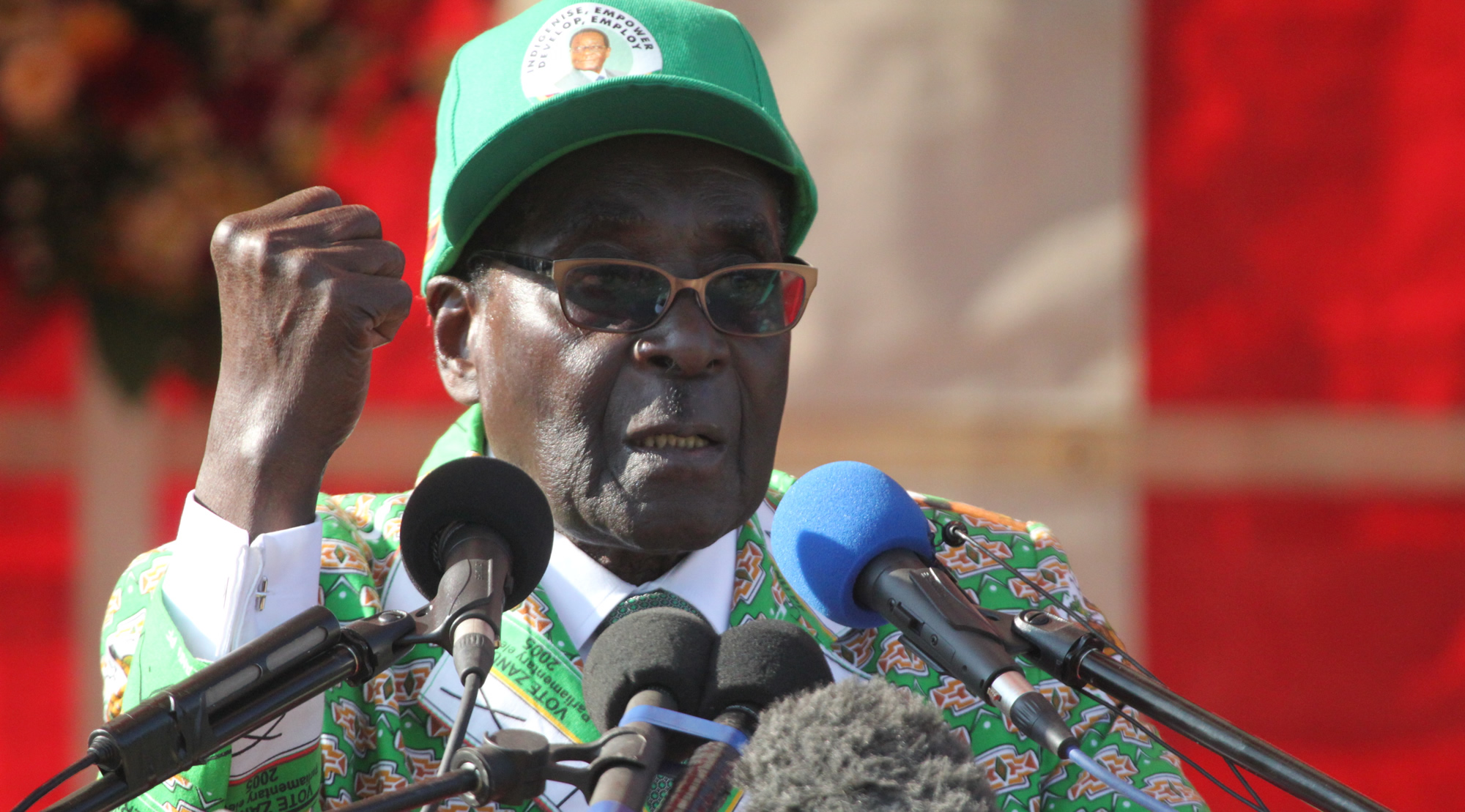

Zimbabwe’s struggle for total emancipation occured under different stages, with the initial one being the armed struggle that culminated in independence in 1980. When the Government embarked on a robust education-for-all policy post-1980, little did many realise that it was a continuation of the struggle to completely free the majority from mental slavery.
President Mugabe has paid tribute to the education system that the country introduced in 1980 saying the products of the system were now better prepared to make full use of the indigenisation programme since they had knowledge and skills to run the economy.
The President said the Zanu-PF Government had empowered the majority through education so that they would become masters of their own destiny.
The indigenisation and economic empowerment programme seeks to place majority shareholding in all foreign owned companies with an asset value of or above US$500 000 in the hands of indigenous Zimbabweans.
Zimbabwe remains the highest ranked African country in terms of literacy despite more than a decade of ruinous western economic sanctions regime testifying to the strong foundation laid since 1980.
A lot of infrastructure was built to support the education system and it is the envy of many in Africa and beyond. Results from our education system speak for themselves as Zimbabwean graduates hold key positions in many countries around the world, including the very countries that have imposed sanctions on Zimbabwe.
The call by the President is to turn this investment in education into economic empowerment.
Zimbabwe did not educate all these countless graduates so that they could be employees of foreigners and continue to derive pride from being chief executive officers in firms they do not own.
The education was meant to make our people have greater aspirations in all the fields of their expertise so that they could take over areas that those we defeated yesterday still cling to and use to handicap our charge towards total economic independence. As the President alluded our education should ensure we are not befuddled by statistics that are meant to mask our poverty through giving a picture of economic growth reflecting largely the performance of non-indigenous owned companies.
“Some of you pride yourselves saying our Gross Domestic Product has reached this level, but what really in that GDP is yours. The GDP should contain upwards of 80 percent of what is our own,” the President said last week in Masvingo.
If there is an area in our education system that still makes our graduates fear being masters of their own destiny through owning their businesses that ghost has to be exorcised and be dealt with without further delay since the new dispensation has no room for contentment only through provision of labour while the profits are siphoned out of the country.
Our syllabuses may need to be looked at quite closely so that we produce brave warriors for the market place instead of timid potential employees that are ever so eager to serve foreigners when they can create employment themselves.
However, the process of indigenisation would also require banks to change their attitude towards indigenous people since the term indigenous has been burdened with derogatory connotations in these quarters.
We believe this is another product of our education system coupled with banks policy working against our goal of empowering the majority.
The managers at these banks should be able to identify potential in our aspiring black businesspeople seeking loans instead of waving the red flag of “risk” each time an indigenous businessperson walks through their doors.
Let us make our literacy count. It is meant to open economic doors for us. It shall open the doors.
The time has come to change our attitude towards economic empowerment and channel our shrewd business management we offer to conglomerates towards growing our own businesses. A challenge has been thrown at us; we were educated so that we could make a difference in this era.


 Online Reporter