

 admin
admin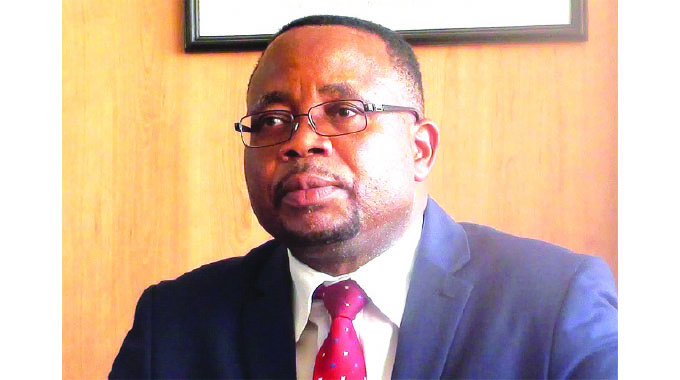
Herald Reporter
With Zimbabwe having about a third of the required scientific and technical skills necessary for rapid economic development, Government is working round the clock to expand and retain the country’s human capital skills, Skills Audit and Development Minister Paul Mavima has said.
In other areas skills are far more available and a modest surplus has been identified in business administration and management.
In an interview, Minister Mavima said a comprehensive audit conducted in 2018 highlighted a significant deficit of 68 percent in the necessary technical and scientific-based skills required to foster economic development in alignment with the National Development Strategy 1.
To bridge the gap, his ministry has intensified efforts to address the shortage and ensure a robust human capital base capable of driving sustainable economic growth.
“We have the findings of the current status of the human capital in the country. We started on the baseline of 2018 which identified areas which include the STEM areas, engineering, the sciences, agriculture, mining and medical sciences.
“We have an overall shortage from that audit of 68 percent and our skills base was estimated to be 32 percent. There are a few areas where there was a little bit of over-supply of skills and that’s in the area of business administration and management.
“Part of the shortages that we have are the result of skills flight into the diaspora in various countries in Africa, North America, Europe particularly in the United Kingdom but also into Oceania including New Zealand and Australia.”
Minister Mavima said through strategic initiatives and targeted interventions, authorities aim to bolster the retention of skilled individuals and enhance the country’s capacity to meet the demands of the evolving economic landscape.
“By prioritising skills retention and development, the Government aims to foster an environment conducive to innovation, productivity, and overall socio-economic advancement.
“We still lack mainly in those areas even though the Ministry of Higher Education sector has been trying to intervene to increase output in the shortage areas which were identified in the audit.
“We need the essential skills that are in the diaspora and the idea is that those skills need to be taken into the country one way or the other either by trying to lure them back or making sure that they contribute to the economy remotely wherever they are, so Zimbabwe can benefit from the experience that they have now gained,” he said.
There was need to embrace artificial intelligence as that enhanced economic development by bringing efficiencies.
“AI has impacted the world both positively and negatively. On the positive side, AI can increase efficiencies when you have set up these applications. You remove the human errors especially in the decision-making and in the smoothness of operations.
“AI in itself is a good thing for the productivity of various operations, be it service delivery, manufacturing.”



 Peter Tanyanyiwa
 Online Reporter