daniel chigunwe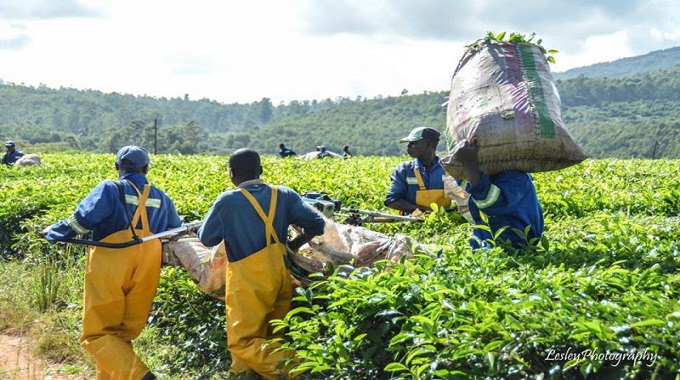
Enacy Mapakame
As part of efforts to limit the adverse impact of the El Niño induced drought, listed agriculture concern Ariston Holdings Limited temporarily suspended production of some crops to preserve water for segments already planted under irrigation.
The Southern African region, Zimbabwe included, experienced limited rainfall during the 2023/24 agriculture season due to El Niño, adversely impacting on the agriculture sector and downstream industries.
The impact of the El Niño induced climatic conditions were experienced at all the Group’s estates, although to varying degrees.
According to the Group, year to date rainfall for the Chipinge located estates was 19 percent below prior year and 1 percent below prior year for Chimanimani.
On the other hand, Norton’s rainfall was worse off at 21 percent below the prior comparative period, coupled with poor distribution characterised by a significant hot period with no rain.
This forced the Group to implement measures to sustain the business for instance putting on hold production in some segments, which has weighed on its earnings performance for the half year to March 31, 2024.
“In response to the dry spell, other products such as potatoes were not grown in the current period, in order to preserve the dam water for the commercial row crops that were planted under irrigation. This resulted in a decline in revenue generated from other products. The commercial row crops are harvested and sold in the second half of the year,” said Group chairman Alexander Jongwe in an operations review for the period.
During the six-month period, tea production improved by 14 percent to 1 830 tonnes compared 1 599 tonnes recorded during the same period in the prior year despite bad weather.
Jongwe revealed the Group had mitigatory measures in place, to ensure that production volumes would not be severely affected. However, all dryland agricultural activities were limited.
During the period, average selling price for tea improved 6 percent although this was coupled by suppressed export tea demand which resulted in export tea volumes declining by 56 percent.
This resulted in a 53 percent decline in export tea revenue.
However, local tea demand remained firm evidenced by a 40 percent increase in local tea sales volumes compared to the prior comparative period.
Overall, tea sales revenue ended the period 14 percent below the prior comparative period.
Macadamia production volumes for the period at 603 tonnes were 4 percent below the prior comparative period. During the current period, 386 tonnes of macadamia nuts were sold, but all these nuts related to the stocks held at the start of the current year.
“No current season macadamia nuts had been sold as at March 31, 2024 as the season commences in April. In the prior comparative period, no macadamia nuts were sold during the first half of the prior year as sales commenced in the second half of the year,” said Jongwe.
In terms of financial performance, revenue of US$2 427 642 generated during the first half of the year was 7 percent below the prior comparative period. This was mainly attributable to a decline in export tea volumes.
The decline in revenue posted, coupled with the 27 percent increase in the cost of production resulted in the Group posting a gross loss during the period.
In the comparative period, the Group had unrealised exchange losses, mainly arising from US dollar denominated liabilities.
Since the change in functional currency, exchange gains have been generated arising from Zimbabwe dollar denominated liabilities.
Finance cost declined by 5 percent, when compared to the prior comparative period.
“As a result of all the above, the Group posted a 14 percent improvement in the loss incurred during the first half of the year,” he said.
Total assets improved to US$31 million during the half year period from prior year’s US$27 million.
While the operating environment is expected to remain challenging, the Group is upbeat of better selling season for the year.
For Ariston, the first year is a cost accumulation period while the second half sees better earnings as it is the selling season.



 Online Reporter