Vusumuzi Dube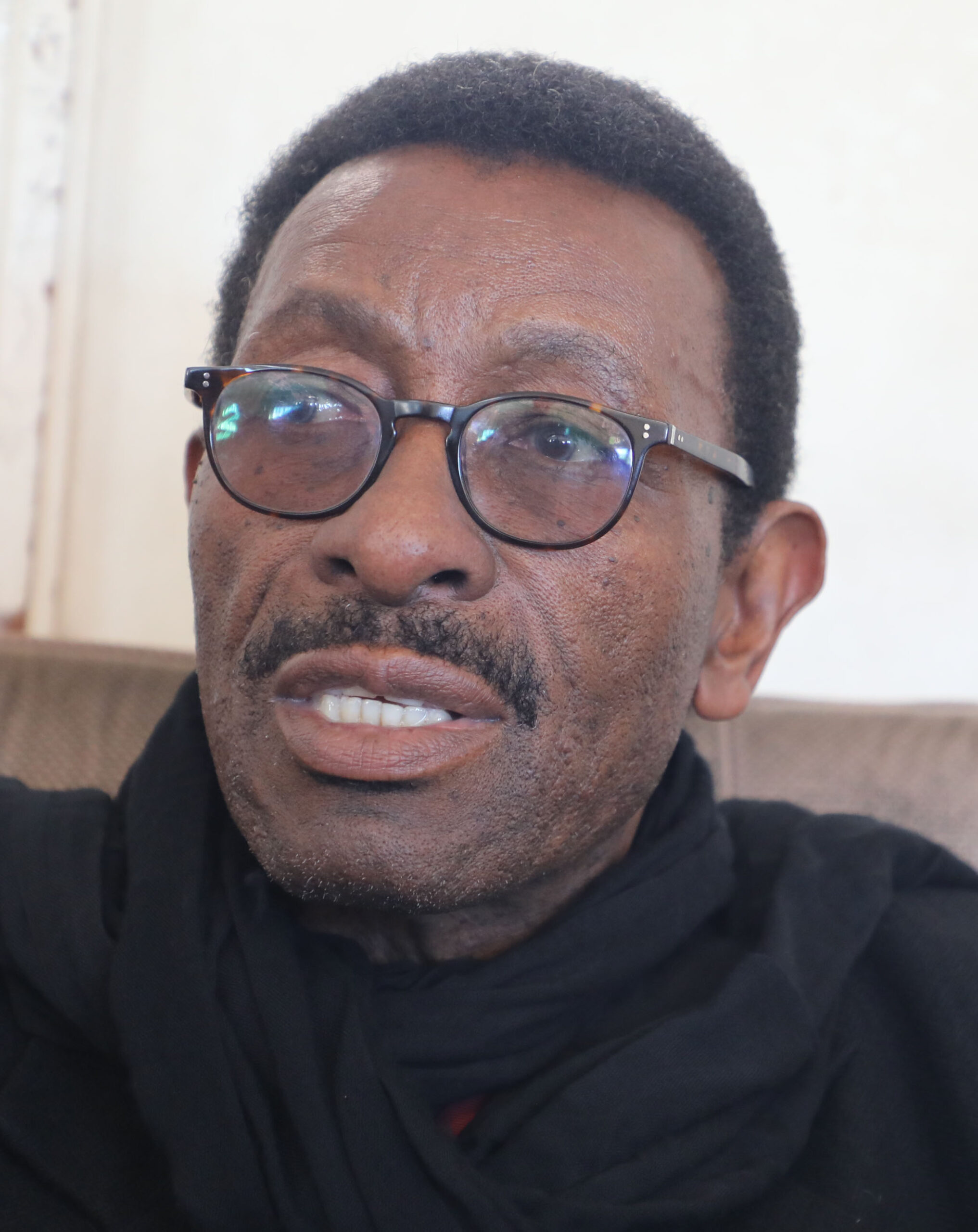
Peter Harry Wilson
Elections, the bedrock of democracy, hold the power to either unite or divide a nation. In our beloved Zimbabwe, a nation marked by historical political tensions and socioeconomic challenges, the call for elections to serve as a force of unity rather than division becomes imperative.
By prioritising collaboration among political actors and aligning electoral manifestos with shared core values centred around the well-being of Zimbabweans, the country can pave the way for unity, progress, and sustainable development.
Historically, the aftermath of many elections in Zimbabwe has left the country polarised along political lines. However, history teaches us that elections can be a catalyst for unity.
In 1980, Zimbabweans from diverse backgrounds united to create a new nation after the end of colonial rule. This spirit of collaboration needs rekindling, not just before elections, but throughout the entire political process.
Collaboration among political players has the potential to foster a collective vision for the nation’s future. Through open dialogue, cooperation, and compromise, political parties can transcend their differences and prioritise Zimbabweans’ interests over partisan agendas.
A precedent for this exists in South Africa, where negotiations among factions during the transition to democracy yielded unity, underpinning lasting progress.
A pivotal step in harnessing elections’ unifying potential is aligning political manifestos with shared core values. These values, grounded in the well-being of Zimbabweans, should transcend partisan lines.
Issues like healthcare access, education, land and employment affect both urban and rural communities. By highlighting these shared concerns in manifestos, political parties can underscore their commitment to the nation’s comprehensive development.
The well-being of Zimbabweans transcends political boundaries. Lessons from successful models, such as Finland, where parties cooperate on issues irrespective of governing status, can inform Zimbabwean politics, leading to tangible benefits for citizens and continuity across electoral cycles.
Distrust often mars the political landscape, breeding skepticism about political motives.
Transparency and inclusivity are key remedies. Multi-party forums for policy discussions before elections can build common ground and draft joint plans, promoting accountability and trust among political rivals.
Post-election collaboration is equally crucial. Zimbabwe can draw inspiration from Germany’s coalition governments, requiring parties to cooperate despite differing ideologies. These coalitions, founded on shared policy objectives, prioritise citizens’ interests.
Elections ought to function as threads weaving the intricate fabric of Zimbabwean society together, rather than driving wedges that deepen divisions.
By fostering collaboration among political actors before and after elections and incorporating shared core values focused on the well-being of citizens, Zimbabwe can transcend historical schisms and chart a collective trajectory towards progress.
Just as Zimbabweans exhibited unity during their struggle for independence in 1980, the nation now stands poised to once again showcase its resilience and dedication to a more promising future for all.
Mr Peter Harry Wilson is the leader of the opposition party, Democratic Official Party. He writes in his personal capacity.


 Online Reporter