


 Online Reporter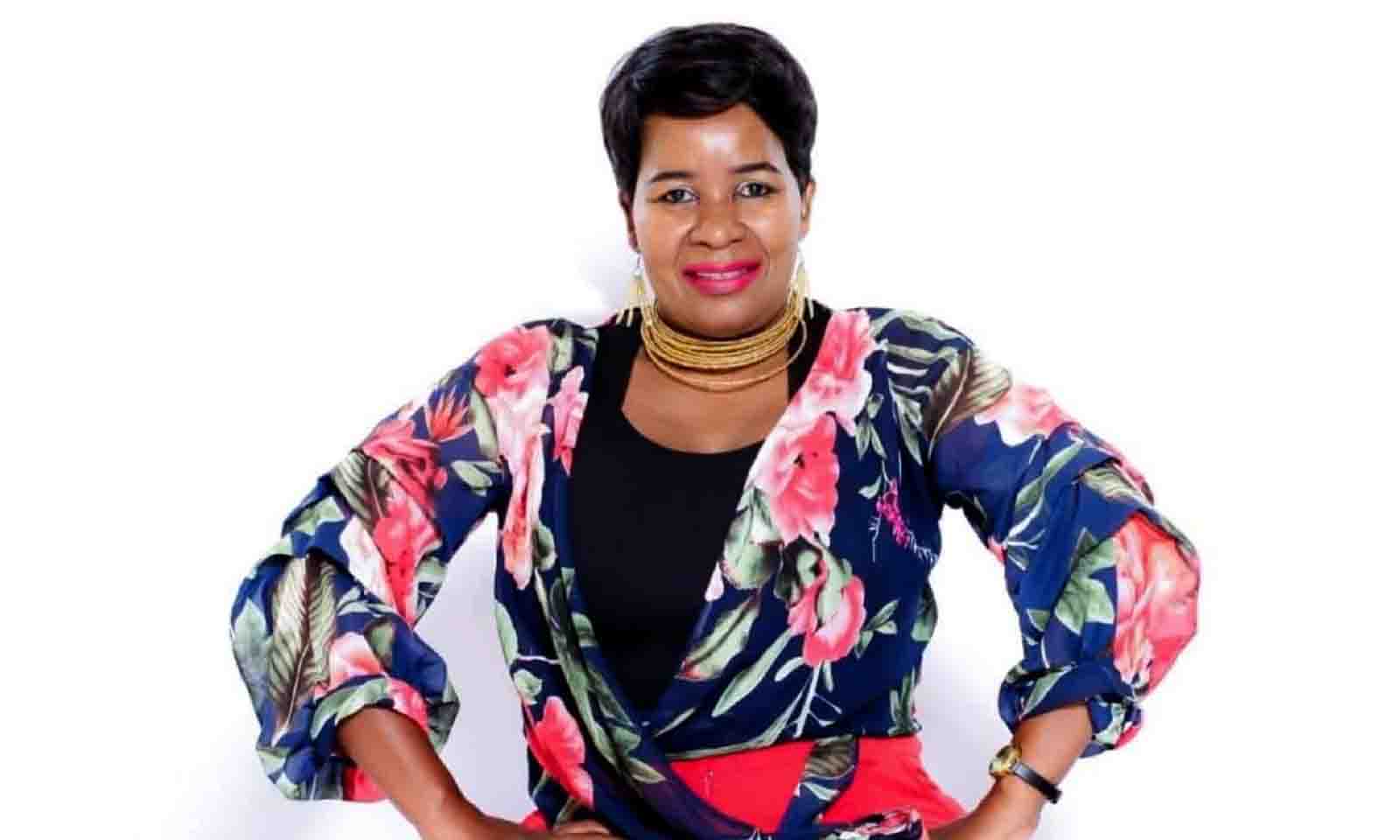
Maria Chiguvari
Zimpapers Arts and Entertainment Hub
SOUTH Africa-based gospel musician Elizabeth Manyowa has unleashed her latest single titled ‘Mhare’.
The song, which features Prophetess Dorcas Chimbari, was officially launched at Radio Panache in Johannesburg.
In an interview with Zimpapers Arts and Entertainment Hub, Manyowa said her music continues to inspire and uplift her followers with her powerful voice and meaningful lyrics.
“‘Mhare’ is a testament to my enduring talent and dedication to my craft in music.
“We must not be defined by what we go through everyday, God sees great things in our lives.
“As someone who received recognition from the Zimbabweans at the South Africa Music Awards (ZIMSA) for my collaborative version of ‘Ndauya’ with Rumbie Zvirikuzhe, I am happy the recognition has done wonders in my music career.”
The launch of ‘Mhare’ marks a significant milestone in Manyowa’s career, which has been marked by numerous collaborations and critically acclaimed albums.
Manyowa is currently working on the music video for ‘Mhare’, with a release date set to be announced soon. She has also ventured into the Amapiano genre, with a new Zulu song in the works.
This bold move is expected to further cement her position as a versatile and innovative artist.
“Currently I am working on the music video for Mhare, with the release date to be announced soon. I am also venturing into the Amapiano genre with a new Zulu song in the works.”
“The song simply explains a bible verse that says seek the Lord while you still have time. So the song is a call that comes to God,” she said.
Her marriage to Pastor Samson Meso, a South African national, has also brought joy and stability to her life.
Her singles include ‘Ndozviudza Ani,’ featuring gospel legend Ivy Kombo-Kasi, and two collaborations with former Worship House member Katlego Makanta titled ‘Uthembisile’ and ‘Ungakhali’.
She began her musical career in 1998 with her debut album ‘Tsvakai Jehova’, which gained widespread popularity on ZTV and across major Zimbabwe radio stations.
This was followed by ‘Tsvakai Rugare (2007)’, ‘Ndauya (2009)’, and ‘Namazuva Okuipa (2018)’.



 Bongani Ndlovu