Online Reporter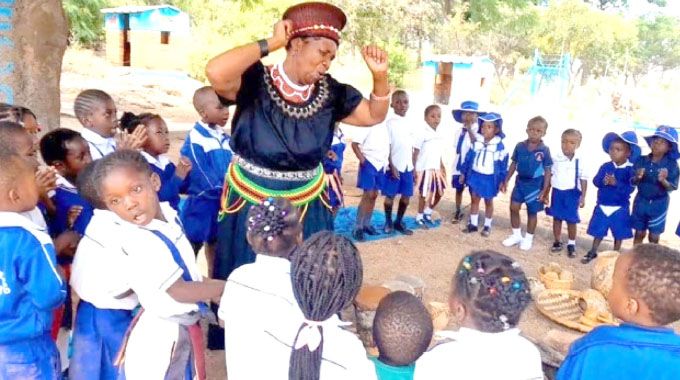
Mbulelo Mpofu recently in Tsholotsho
FOR over three decades, the name Ellen Mlangeni (née Vundla) has resonated as a powerful force in Zimbabwean arts and culture. Born in Tsholotsho in 1952, where she first nurtured her artistic spirit, Mlangeni has evolved into a true matriarch of performance — a master dancer, accomplished actress, revered storyteller, and dedicated cultural custodian whose influence stretches from rural classrooms to international film sets.
Mlangeni was born Bella but was christened “Ellen” after being baptised at the Roman Catholic Church. From a tender age, she enjoyed singing, dancing, and acting, often performing at school and church.
“I was born at Mpilo Central Hospital in Bulawayo but grew up in Tsholotsho under the tutelage of my grandmother. I had a very nomadic childhood, moving from the Gwese area to Nsezi. I attended Nhlabathi Primary School where I led the school choir to numerous triumphs.
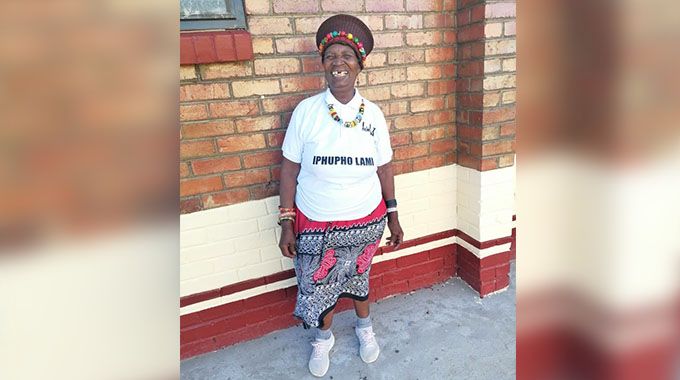
My wish was to perform before larger crowds nationally, and little did I know that one day, I would be on television,” she said.
Mlangeni’s professional journey ignited in 1982 with dance. This passion culminated in a defining moment in 1991; the founding of the trailblazing Thandanani Women’s Ensemble Cultural Dance group in Bulawayo. Fifteen women formed the group, which became renowned for its isitshikitsha and amabhiza dance routines, eventually growing into a 30-member ensemble.
As its leader, Mlangeni steered the all-female group to remarkable popularity. They became fixtures at national celebrations — Independence and Heroes Days — as well as weddings and school events, their vibrant performances captivating audiences.
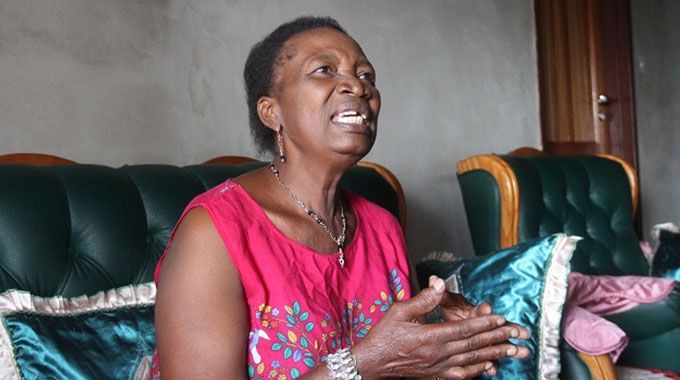
Under Mlangeni’s versatile tutelage (encompassing instruction, direction, and performance), Thandanani transcended local fame. The group proudly represented Zimbabwe on international stages, participating in cultural exchanges in Botswana, South Africa, and Eswatini (then Swaziland).
They were also formidable regulars at prestigious local competitions like the Chibuku Neshamwari Traditional Dance and Ingwebu contests, consistently flying the flag for Bulawayo province.
Crucially, Mlangeni and Thandanani became educators, actively teaching children in schools and university students, ensuring the flame of Zimbabwean traditional dance and culture was passed to younger generations.
The year 1991 proved to be an annus mirabilis for Mlangeni. Not only did she birth Thandanani, but she also stepped onto the global stage, showcasing her “rare aesthetic talent” in the Warner Bros. epic The Power of One. The film, set in apartheid-era South Africa and featuring stars like Morgan Freeman and Daniel Craig, provided a powerful platform for Zimbabwean artistry. Mlangeni’s participation was a landmark achievement.
Her acting prowess, however, was not confined to Hollywood. She became a stalwart of Zimbabwean television drama, delivering memorable performances in acclaimed local productions aired on ZBCtv.
Her credits include Ernest Ndlovu’s Isithembo, Cont Mhlanga’s Stitsha and Omunye Umngcwabo, Raisedon Baya’s Isililo and Thuba Lami, Madlela Skhobokhobo’s Madlela Come Home, and Kings Kraal.
Her artistic finesse also shone in foreign films such as Another Wedding, Road to Jacaranda, and Christopher Mabhena’s Women Can Make Better in Business.
Mlangeni told Saturday Leisure that back in the day, groups often performed for free, and as an all-female ensemble, travelling was difficult as many members were married and had to plead with their husbands for permission to attend gigs.
In 2016, she left the ensemble she had established, Thandanani Women’s Ensemble, borrowing a famous quote attributed to Kenyan lawyer and Pan-Africanist Professor Patrick Lumumba.
“It was about time. A good dancer knows when to leave the stage. I had done enough and needed to let others carry on where I left off.”
Recognition for her acting talent came formally when she scooped a gold medal for Best Supporting Actress at the prestigious Geraldine Roche Drama Competition. Her recognisable presence also extended into the corporate sphere, featuring in advertisements for brands such as Ingwebu and Econet’s “Yellow Phone.”
Never one to be limited, Mlangeni is also an accomplished traditional storyteller, folklore author, and music composer, weaving oral histories and folklore with the same passion she brings to dance. This role seamlessly blends with her enduring commitment to education.
For years, she has been a dedicated instructor, teaching traditional dances to pupils at numerous Bulawayo primary schools — including Gampu, Khumalo, Henry Low, and Mpumelelo — and extending her guidance to students at Mpopoma High School and Newton Primary School.
This dedication stems from a profound sense of purpose. Mrs Mlangeni has expressed a heartfelt desire to write down folklore in the near future.
“I want to keep the culture torch burning for posterity’s sake. We need to share the knowledge we have with those who will come after us. That is my life purpose,” she stated, highlighting her unwavering commitment to cultural preservation. This planned venture aims to solidify the oral traditions she has performed and taught, ensuring their survival for generations to come.
Today, the name Ellen Mlangeni is synonymous with the preservation of Ndebele culture, particularly as expressed through the powerful medium of dance. Her remarkable journey — from cutting her artistic teeth in Tsholotsho to leading ground-breaking ensembles, gracing international films, captivating television audiences, teaching in classrooms, and preparing to immortalise folklore — stands as a towering inspiration.
Countless young female dancers across Zimbabwe look to her accomplishments as a beacon, proof of the power and beauty inherent in their cultural heritage. As an artistic matriarch, Ellen Mlangeni continues to direct, teach, perform, and plan for the future, ensuring the vibrant tapestry of Zimbabwean culture remains not just alive, but thriving.