Chronicle Editor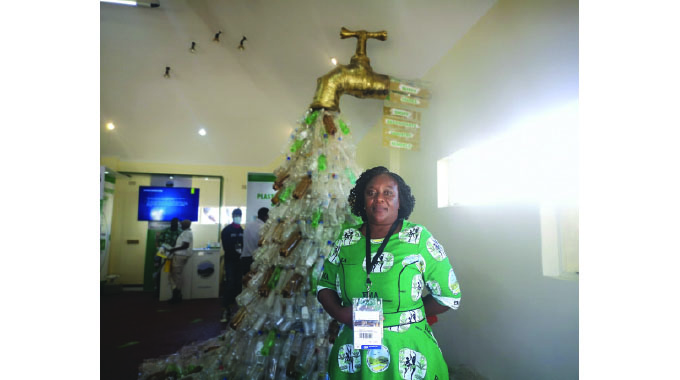
Sikhumbuzo Moyo, Senior Reporter
The Environmental Management Agency (EMA) is advocating the phasing out of single-use carrier bags as part of strategies to reduce plastic pollution.
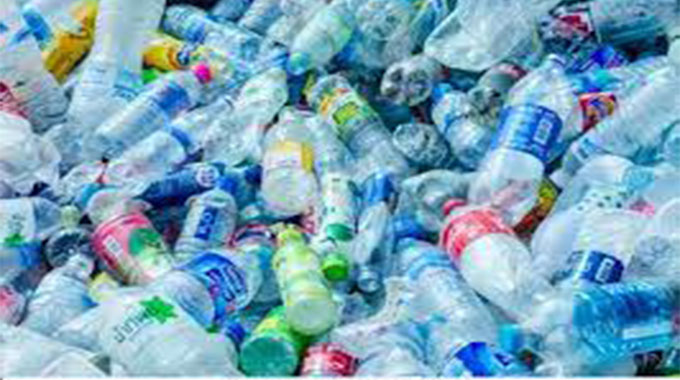
During the recently-ended Zimbabwe International Trade Fair (ZITF), EMA senior officials said the country has this year imported 394 million kg of plastic with about 40 million kg of that being recycled while the rest becomes a source of pollution.
During the United Nations Environment Programme Fifth session held in Nairobi, Kenya early this year, environment ministers from member States resolved to establish an Intergovernmental Negotiating Committee with the mandate to forge an international legally binding agreement to end plastic pollution.
In their draft resolution titled, “End of plastic pollution, Towards an international legally binding instrument”, the United Nations Environment Assembly, said it noted with concern that the high and rapidly increasing levels of plastic pollution represents a serious environmental problem on a global scale, negatively impacting the environmental, social and economic dimensions of sustainable development.
The assembly said it recognises that plastic pollution includes microplastics and that plastic pollution, in marine and other environments, can be of a transboundary nature and needs to be tackled, together with its impacts through a full life cycle approach taking into account national circumstances and capabilities.
EMA environmental education and publicity manager Ms Amukela Sidange said the agency was looking at a “soft landing” for companies that are producing plastics.
“We want a soft landing for everybody, we are advocating for phasing out of single-use carrier bags and instead have multi-use and environmentally friendly bags,” said Mrs Sidange. She expressed concern at the attitude of Zimbabweans especially those on public service vehicles who would be travelling to South Africa or Botswana.
Ms Sidange said it was amazing that while still on the Zimbabwean side, passengers haphazardly litter the environment yet they don’t do the same once across the border.
Speaking to our sister paper Sunday News, Ms Sidange revealed that plastics were now viewed as a hazardous material with farmers losing some of their cattle which would have consumed plastic while flash floods have also been attributed to the clogging of storm drains by plastic material.
“Plastics are now viewed as a hazardous substance and we are saying as the agency, we are concerned by the level of pollution in our own country,” said Mrs Sidange.
Research by EMA shows that major sources of plastic pollution include buses, homes, restaurants, industry, and schools and the agency has embarked on a close the tap campaign.
Ms Sidange said the agency has a number of advocacy programmes meant to have as many citizens as possible buying into calls to be environmentally conscience.



 Online Reporter