admin
admin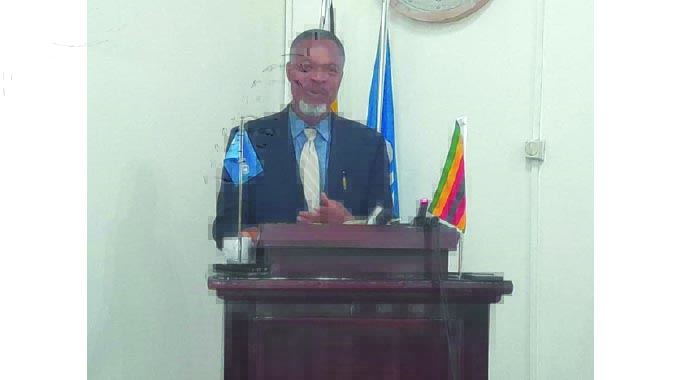
Tafara Chibanda and Runyararo Ndaramo
UNICEF country representative, Dr Nicholas Kojo Alipui, has challenged journalists to ensure that their reporting on child rights issues is based on evidence and data driven analytics.
Dr Alipui said journalists must move beyond mere statistics and embrace data analytics and research.
“The main objective is to explore how much data analytics and evidence-based work actually contributes to narratives in journalism, programming and advocacy,” he said.
“Evidence-based work and data analytics are not just add-ons; they are the basis of our narrative. Once you understand the power of evidence, you’ll see the world differently.
“UNICEF has adopted a whole agency approach to data analysis, everything that UNICEF does at the global level, in countries and in fields and in our programmes is driven by data leading to more impactful policies and a deeper understanding of children’s realities,” he said.
However, he noted that current journalistic narratives often lack a solid evidence foundation.
‘The narrative and articles journalists write are not evidence-driven.
“It is not sufficient to just add a few numbers and statistics to your write-up. Evidence-based work and data analytics should be the basis of our narrative.
“Evidence-based reporting is liberated because it allows you to escape from ideological judgments and make a real difference.
“Journalists need to be agents of change, using evidence narratives to influence policy formulation and public reaction to threats like cholera, polio, and El Nino.”



 Online Reporter